


At The Cobo Dispensary in Houston’s historic Fifth Ward, owner Ricky Bell was preparing for the worst.
The potential signing of a statewide THC ban could have wiped out his entire livelihood, one he built from the ground up after surviving a near-fatal accident and years of chronic pain.
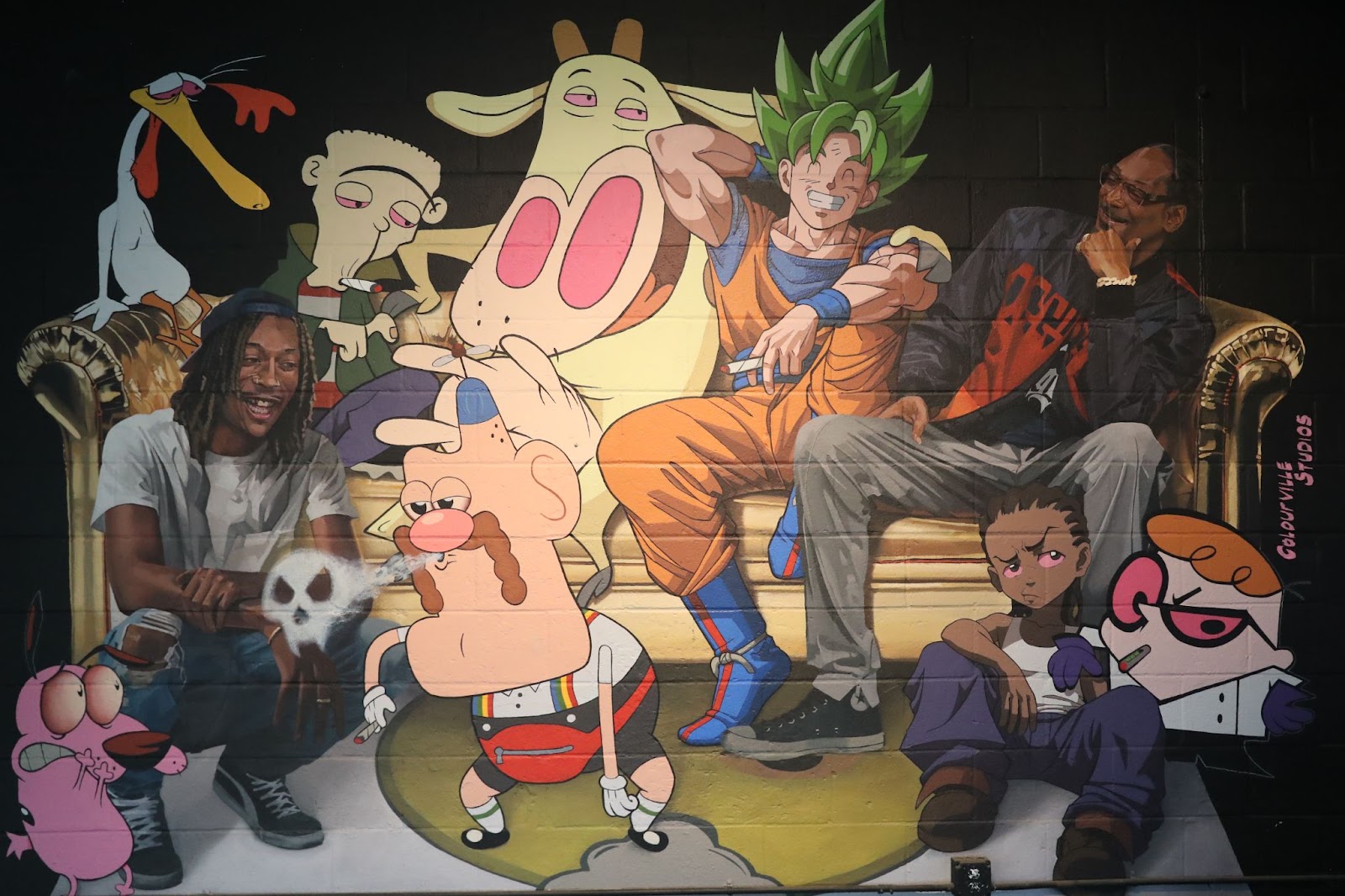
“This is my first business,” Bell said. “I put everything I had into this business. My family and friends helped me open it. I don’t have anything else to go into another business.”
Bell, who pays $10,000 a month in taxes, was worried that the Texas government would not compensate business owners like him if the bill were signed into law.
However, for now, he can breathe easy. Gov. Greg Abbott broke ranks with many Republicans and vetoed SB 3, which banned consumable hemp products containing THC, including delta-8 and delta-9, after calling a special legislative session. Instead, he asked lawmakers to regulate the substance strictly.
Abbott explained his decision in a statement, arguing that SB 3, or the state ban on THC products, would not go into effect for “valid constitutional challenges,” while acknowledging businesses “conducting business responsibly.” He pointed out the 2018 federal Farm Bill legalized hemp products, which would put the bill’s total ban “on a collision course” with state and federal law.
Lt. Gov. Dan Patrick has been one of the biggest supporters of banning THC.
“Allowing Senate Bill 3 to become law — knowing that it faces a lengthy battle that will render it dead on arrival in court — would hinder rather than help us solve the public safety issues this bill seeks to contain,” Abbott said. “The current market is dangerously under-regulated, and children are paying the price. If Senate Bill 3 is swiftly enjoined by a court, our children will be no safer than if no law was passed, and the problems will only grow.”
Bell believes this move will be beneficial for his business.
“I am very happy, very happy,” he said. “We’ll be able to grow, expand and reach more people. That’s why we weren’t really trying to do anything. I was trying to figure out what was going on with the bill and everything. I didn’t want to advertise too much or expand out anywhere else.”
Bell was one of Texas’ 7,000+ cannabis dispensary owners facing potential shutdown if SB 3 became law.
In the meantime, Bell was advocating for the cultural impacts of a THC ban, which includes providing “temporary relief in between doctor visits” for those he serves in the neighborhood.
“I’m in a predominantly Black neighborhood,” he explained. “I don’t know what portion of that goes to everybody, but I pay a lot of taxes for this area. The community really appreciates me being here…They’re coming to get some edibles, not to cure anything, but just to ease the pain.”
He can relate to his customers. After being run over by a drunk driver in 2016, he endured multiple surgeries, severe nerve damage and an opioid regimen that left him with brutal withdrawals. Eventually, he turned to THC and CBD products, which helped him manage pain and walk again. From that healing, he built The Cobo Dispensary, a Black-owned shop that now serves a base of veterans, seniors and residents seeking natural relief.
State Rep. Ron Reynolds, one of the few vocal critics of SB3, called the legislation a massive overreach.
“This is Lieutenant Governor Dan Patrick’s dream, but is most people’s nightmare,” Reynolds said. “In fact, the overwhelming majority of Texans want to free the weed. They want to go further to make marijuana legal. Cannabis reform was just a small step forward.”
Veterans and patients
Houston’s dispensary ecosystem includes dozens of businesses that have flourished under current hemp laws.
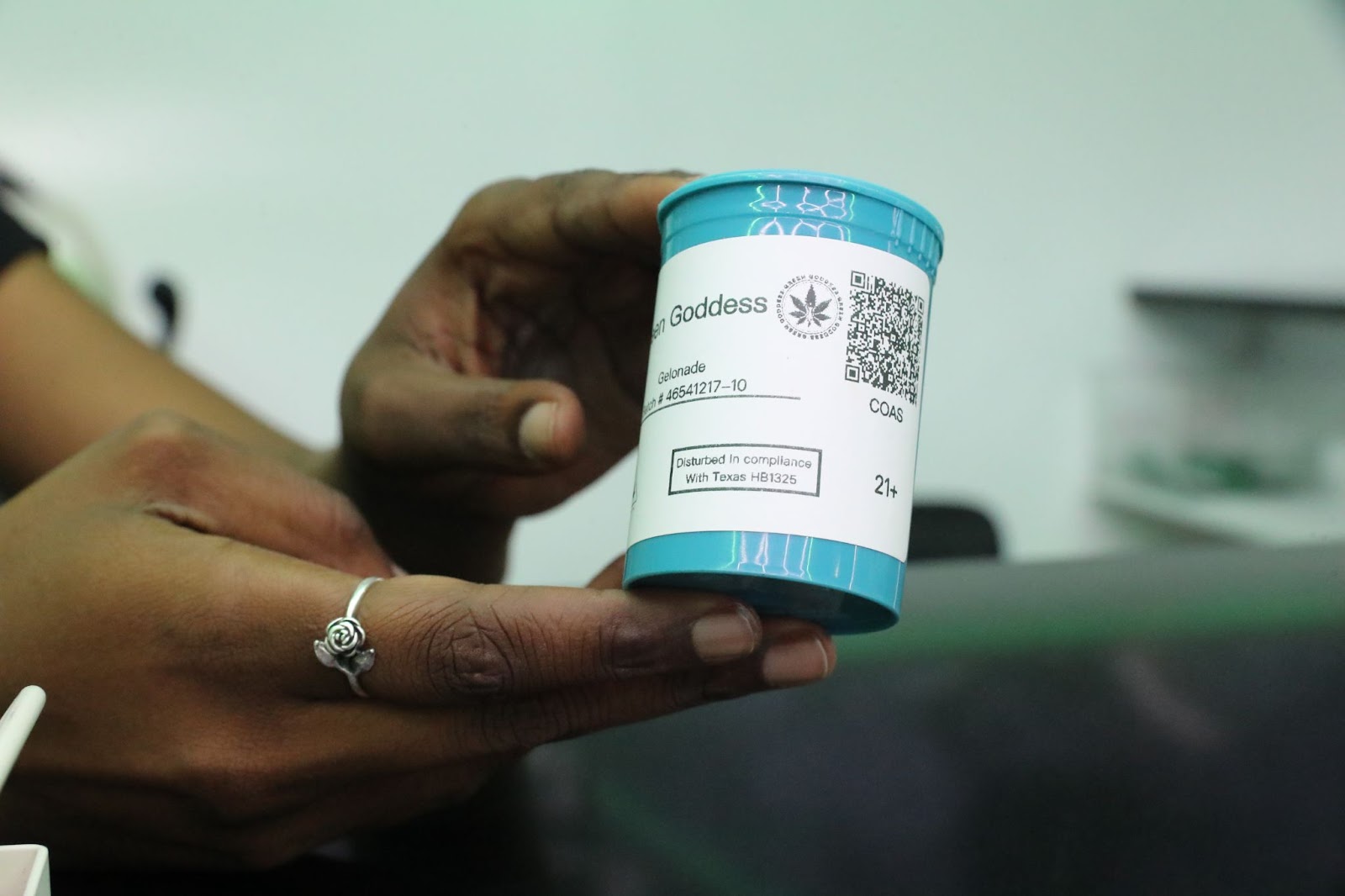
Many, like Green Goddess near Chimney Rock, function as more than a store; they provide community spaces where people shop and connect with other buyers. Manager Bre Florez, who lives with depression and anxiety, credits THC for replacing her need for Adderall and Lexapro. Her customers, from a myriad of walks of life, range in age from 21 to 80.
The store said it is “excited” about the SB 3 veto, adding their customers feel “happy” they would be able to continue their purchases.
“We are definitely a community-based company and definitely thrive on helping our community here,” said Florez. “They come in for relief…Our customer base is also military, who deal with PTSD and anxiety. I have a cancer patient who just finished her treatment. She uses THC to help her release from all the pain that she’s been through with the chemo and radiation.”
Dispensary professionals consistently cited one group most harmed by the bill: Veterans. Many rely on hemp-derived THC for managing PTSD, insomnia and chronic pain, conditions not covered under Texas’ medical marijuana program, Texas Compassionate Use Program (TCUP).
Bahama Mama CEO Greg Laird oversees operations for more than 85 dispensaries across Texas, 55 of which are in Houston. The network pays around $7 million in rent across all locations and $3 to 4 million in sales tax.
“There are definitely some stores that financially would just not make sense without hemp products,” he said. “It’s definitely a huge portion of these businesses’ revenue.”


Economic displacement
Despite the veto, industry professionals previously expressed frustration over the legislature’s looming silence. Some were concerned about not being contacted by lawmakers or asked to testify.
Laird said the lack of consultation with business owners at the Capitol reflects who lawmakers prioritize.
“We’ve reached out to them, done our own efforts, but no one has proactively reached out to us,” he said. “I don’t think a fair effort was made to include people who could have educated them. I’ve spent some time in the Capitol and had some dinners with Congress members. It was unbelievable to me that they still didn’t understand a lot of the core benefits of hemp products.”
According to Laird, stores in the Bahama Mama network operate with strict ID checks, QR-coded lab results, and transparent ingredient labeling.
“We have no interest as a retailer to cater to younger kids. We’re honestly looking for people with disposable income who will be repeat customers…definitely not these young kids that everyone keeps accusing us of wanting to sell to,” he added.
Owners are ready for regulatory standards
For Bell and many others, the economic blow from the ban would have been devastating.
“We all went in on something that was legal and legit, you follow all the rules and guidelines,” Bell said. “It is crazy because what would we have done? File for an appointment? Try to get a freaking job?”
Several owners noted that while large alcohol and tobacco companies continue to operate with minimal scrutiny, small THC retailers are being punished despite operating responsibly.
Despite their frustrations, most dispensary owners say they support tighter oversight.
“The problem is they do need to regulate because most stores are selling all kinds of crazy products,” said Jared [last name withheld], owner of The Dispensary in Houston.
Laird agreed.
“We’re fine with regulation. We’re happy to put milligram limits on drinks. We’re happy to have transparent labeling, we’re happy to have packaging requirements,” he said.
For now, business owners can breathe easy. But the future is unclear due to uncertain regulatory standards.
“Texas must enact a regulatory framework that protects public safety, aligns with federal law, has a fully funded enforcement structure, and can take effect without delay,” Abbott wrote. “Legislators could consider a structure similar to the way alcohol is regulated, with strict enforcement by an agency like the Texas Alcoholic Beverage Commission.”
A rift in the political spectrum?
Lt. Gov. Patrick was “puzzled” by Abbott’s veto of the bill banning THC. The staunch supporter of SB 3 said the governor’s decision surprised him.
“The governor and I will work together in the future and will disagree from time to time, but this is a fight that didn’t need to be,” Patrick said during a press conference. “It puzzles me why my friend Gov. Greg Abbott would, at the last minute, about 22 minutes after 11 p.m., decide to veto this bill…One can only come to this conclusion, which surprises me: the governor of the state of Texas wants to legalize recreational marijuana in Texas.”
Patrick, who has described THC-infused items as a “poison in our communities,” also criticized Abbott for maintaining “silence” on the bill during the 89th legislative session.
“This late-night veto, despite overwhelming support from legislative Republicans, law enforcement, and medical and educational professionals, as well as families who have witnessed the devastation caused by these potent substances, will leave many feeling abandoned,” Patrick stated. “My deepest sympathies go out to those who testified and shared their painful experiences. I plan to elaborate further at a press conference tomorrow in Austin.”
Political experts have theorized that the two top state leaders’ opposing views on the bill could raise questions about a possible split within the Republican party.
Bell is a prime example. Abbott’s decision to veto the bill has convinced him to vote in his favor in the next elections, and his opinion of Patrick has waned.
“He [Patrick] don’t need to be in office,” he said. “I don’t think he’s really for the people…I don’t think he really cared about the jobs and the taxes. It was all personal.”
