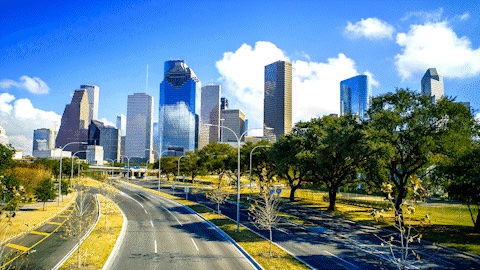


Elon Musk’s $760M flood tunnel pitch raises eyebrows
It seems Elon Musk’s Boring Company might soon be building tunnels in H-town.
Musk’s company has proposed constructing two 12-foot-wide flood mitigation tunnels under Houston’s Buffalo Bayou watershed for about $760 million, with Congressman Wesley Hunt helping steer the pitch.
Though far cheaper than the original multi-decade county-led tunnel plan –and much larger – some experts question whether the scaled-down tunnels would be adequate for major flooding events. Additional concerns include the Boring Company’s lack of relevant experience, limited public transparency and the bypassing of standard competitive bidding.
As extreme storms remain part of Houston’s future, this project proposes a novel but controversial approach to flood resilience.
Per an investigation by The Texas Newsroom and the Houston Chronicle, Musk and West have been pushing state and local officials to hire Musk’s Boring Co. to build the tunnels.
Meanwhile, Lt. Gov. Dan Patrick, whose staff met with Hunt’s team during the legislative session, is open to the plan.
It remains to be seen how the plan plays out or how Houstonians will receive it. Until then, it is imperative to follow how the negotiations take place and who supports and objects to the proposal.
Texans brace for new laws as they go into effect

On Sept. 1, Texas entered a new chapter under Gov. Greg Abbott’s sweeping agenda. The governor hails this session as “one of the most consequential in Texas history,” but Texans must pause and ask: Consequential for whom?
Abbott’s slate of laws doubles down on conservative priorities. Bills like Senate Bill 2, which establishes a billion-dollar school voucher program, promise “choice” while diverting public funds toward private education. Meanwhile, House Bill 2’s record investment in teacher pay is overshadowed by measures like SB 12, which bans diversity training and mandates rigid parental control over curriculum. These moves may appease culture-war constituencies, but critics say they risk stripping classrooms of inclusivity and autonomy.
The governor also touts new restrictions on abortion support, bail reform designed to project “tough on crime” credentials and fresh limits on “sister-city agreements between governmental entities and foreign adversaries.” At the same time, legislation addressing water infrastructure and cyber defense reflects real, long-term needs.
As these laws take effect, Texans will be watching closely. For some, they represent overdue protections and reforms. For others, they mark troubling limits on rights and freedoms. The true impact will be measured not in rhetoric, but in daily life.
Houston’s new rules push poverty out of sight, not out of existence

Houston is drawing new boundaries for life on its streets, tightening the rules on where people can exist in public.
In recent weeks, the City Council has passed two measures that reshape how pedestrians, panhandlers and people experiencing homelessness navigate public space. One bans sitting, standing or walking on narrow traffic medians, while another expands the city’s “civility ordinance” to bar sleeping or storing belongings on sidewalks in Downtown and East Downtown, now enforceable 24/7.
Fair enough. No one wants to see a pedestrian struck by a car. But it is also fair to ask if the ordinance targets the city’s most visible poor, many of whom panhandle from medians because there’s nowhere else to go.
Supporters frame these laws as common-sense safety tools. Council members backing the median ban say it could prevent tragic accidents. Mayor John Whitmire and his team argue the expanded homelessness ordinance is about outreach, not punishment, pointing to the dangers of encampments and the promise of more shelter beds. They stress that fines and arrests are rare, with most encounters aimed at connecting people to services.
Yet critics raise urgent questions. Will these ordinances simply push poverty and homelessness out of sight without addressing root causes? Council members Tiffany Thomas, Letitia Plummer and Abbie Kamin warn of unintended consequences: Criminalizing low-income residents, creating new cycles of warrants, or ignoring barriers in shelters that keep people on the streets.
Houston prides itself on being a national model for reducing homelessness. Yes, it is complicated. Many people living on Houston’s streets struggle with mental illness, addiction, or trauma. But whether these ordinances preserve that legacy, or compromise it, will depend on what follows enforcement: Sustained investment in housing, health care and human dignity.
