


Grammy-nominated, multi-platinum producer Isaac Yowman is stepping into a new creative chapter with his debut album Southern Glory, released during the East River’s Beats on the Bayou series in Houston’s historic Fifth Ward.
“The album was rooted off of a film I did in 2020 called Memory Builds the Monument,” said Yowman, referencing the NAACP Image Award-nominated documentary exploring the legacy of the Fifth Ward’s Club Matinee.
Often dubbed the “Cotton Club of the South,” the venue was a cultural mecca for Black entertainers during segregation, hosting legends like Aretha Franklin, Sam Cooke, Etta James, and Bobby “Blue” Bland.
“It was one of the only places people of color could perform back in the day,” Yowman explained. “It had a hotel attached, a food spot, everything. The guy across the street made suits for James Brown and Ray Charles. That energy, that essence, that’s where Southern Glory was planted.”
While the film was the priority at the time, music remained Yowman’s first love. Behind the scenes, he was producing original compositions to accompany the documentary, most of which audiences didn’t realize were written from scratch.
“The film’s underscore was original music. Only a couple of tracks were licensed,” Yowman shared. “I was already in that time period mentally and thought, what if I built an entire album that audibly recreated the Club Matinee experience? What if people could feel like they were actually there?”

That vision became Southern Glory, a body of work Yowman cultivated over five years, intentionally marrying history with authenticity. The album is a deep dive into the soul of Houston’s Black music heritage and a call to preserve cultural memory through sound.
“This album is for the aunties and uncles,” he said, laughing. “But it’s also for the new school. It’s about making timeless music cool again. Bruno Mars and Silk Sonic did something close, but that was more ‘80s. Southern Glory goes 20, 30 years before that.”
Intent on crafting something that transcends trends, Yowman leaned into live instrumentation, no programming, no digital shortcuts.
“It’s all real. Real musicians, real strings, real instruments,” he emphasized. “With all this AI and computer-made music, we need to overemphasize real artistry. There’s power in humanity, in those imperfections that make music feel alive.”
His collaborators, from string quartets to vocalists like Susan Carol, Spud Howard, Phill Wade and Patrice Dominique, were chosen for their talent and ability to channel that era’s essence. One standout is rising singer Madison Symphony, whom Yowman met through a Berklee exchange program while she was studying at Spelman. Her voice is featured on the album’s title track.
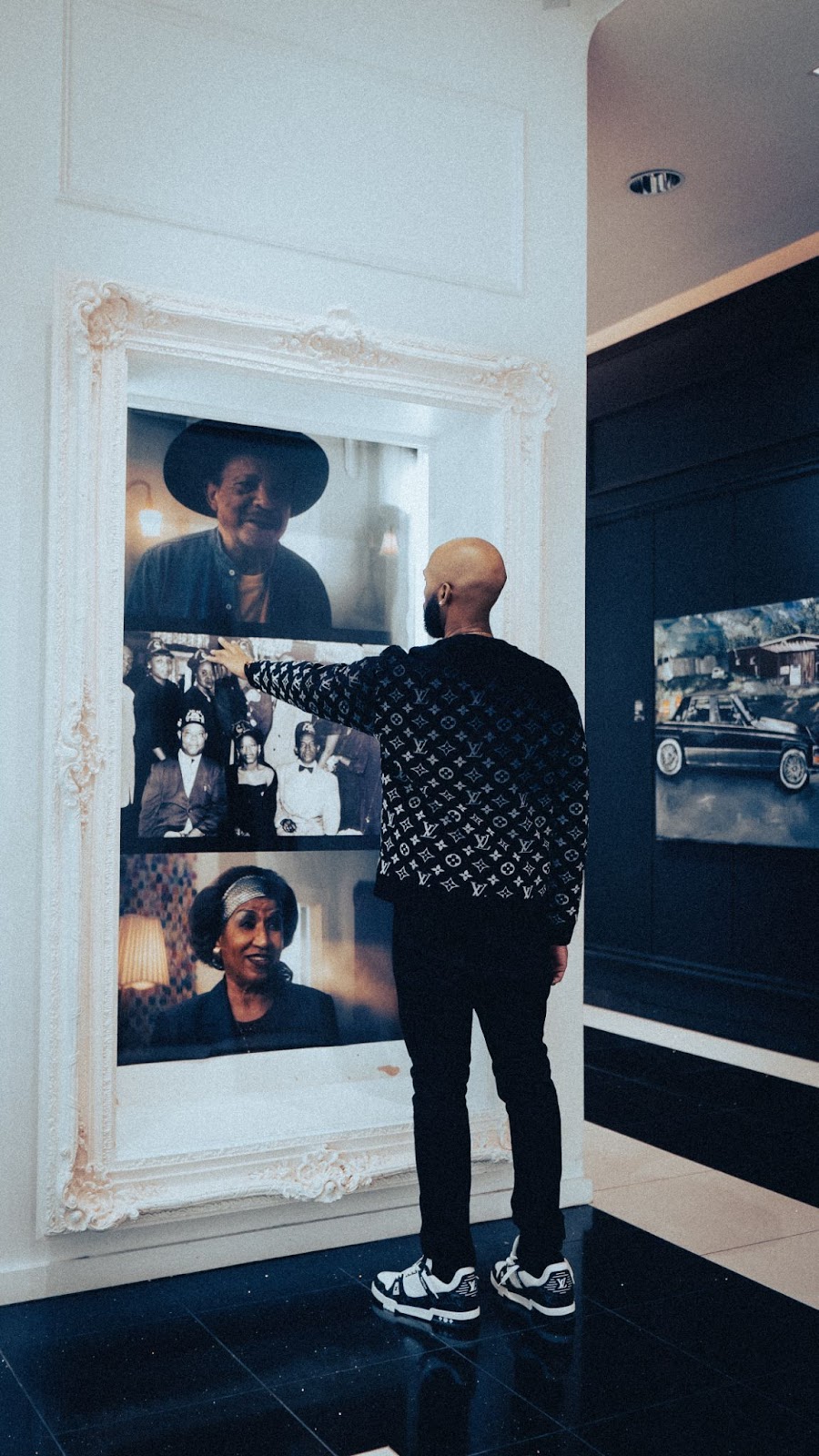
“She’s got ancestors in her voice,” he said. “I write songs with artists in mind, and when I heard her, I knew she had the soul this project needed.”
Texas-born trumpeter Amaru the Musical Nomad also lent his talents to two tracks on the album.
He recalled their early connection during Yowman’s acclaimed film Memory Builds the Monument, where they first crossed paths.
“We met when I was doing some cameos while playing live on set,” he said. “Later, he reached back out and said, ‘Hey, I’m working on this project, I need some horns.’ So I pulled up with my trumpet and marching baritone and we made it happen.”
Recording live instrumentation for Southern Glory was more than a technical contribution; it was cultural alignment.
“The term ‘Southern Glory’ felt like something I’m already a part of,” he said. “When I play, I channel the energy of Motown, Aretha, James Brown and what that era sounded like. That southern soul is natural to me. I’m always living there mentally.”
What impressed Amaru most about working with Yowman was his multidimensional vision.
“He’s got this eye for aesthetics and music, both are top tier,” said Amaru. “The way he marries the visual with how the music feels just works. As an artist myself, that’s inspiring to watch. I was proud to be part of it, even as a fly on the wall.”
Beyond the sound, Southern Glory is about community. Yowman’s goal is to uplift creatives while keeping Houston’s Black history at the forefront.
“If we don’t save and archive our history, who will?” Yowman asked. “They’re trying to erase it. So projects like this matter.”
