ATLANTA – Before the doors officially opened, the line stretched down the hallway.
Women wearing T-shirts celebrating their favorite authors compared book lists. Friends reunited after meeting online through book clubs and social media reading groups. Suitcases rolled across hotel floors – not filled with clothes, but packed tight with books destined to return home.

Inside the Black Romance Book Fest in Atlanta, thousands of readers packed panels, lined up for author signings, and eagerly filled tote bags with novels by Black writers. Hundreds traveled from Houston alone, joining readers from across the country for what has become one of the nation’s premier literary gatherings.
“It’s amazing to see so many Black women in one location. Events like these allow Black women to come together to support each other,” said Cindy, an avid reader and Houstonian who traveled to Atlanta with her daughter. “I’ve been reading since third grade. I specifically remember that’s where I fell in love with reading, and that was because of my mother, and it’s been a lifelong passion for me, and I instilled it into my daughter as well.”
Dismantling the ‘niche’ myth
For decades, a persistent myth has circulated throughout publishing that books featuring Black protagonists appeal only to niche audiences and that Black readers, particularly Black women, represent a limited market. Yet the evidence on the ground tells a wildly different story.
‘https://www.instagram.com/reel/DZBaLnOpKGU/?igsh=MXhla3RlNjlwMG1xeg==
According to data from the Pew Research Center, Black women who have attended college are among the most likely Americans to read books in any format. Market research from Nielsen IQ highlights that Black consumers display immense cultural capital and brand loyalty, driving significant growth in the entertainment and media sectors.
Black women have quietly become one of the most influential forces in American publishing, driving book sales, launching bestselling careers, sustaining independent bookstores, and creating vibrant literary communities both online and in person.
The overwhelming success of the Black Romance Book Fest serves as the latest, undeniable example.

“We know that we love stories, especially stories that center us, that center our ups and downs, our highs, our lows, our history, our current, and even our future. So, this is just such a blessing to know that there are over 3,000 women, and this is just a small segment of the sisters who love to read and love wonderful stories,” said Marcie L. Thomas, founder of the online book club Brown Girls Collective.
“This wasn’t just a conference. It was an economic engine,” said Houston attendee Mona Wilkins. “People traveled, booked hotels, bought books, attended events, and invested heavily in the authors they love. And I’m looking for even more conferences like this to attend because my friends and I love to read!”
Across the festival, readers stood in long lines to meet their favorite writers. Panels overflowed with attendees eager to discuss romance, historical fiction, fantasy, and women’s fiction. Vendors sold out of merchandise, and authors reported record-breaking sales.
“This isn’t a revolution. It’s a revelation. The industry is finally catching up to what Black women have been building for generations.”
Casey Kelly
The energy mirrored a reality that many Black readers have long understood: Black women have always been voracious readers. The publishing industry simply has not always acknowledged their influence.
A legacy of literary stewardship

Historically, Black women have sustained entire literary categories. Long before social media existed, they built communities around books through church groups, sororities, neighborhood reading circles, and local book clubs. They championed authors through fierce word-of-mouth recommendations and organized grassroots events that connected readers directly with writers.
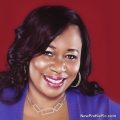
“Black women didn’t wait for the industry to validate Black stories. We became the infrastructure. The first literary societies, what we now call book clubs, the Facebook reading communities with more than 400,000 Black women readers, the group chats, and the word-of-mouth recommendations. We were the market before the market admitted we existed,” said book influencer Casey Kelly, founder of Kinfolk Lit.

Today, that impact spans multiple genres. Black women have fueled the explosive growth of contemporary women’s fiction, romance, Christian fiction, memoirs, and historical fiction. They have supported authors through multiple book releases, transforming promising writers into household names.
Now, modern technology has exponentially expanded that historic influence.
Platforms such as BookTok, Bookstagram, and YouTube’s BookTube have given readers unprecedented power to shape literary trends. A single recommendation from a trusted content creator or book influencer can send a title soaring up bestseller lists almost overnight. Black women are among the most active, engaged participants in those digital spaces. Through reading challenges, virtual book clubs, livestream discussions, and reader-generated reviews, they create a cultural momentum that traditional marketing campaigns often struggle to match.
The economic reality
Publishers are finally beginning to pay attention. The explosive growth of Black-centered literary events has demonstrated that readers are willing to travel, spend money, and build communities around stories that reflect their experiences.
That spending power extends far beyond the final page. Literary tourism has become a booming sector of the economy:
- Travel & Hospitality: Attendees purchase airline tickets, reserve hotel rooms, and dine at local restaurants.
- Small Business Support: Festivals boost independent bookstores and local minority-owned vendors.
- Industry Jobs: High author sales allow writers to hire assistants, publicists, graphic designers, and editors.

“Black book events are popping up everywhere,” says Gwen Richardson, Co-Founder and National Coordinator of the Houston-based National Black Book Festival, which celebrates its 19th anniversary in October. “That would not be happening if the readers weren’t there to support them.”
Richardson, author of the upcoming book How to Plan a Book Event Without Losing Your Mind (Or Going Broke), attributes the surge in book events to the boom in self-publishing and its accessibility.
“Authors with stories to tell no longer have to wait for validation from large publishing houses,” she added. “They can create stories, release their books within a short time frame, and find a national audience–all without leaving home. Publishers are missing out on a huge, untapped market which spans generations. A lot of the market growth is coming from readers in their 20s and 30s.”
The lesson for corporate publishers is straightforward: Representation is not charity. It is good business.
“Readers consistently support stories that reflect the complexity, beauty, challenges, and joy of Black life,” Wilkins added. “They are proving daily that there is a massive, highly lucrative audience for books written by and about Black people.”
“The question is no longer whether Black women read. The question is how much longer the publishing industry can afford to underestimate them. This isn’t a revolution. It’s a revelation. The industry is finally catching up to what Black women have been building for generations,” Kelly added.