


Traditionally, Black people have been guarded in having open and honest conversations about money and finances with friends and associates.
“Guarded” is a nice way of saying we go out of our way to keep our financial business to ourselves.
That includes remaining silent on those issues even within the family. Over the decades, it has been the exception rather than the rule when Black parents sit down and have open and honest conversations about the family’s financial situation, strategies for accumulating wealth, whether they believe money to be an end-game in and of itself or rather a tool to be used for grander endeavors.
Bottom line, Black kids are growing up financially illiterate. And as they mature biologically, emotionally and intellectually, these now-Black adults grow up to experience the harsh realities faced by those who know little or nothing about financial matters.

“We have failed greatly in preparing our youth to understand money, to be able to manage money, to use money as an advantage and as a leverage,” said the late Dr. Rodrick “Rick” Wallace, entrepreneur and author of 22 books, including The Mis-Education of Black Youth in America. “We haven’t taught them the basic financial principles that are going to govern how they move.”
In Houston, however, several entities seek to change that dynamic by teaching Black children, teens and young adults the financial lingo and habits they will need to balance their budgets, maximize their investments and accrue interest and wealth in the days and years to come.
Habits and strategies
Building financial literacy in Black children is vital for economic empowerment and generational wealth. This involves a comprehensive approach that blends core financial principles with an understanding of historical context.
Start Early and Make it Interactive: Begin financial conversations early and consistently, adapting them to age. For instance, teach preschoolers about needs versus wants, while elementary children learn about saving. Engage them with tools like “Spend, Save, Share” jars, tie allowances to chores, and encourage “kidpreneurship” through small ventures. Games like Monopoly also make learning fun and tangible.
Address History and Build Wealth: It’s crucial to discuss the racial wealth gap and explain historical barriers like redlining. This helps children understand why financial literacy is so critical for their community’s economic empowerment. Emphasize building generational wealth through homeownership, long-term investing, and supporting Black-owned businesses.
Smart Spending and Debt Management: Teach the difference between needs and wants, encourage delayed gratification, and for teens, explain how credit works and the dangers of high-interest debt. Equip them to recognize and avoid predatory financial practices.
By leading by example, sharing personal financial stories, and utilizing available resources, families can empower Black children with the knowledge and habits needed for a financially secure future.
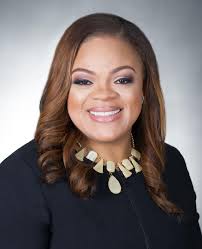
“Financial success starts with good habits,” said Unity National Bank’s Sr. Vice President of Lending and CRA Officer, Sherifat Lawal Price. “At Unity, we encourage teaching young people to save regularly, even small amounts add up over time; track their spending and be aware of where money goes.
“Set goals. Whether short-term or long-term, goals help build discipline. Also, spend wisely. Learn to tell the difference between needs and wants.”
Lawal Price also emphasized using credit responsibly, remembering to always pay bills on time, avoid unnecessary debt and ask questions.
“Don’t be afraid to learn more and seek guidance,” she added.
Lingo
Fostering financial literacy in Black children requires a tailored approach, one that not only introduces core financial concepts but also addresses the historical and systemic factors contributing to wealth disparities. This comprehensive education empowers them to navigate the financial world and build lasting prosperity.
Fundamental concepts include earning money through work or entrepreneurship, and saving for future goals in accounts like an emergency fund. Understanding spending involves differentiating between “needs” and “wants” and creating a budget, a cornerstone of financial management.
Investing is crucial for future growth. Children should learn about compound interest, illustrating the power of early investment and basic concepts like the stock market and diversification to manage risk.
Understanding borrowing and debt is equally important. This includes concepts like credit scores, which impact future loans for homes or cars, and distinguishing between “good” debt (e.g., education) and “bad” debt (e.g., high-interest credit cards). Familiarity with banks, taxes and assets rounds out their foundational knowledge.
Beyond these universals, specific concepts are vital for Black children. Generational wealth—assets and knowledge passed down—is paramount given historical barriers. Discussions should cover homeownership, estate planning, and open family financial conversations.
Entrepreneurship is a powerful tool for direct wealth creation, especially in communities facing systemic economic disadvantages. Critically, educating about financial redlining and systemic discrimination provides context for past challenges and emphasizes the importance of financial literacy as a tool for empowerment. Teaching them to identify trustworthy financial information and the importance of community investing by supporting Black-owned businesses further strengthens their economic acumen.
Key teaching strategies include starting early, using relatable examples, interactive tools and sharing real-life stories from Black entrepreneurs and investors. By providing a culturally relevant framework, we can equip Black children to build personal wealth and contribute to the economic well-being of their communities.
Local resources
The Greater Houston area offers several excellent youth-focused financial literacy programs, often through non-profits, community colleges, and city initiatives. Here are some key programs and organizations:

Junior Achievement of Southeast Texas
713-682-4500
Hire Houston Youth – Financial Literacy
281-564-5252
United Way THRIVE (Greater Houston)
713-685-2300

YMCA of Greater Houston – Community-Based Opportunity Centers
713-659-5566
ymcahouston.org/community-based-opportunity-centers

H*YES (Houston Youth Empowerment through STEM)
832-259-7846
My Brother’s Keeper (MBK) – Financial Literacy Program
281-498-9933
