On social media, the “soft life” sparkles: silk robes, spontaneous travel, designer bags and captioned affirmations about rest, femininity and abundance. For many Black women—especially millennials and Gen Z—this aesthetic is more than a trend. It’s a declaration. A much-needed rebuttal to the “strong Black woman” script that glorified grind and minimized burnout.
But behind the glow of luxury candles and champagne brunches lies a quieter, more sobering truth: many are financing this life with credit card debt, BNPL (Buy Now, Pay Later) plans and loans. The price of aspirational living is often long-term financial instability—and for some, deep emotional exhaustion.
The allure of luxury
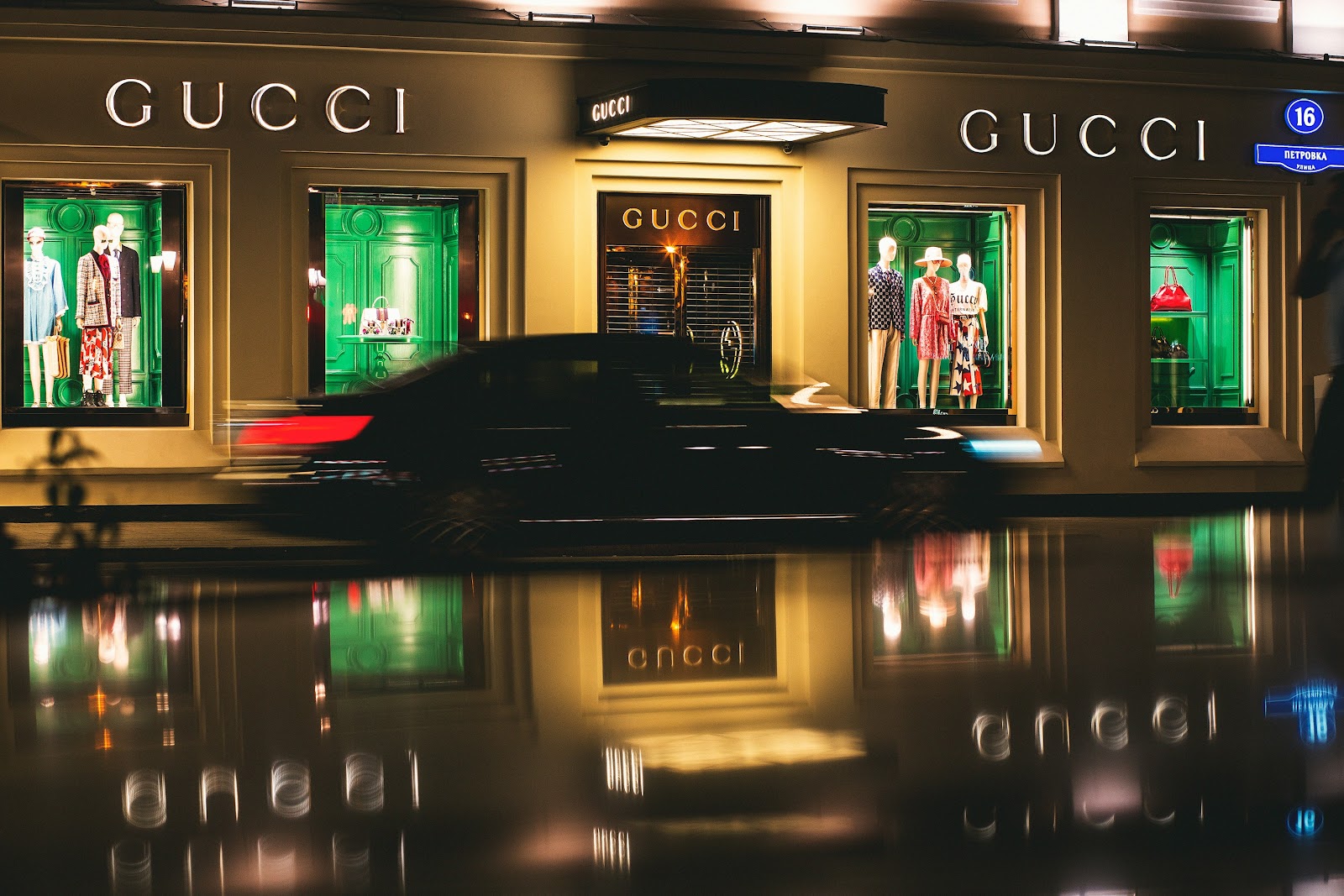
The “soft life” movement exploded during and after the pandemic. At its heart, it’s a cultural shift: a desire to reclaim rest, indulgence and joy after generations of hustle with little payoff. For Black women, it’s also a form of resistance—choosing pleasure in a world that so often denies it.
“The soft life felt like freedom,” said Maya Williams, a 28-year-old communications professional in Houston. “No more overworking to prove my worth. I was buying flowers for myself, booking staycations, treating every weekend like a celebration. But it came at a cost.”
That cost: nearly $12,000 in credit card debt, much of it tied to beauty appointments, luxury skincare and travel she couldn’t truly afford.
The pressure to perform wealth
Social media doesn’t just promote lifestyle—it demands it. Instagram and TikTok are overflowing with curated versions of “Black luxury,” where success must also look successful. Designer shoes. Perfect makeup. Brunch with bottomless mimosas at five-star hotels.
Dr. Joy Harden Bradford, psychologist and host of Therapy for Black Girls, says this visibility creates pressure that goes deeper than aesthetics.
“There’s a double bind,” she explains. “Black women are expected to outperform to be taken seriously—and when they do, they’re expected to show it. That performance of success becomes a way to assert worth in a world that often questions it.”
Dr. Bradford says that in some cases, luxury spending can mask deeper emotional needs: loneliness, imposter syndrome, or a sense of inadequacy.
“Buying gives us a dopamine hit. It says, ‘I’m doing okay.’ But that’s not the same as healing.”
The financial fallout
The numbers tell a sobering story:
- Black women carry more student loan debt than any other group—averaging over $37,000, according to the Education Data Initiative.
- Credit card debt is rising fastest among millennials and Gen Z, especially those using BNPL platforms like Klarna or Afterpay.
- Only 23% of Black women have three months’ worth of emergency savings, per a 2022 TIAA report.
“We’re often the breadwinners in our families, yet we’re also the ones most targeted by aspirational marketing,” said financial educator Tiffany “The Budgetnista” Aliche. “It creates a cycle where we’re spending to ‘feel’ secure instead of being secure.”
Aliche warns of “lifestyle inflation”—when income rises and so do expenses, leaving nothing for savings, investing, or retirement. “You start making $70K, $90K, $100K, but your account still says broke. That’s not wealth. That’s a trap.”
A new definition of luxury

For Houston-based financial coach Renee Taylor, the shift came after a breakdown. “I looked amazing on Instagram, but I had $18 in my checking account,” she recalled. “That’s when I decided peace is the new luxury.”
Taylor now helps Black women redefine wealth as freedom, not flexing. Her clients work on budgeting, building emergency funds and exploring what actually brings them joy—often finding that it’s time, health, or community.
Aliche agrees. “Luxury doesn’t have to mean labels. It can be not stressing when your car breaks down. It’s sleeping at night without money anxiety.”
Even some social media influencers are shifting course. Kayla Simone, who once posted daily OOTDs featuring luxury brands, now documents her journey to financial recovery and intentional living.
“I was scared to be honest,” she said. “But the response was incredible. So many women messaged me saying, ‘Thank you. I felt alone in this.’”
Tips for thriving without debt
If you’re ready to live well and build wealth, here’s where to start:
- Create a realistic budget: Use tools like Mint, YNAB, or even a good old spreadsheet. Track everything.
- Build an emergency fund: Start small—$500, then $1,000. Aim for 3–6 months of expenses.
- Pause before you purchase: Ask: is this an emotional buy? Will it matter in a week?
- Prioritize long-term goals: Retirement, investing, paying off high-interest debt.
- Unfollow or mute: If luxury content makes you feel less-than, detox your feed.
- Talk to a therapist or coach: Money is emotional. You don’t have to sort it alone.