


A second Trump administration is just months away from retaking the White House. Additionally, MAGA Republicans control all three branches of the U.S. Federal Government. The result: many parents worry about life for Black college students.
When asked about how they saw life for Black collegians in 2025 some parents were still looking for answers. Others were clearer on what they saw coming.
“That’s a good question. Honestly, I don’t know. I don’t know that a lot of people know,” said Kali Moore, a father of a child preparing to enter college soon. I think it is an environment of uncertainty for us and for our children in the future.”
Moore believes parents will be required to do a lot of heavy lifting when it comes to supporting their children.
“We will have to teach our children, guide our children, to help our children how to navigate through that uncertainty. How to answer some of the questions that will come up. Try to anticipate some of the questions that’ll come up, and keep them focused on being successful and trying to find resources and support that will be available to them to help them be successful.
“And we don’t know what that looks like right now. And I think that’s one of the things that, as a parent, is a little unsettling,” added Moore.
HBCU vs PWI IMPACT

Latasha Mills has two daughters, a Tulane University freshman and another two years away from entering college. She believes the Trump administration will impact Historically Black Colleges and Universities (HBCUs) differently than Predominantly White Institutions (PWIs).
“I think there will be a substantial increase in applications for HBCUs,” said Mills. “The only big issue for non-HBCU schools is that the public funding for the public schools that comes from the federal government that they want to take away.
“So that’s going to take away Pell Grants, loans, all the help that low-income, minority students need.”
For this reason, she believes Black college-bound high schoolers are seriously considering attending HBCUs, like her youngest daughter, who, according to her mother, “wants to be a Spelman girl.”
LESSER QUALITY INSTRUCTION
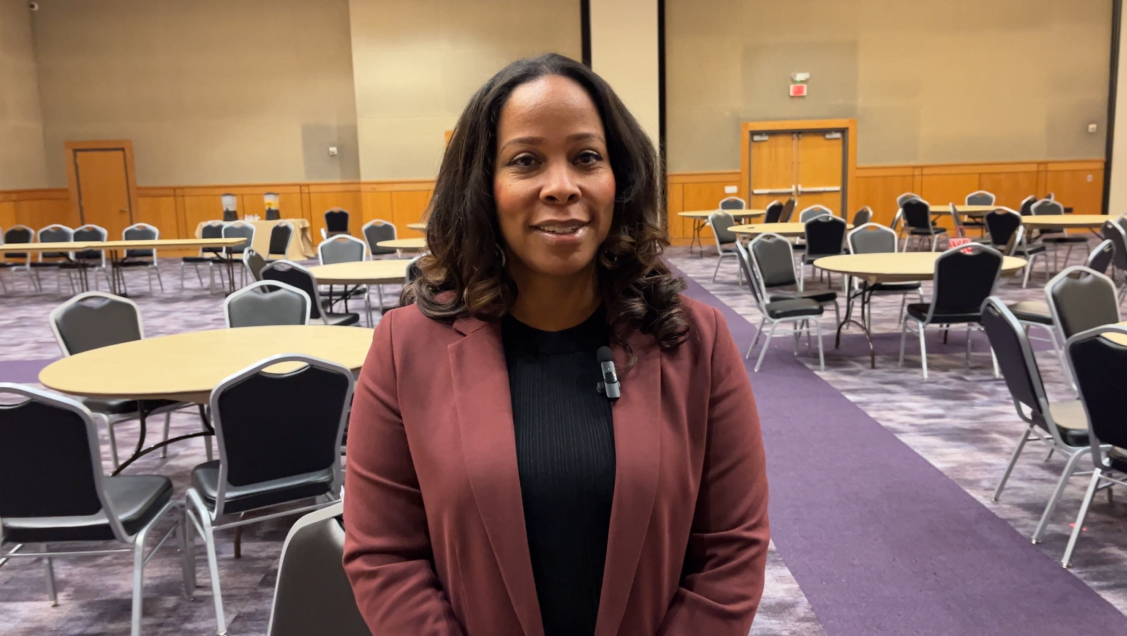
Tiffany Smith-Walker occupies the unique position of being able to see this issue from multiple angles.
She is not only a college professor (teaching nursing school), she has a son in college at Prairie View A&M University and another (15 years old) headed there in a few years.
“I think that the college life and experience is going to be more difficult and challenging in many ways,” shared Smith-Walker. “If the experience was not difficult enough for the students going in after COVID, we’re about to learn a lot more. Specifically, I think that they’re going to have to work harder to achieve the grades they need because I believe that the realm of instructors will change in terms of what they look like and the expertise that they bring to the university.”
THE FUTURE IS NOW
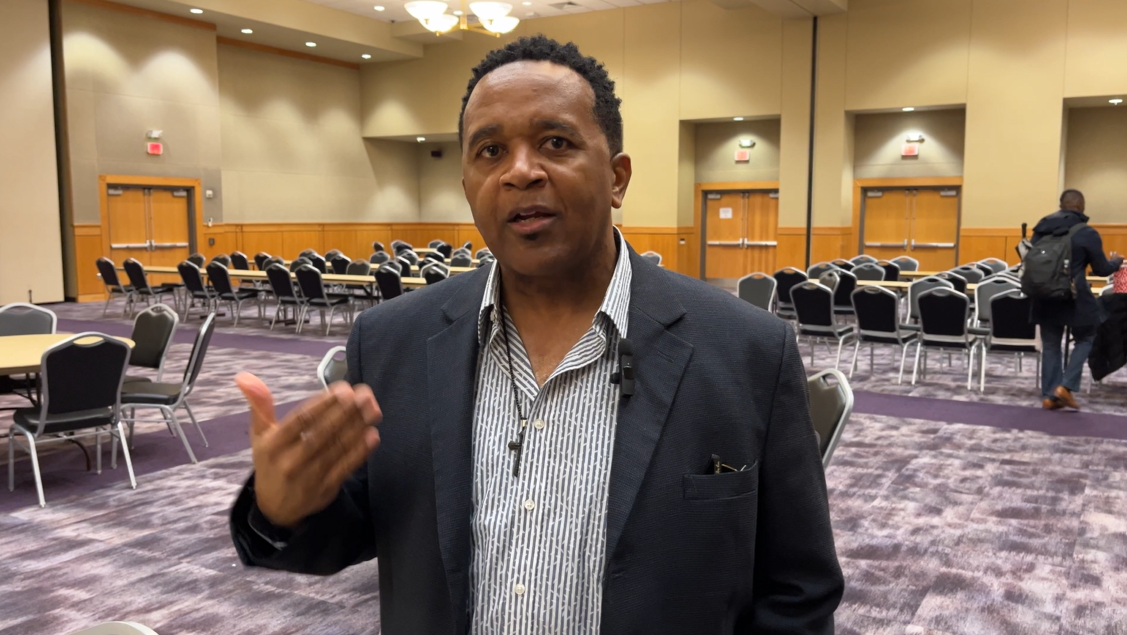
Entrepreneur Timothy Butts says his youngest son, a current grad school student, is already seeing signs of things to come on college campuses.
“The feedback from my son is one where persons that were somewhat subdued in their thoughts in terms of the political climate, once the election was complete, he saw a lot of people laughing, smacking each other on the back and that type of thing,” said Butts. “He was kind of surprised because some people, frankly, weren’t showing outwardly what they were supporting. But after the fact, he saw some people, I call them closet conservatives, coming out somewhat hostile.”
Butts believes one way Black college students can protect themselves is to possess a strong sense of self-worth.
“It’s vital that students know who they are, that they know the background as to what their beliefs are, their values, why they’re in school, what they’re trying to achieve. That way, they don’t get distracted. That way, they can make an impact in the appropriate way and make an impact that will actually be meaningful,” he added.
But parents aren’t the only ones worried about what Black students will face come the Spring 2025 semester.
College administrators and elected officials, too, fear a much less supportive and even threatening university experience for Black students.
DEFUNDED HBCUs
“A raceless, colorblind approach to dismantling racism is guaranteed to fail Black students,” Arne Duncan, former U.S. education secretary under the Obama administration and current Howard University Board of Trustee, told TheGrio. Duncan fears funding for HBCUs will be cut drastically under the new Trump administration.
Duncan’s fear is based in the position of Steve Bannon, one of Trump’s close advisors during his first term in office.
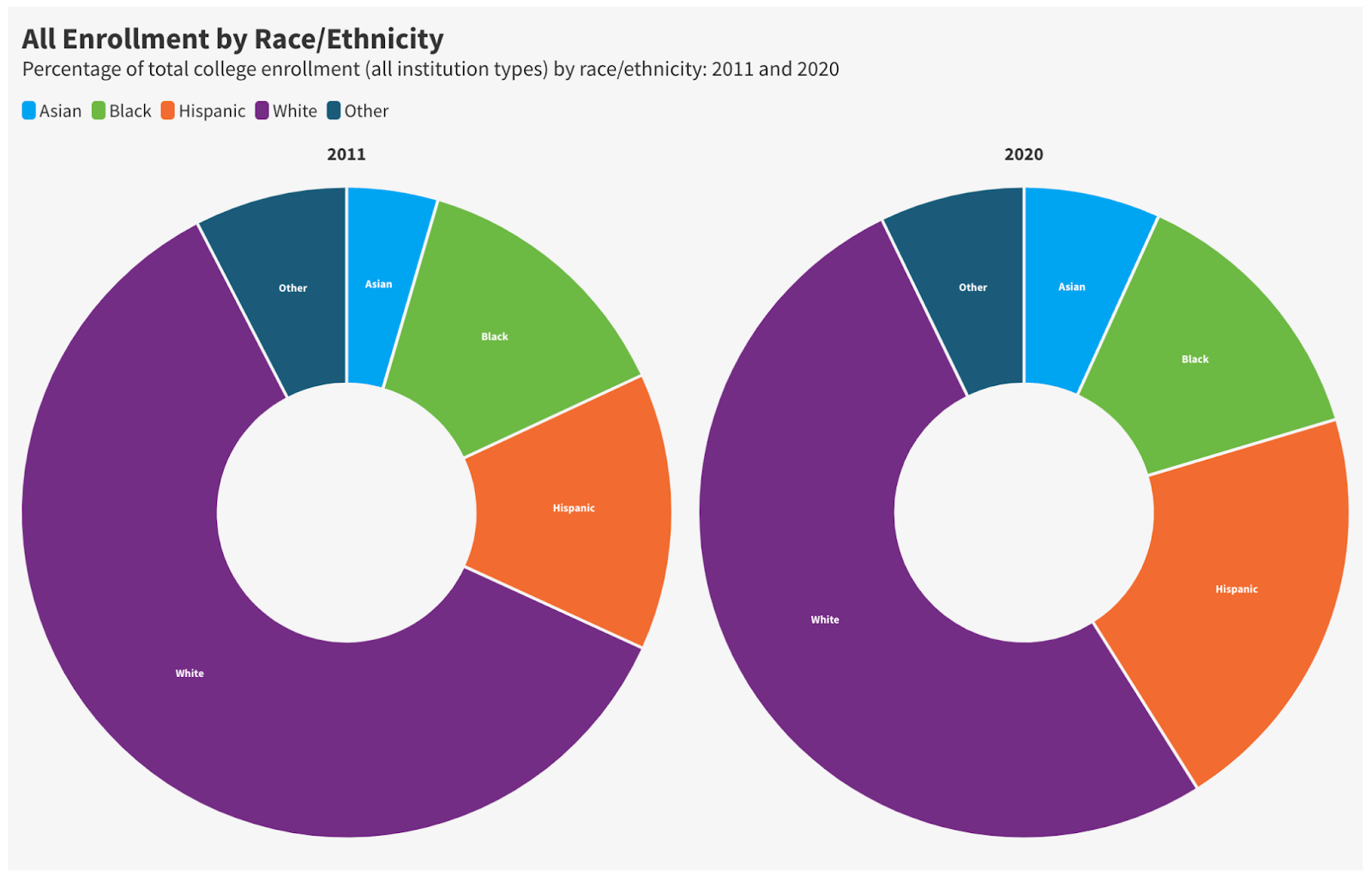
Bannon argued that increasing HBCU funding would be unconstitutional, based on concerns that doing so discriminated against other races and ethnicities, namely white people. To this point, after his Nov. 5 election victory Trump declared he was giving reparations to whites by penalizing colleges and universities that consider DEI in their operations and teach any version of history not approved by him.
expressed concern over funding for HBCUs during a second Trump administration.
CAMPUS VIOLENCE UPTICK
Shaun Harper, a University of Southern California professor, possesses a more dire view of coming days.
“One day after Donald Trump was re-elected president of the United States, Black students across the country received racist text messages. This same thing happened within 10 days following the 2016 presidential election: Black freshmen at the University of Pennsylvania (Penn) received messages via GroupMe with threats of being lynched,” Harper wrote in an article for “Inside Higher Ed.”
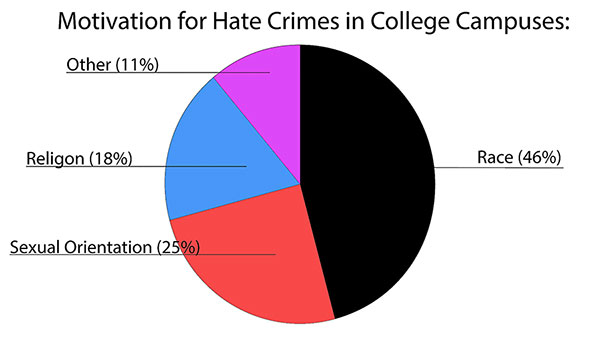
Harper was a professor at Penn when that lynching threat was sent out.
“That it happened again—this time on a larger national scale—is one indicator of what is likely to ensue on college and university campuses over the next four years. As I insisted at Penn eight years ago, I maintain now that Black students must be protected from anti-Blackness and other encounters with racism,” he added.
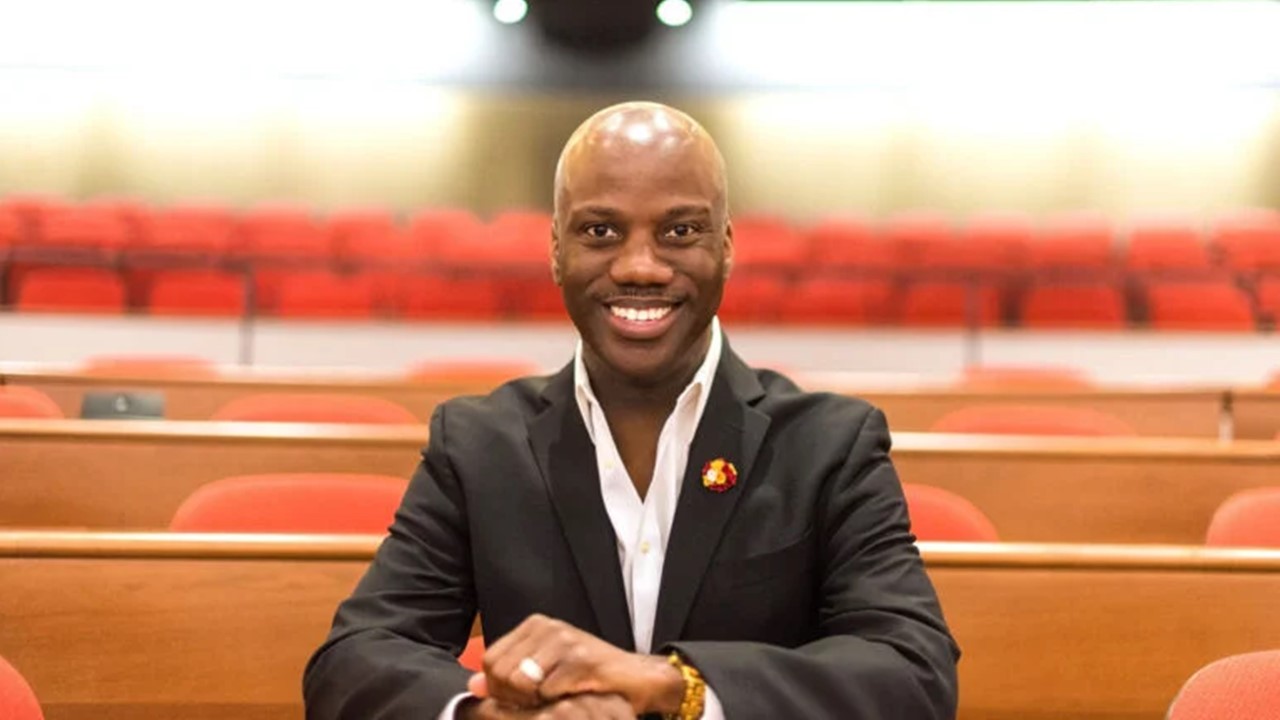
Harper calls on university administrators nationwide to be proactive in setting up protections and support for Black students and others who may face increased discrimination and attacks. He contends that waiting for violent outbreaks will not only place lives at risk but also set up a generation of young people to experience lasting trauma.

He also believes the reversal of Biden-Harris Title IX legislative progress is coming under Trump 2.0.
“[This] will be especially harmful to women, including Black women collegians. Also, Black trans and genderqueer students (including, but not limited to, athletes) will be among those whom transphobic rhetoric and policies harm. Noteworthy is that Black trans women are murdered at the highest rates among transgender Americans; the absence of federal protections on college campuses will place their lives at greater risk.
