Houston is sinking — and fast
A new study has confirmed what many Houstonians already suspected: Our city is literally sinking, faster than any other major U.S. city. Researchers using six years of satellite data found that over 40% of Houston’s land is subsiding more than five millimeters per year — and 12% is sinking at double that rate. The culprit? Decades of groundwater and oil extraction created underground voids that collapse over time. Lead researcher Leonard Ohenhen explained it like this: Imagine a soaked sponge. Once you squeeze the water out, it becomes soft and collapsible. That’s Houston’s ground right now; even stopping extraction won’t stop the sinking. This is sobering news for a city already dealing with flooding and climate stress. The question is: what are we doing to prepare?
Video shows Texas nonprofit leader falsely accused of shoplifting
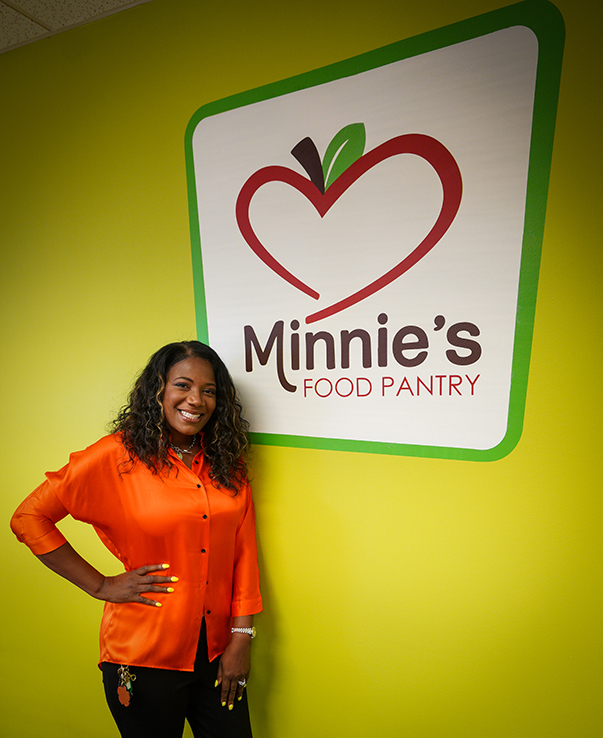
Talk about heartbreaking. Dr. Cheryl Jackson, founder of Minnie’s Food Pantry, was blindsided last week when she was falsely accused of shoplifting at a Dillard’s store in Fairview. Jackson had gone shopping on May 5 to honor a personal tradition: Each year, she buys butterfly earrings to remember her on the anniversary of her mother’s passing. But this time, the trip turned sour when a Dillard’s employee and store police officer stopped her as she was leaving, demanding she hand over earrings they claimed she stole.
Jackson, a well-known and respected community figure, immediately went live on social media, documenting the 13-minute confrontation. She repeatedly explained that she put the earrings back and was carrying only her keys. Despite Dillard’s issuing a statement saying they’ve apologized and are investigating, Jackson says no one from the store has directly followed up with her.
For Jackson, this wasn’t just about a misunderstanding — it was about her name, her reputatio, and the deep personal pain of being accused in a space she trusted. As her attorney, Daryl Washington, put it, “This is not Black vs. white. This is right vs. wrong.”
Here’s my take: This incident is yet another reminder that no amount of community leadership, public respect or good intentions can shield Black people from the sting of false assumptions. It’s a reminder to all of us to stay aware, to hold businesses accountable and to remember that “I’m sorry” doesn’t always fix the damage done.
The closest we’ll ever get to a Black pope?

As the world celebrates Pope Leo XIV — the first American-born pope — there’s an unexpected twist to his story: His family tree traces back to Black and Creole communities in Louisiana. Born Robert Francis Prevost, Leo’s maternal side includes ancestors listed in 1840s New Orleans records as “free people of color.” Over time, his family transitioned into a white identity after moving to Chicago. As a lifelong Baptist (and someone whose only Pope reference is Papa Pope from Scandal), I admit I don’t really “get” the Catholic reverence. But listen: I’m rooting for everybody Black (not you, MAGA folks). So hat’s off to Pope Leo XIV — even if it’s only by a thread.
Black woman statue shakes up Times Square
The Black Woman Statue In Times Square Puts Truth On Display—Some Of Y’all Can’t Handle It https://t.co/m69azXdrQm
— Unbothered (@r29unbothered) May 14, 2025
Times Square is known for spectacle, but a new 12-foot bronze statue of a Black woman is causing a different kind of stir. Created by artist Thomas J. Price, the piece challenges traditional ideas of who gets honored in public spaces. The figure, wearing simple clothes, braids and a neutral expression, stands powerfully amid the chaos, part of a series called Grounded in the Stars. While MAGA corners of the internet are losing their minds, hurling racist insults and mocking the statue’s appearance, visitors on the ground have responded with something much deeper: reflection. As one plus-size Black woman put it, “I wonder what me as a small child would’ve thought looking at something like that — representation.” The piece will be on display through June 17, and honestly, I hope it sparks even more conversation about who we see — and who we value — in public art.