


Gun violence is tearing through Houston’s Black communities with devastating impact, claiming young lives, shattering families and leaving neighborhoods in a state of collective trauma.
But now, in addition to the grief, there’s another, more haunting consequence: Numbness.
From Third Ward to Missouri City, families are mourning sons, nephews and classmates lost to bullets. The pain is sharp, but so is the growing sense that, for many, this crisis has become commonplace.

“We’ve been going to candlelight vigils for so long, they feel like a routine,” said Tanisha Brooks, a mother of three and longtime Sunnyside resident. “We cry, we pray, we light candles—and then it happens all over again.”
Across the country, statistics confirm what many in Houston already know: young Black men are dying at epidemic rates. And many feel like their deaths are met with silence.
By the numbers
- Gun violence is the leading cause of death for Black males ages 15 to 34.
- Black men ages 18 to 24 are nearly 23 times more likely to die by firearm homicide than their white peers.
- Although Black Americans make up 14% of the U.S. population, they account for 60% of annual firearm homicides.
- Black youth under 18 are 14.5 times more likely to die by gun homicide than white youth.
(Source: Brady United, CDC)
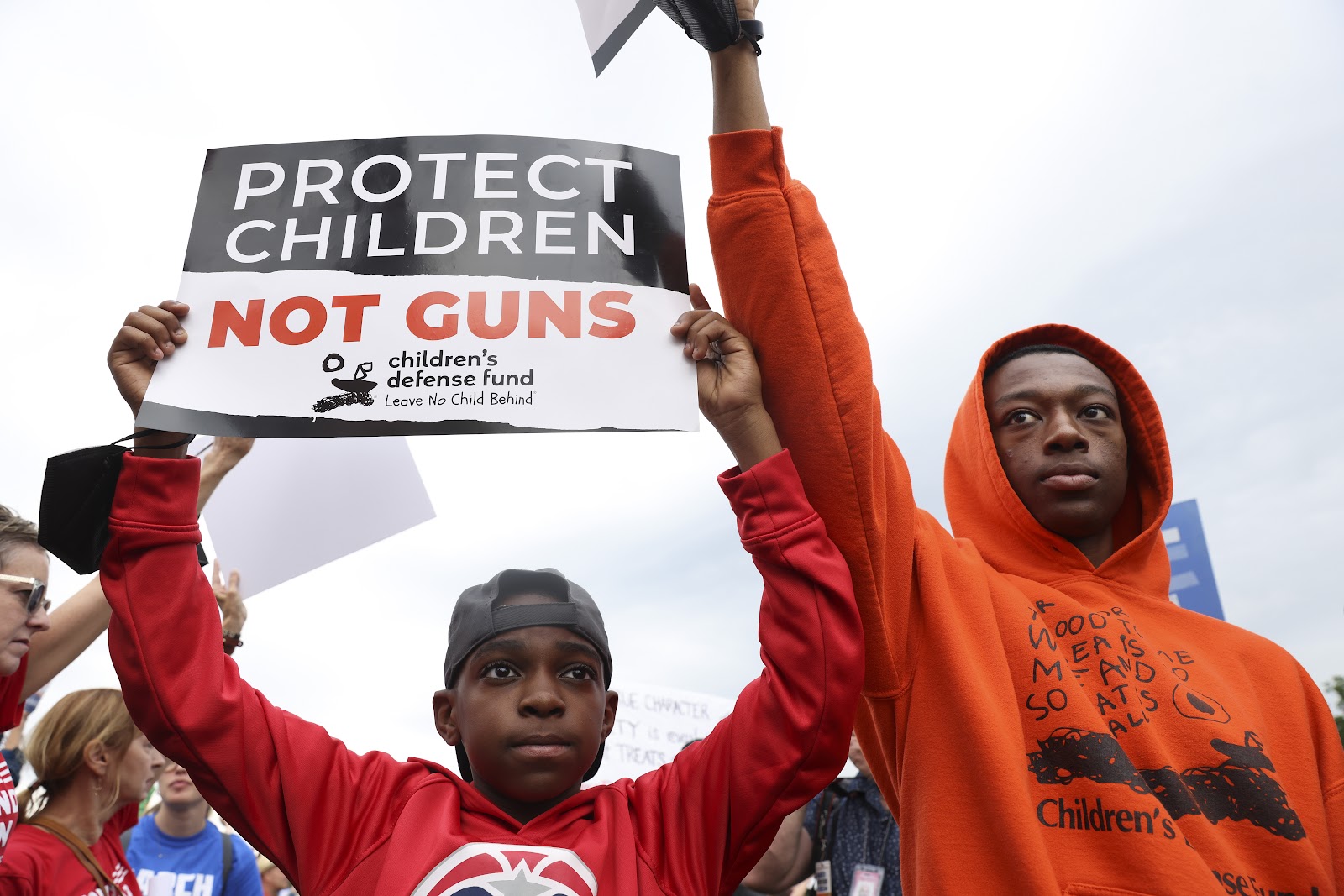
According the Houston Police Department, the city recorded more than 400 homicides in 2023. More than 70% of the homicide victims in Harris County were Black, despite Black residents making up just 20% of the county’s population.
It’s all too much
Just keeping track of all the shootings has become overwhelming, with the locations, circumstances and victims’ names blending into what feels like an endless trail of bloodshed and grief.
“Unfortunately, I think we’ve become immune to it,” said Dr. Howard Henderson, executive director of the Center for Justice Research at Texas Southern University. “It’s become a part of life.”
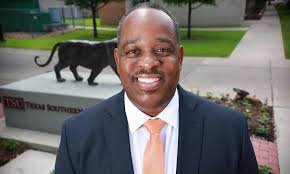
But mental health professionals are divided on whether Americans have truly accepted the violence.
“The numbness is not even just desensitization. It’s become a survival instinct,” said Vaile Wright, director of research and special projects at the American Psychological Association. “Because over time, something that is shocking or stressful or terrible becomes less so because you do start to get kind of used to it.
“With the way that we consume news and consume information right now and how visual it is, it does feel like it’s happening all the time.”
Houston therapist Dauphney Lockridge agreed, but said what looks like numbness may actually be a form of self-protection.
“You develop a certain set of skills to cope,” she said. “Maybe it’s turning off the television or choosing not to talk about it. But those are all protective factors. It doesn’t necessarily mean people are numb.”
A crisis rooted in trauma
“It’s not just a public safety issue—it’s a public health crisis,” said Henderson. “Unless you’re talking to the young men and women directly affected, it’s hard to understand how deeply embedded this is in their lives.”
Henderson co-authored a study last year that surveyed 100 Black boys and young men in Houston, as well as in Wilmington, Delaware; Jackson, Mississippi and Baltimore, Maryland. The findings point to a cultural and psychological normalization of violence, often reinforced by music, generational trauma and lack of opportunity.
“Some of these young men told us, ‘We get it from the music,’” Henderson said. “They listen to songs that glorify violence and, unlike previous generations who knew it was metaphorical, they take it literally.”
The study also revealed that many young men first encountered guns before age 15, some as young as 8. And in most cases, the weapon was handed to them by a younger relative, such as an uncle or cousin, who believed it was necessary for protection.
“They’re not getting them from older relatives,” Henderson said. “It’s usually someone just a little older who thinks they’re helping.”
The trauma beneath the trigger
Henderson said untreated trauma, compounded by systemic neglect, is driving much of the violence.
“There’s a school of thought, like that proposed by the late Amon Wilson, that argues homicide is a Black response to government disenfranchisement,” Henderson said. “Wherever you see disinvestment in Black communities, you see rising homicide rates. People are frustrated, and they take it out on each other.”
He also referenced the work of Dr. Joy DeGruy, author of Post-Traumatic Slave Syndrome, noting that the unique historical and generational trauma experienced by Black Americans cannot be overlooked.
“It’s not just about guns—it’s about survival, hopelessness and legacy trauma,” Henderson said. “No matter where you go in this country, the homicide rate is highest in our community. Even compared to other marginalized groups with similar socioeconomic status, like Latinos, the rates are strikingly higher. So we have to ask: What’s unique about the Black experience in America that produces these outcomes?”
A generation desensitized
Youth advocates say the normalization of violence is among the most dangerous consequences of the crisis.
“When the violence becomes background noise, when we stop crying, stop marching, stop caring—it means the system has succeeded in numbing us to our own genocide,” said activist Crystal Campbell, who leads youth healing circles across the city.
She said some teens scroll past news of a shooting like it’s celebrity gossip.
“They don’t flinch when a classmate dies,” Campbell said. “That’s not normal. That’s trauma.”
Asa Singleton, 24, a violence prevention specialist with The Forgotten Third, said many youth he mentors carry guns out of fear, not aggression.

“They’re not trying to be shooters,” Singleton said. “They’re trying to stay alive.”
New solutions, ongoing struggles
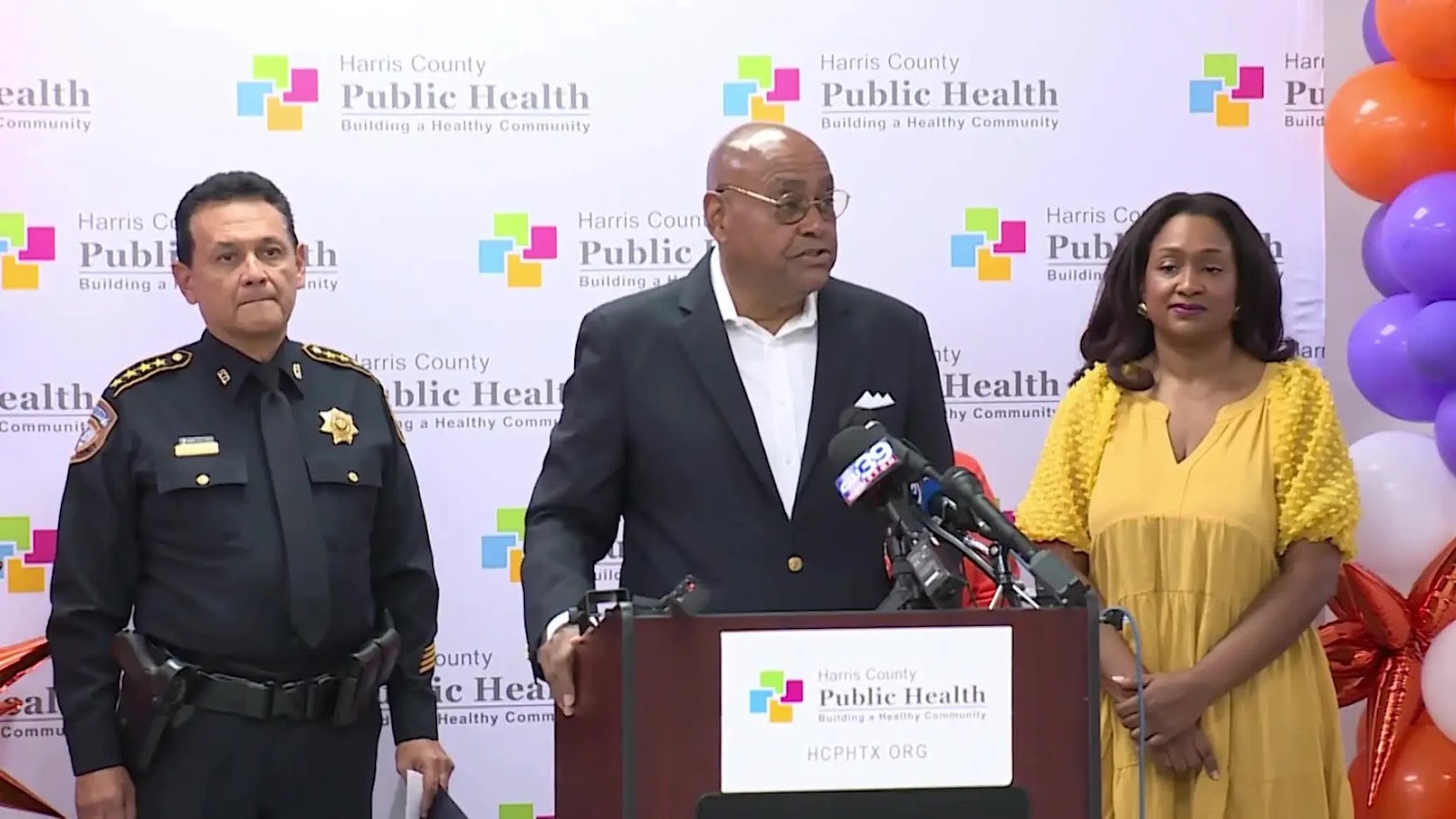
To address the crisis, Harris County launched the R.I.S.E. Empowerment Center in Cypress Station—a one-stop hub for people at risk of committing or becoming victims of violence. The center offers mental health services, trauma counseling, conflict resolution and job training.
“This is about systemic change,” said Harris County Commissioner Rodney Ellis. “You can’t police your way out of trauma. You have to provide hope and opportunity.”
The county’s gun buyback program, part of the broader One Safe Houston initiative, has already removed more than 4,200 firearms, making it one of the most effective in the nation.
Still, Henderson says other systems must also be held accountable, which includes property owners. He pointed to the emerging use of “premises liability” lawsuits, where families sue apartment complexes for failing to provide adequate safety measures despite high crime rates.
“It’s no different than when big box retailers got sued for not ensuring customer safety,” Henderson said. “Now landlords and property owners are on notice, too.”
A way forward
In neighborhoods like Third Ward, Acres Homes and Sunnyside, the scars of gun violence run deep—but so does the desire to heal.
“What I want is for my son to make it home,” said Brooks. “That shouldn’t be a prayer. That should be a given.”
But for now, the prayers continue. And so do the funerals.
And amid the grief, advocates warn: becoming numb to the violence isn’t resilience. It’s a sign of crisis.
