


Elected officials often mention the term “super neighborhood” at press conferences or public events. It’s also periodically referred to during City Council convenings and civic club gatherings.
Still, many Houstonians are unclear as to exactly what a super neighborhood actually is.
But to gain a deeper understanding, the Defender spoke to three super neighborhood presidents to learn exactly what they are, their main responsibilities and more.
What is a super neighborhood?
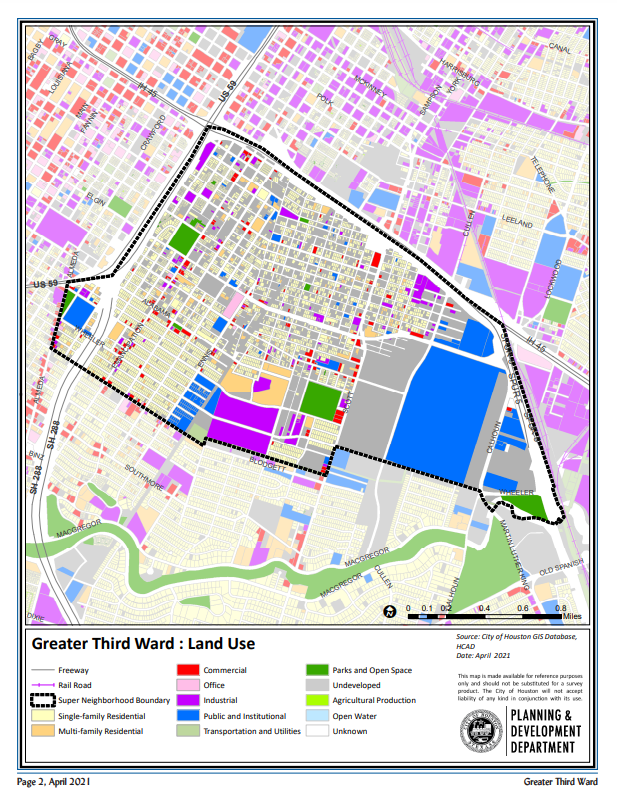
“A super neighborhood is a grassroots organization made up of businesses, churches and residents within a specific designated area,” said Ken Rodgers, president of Super Neighborhood 67 (Greater Third Ward). “The super neighborhood has a direct connection to city government, and county government also.

“We are information gatherers and distributors,” Rodgers further explained. “I get information and I send it out to the community the best way I can. And then I’m there to receive feedback from the community.”
Rodgers then shared a real-life example.
“Say Metro is going to add a bus route, and it’s going to take it off a main street and route it down a residential street. It may benefit TSU and the Cuney Homes, but the people on that street go, ‘Wait, no, we don’t want that bus coming down our street. It will be a big inconvenience for residents.’ So, we then we go back to the table and talk to Metro and say, ‘Hey, can we do this another way and still benefit TSU and the Cuney Homes?’” Rodgers said.
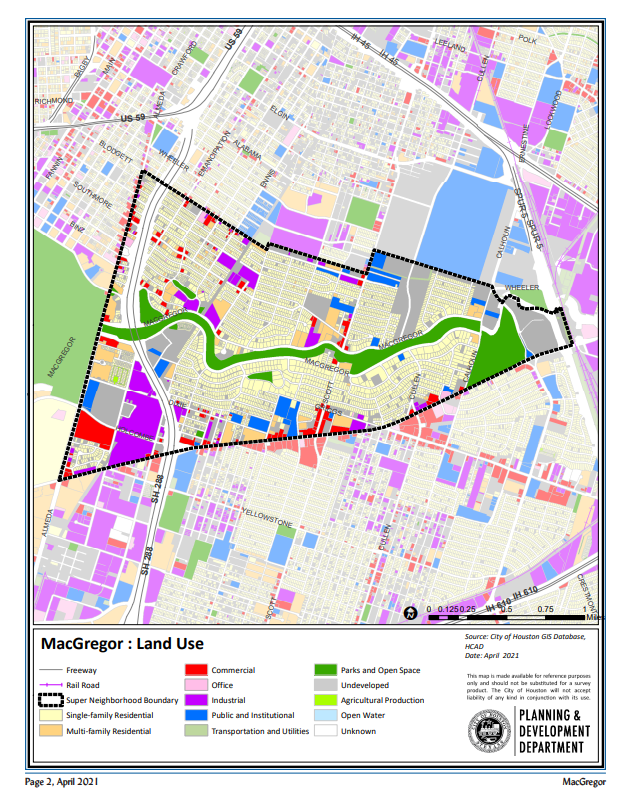
The City of Houston’s website states, “The Super Neighborhood program was initially launched under the city’s Planning and Development department.” Tomaro Bell, president of Super Neighborhood 83 (MacGregor), shared more insights into the program’s founding.
“Thanks to former Mayor Lee Brown, back in 1999, he recognized that because the city was so large, it was very challenging for neighborhoods to come in and give their complaints to the city,” said Bell. “So, he broke the city up into 88 super neighborhoods.”
The idea was to create a broader and stronger connection between Houston residents, their elected officials and city services heads so that things could be done more responsively.

Involvement inspiration
That direct connection partially inspired Rodgers, Bell and Ricky Cardenas, president of Super Neighborhood 63 (Second Ward), to get involved.
For Bell, such a leadership opportunity only made sense.
“Leadership is something I started in the sixth grade when I had my first gang in Gary, Indiana (the GTO Girls – Girls Taking Over). I’ve always been a leader or I don’t participate,” said Bell, who was also inspired by MacGregor residents who were so civically engaged
“I saw Yvette Callaway, Anthony Hall, Faye Bryant, Matilia Graves, Dr. Edith Irby Jones; they were so passionate about our community. Seeing them made me want to live in their community,” shared Bell, who moved into the neighborhood in 1989. “I was like, I want to live there, too. I want to raise my children over here, which I did. So, in terms of getting involved in super neighborhood leadership, it was like, join the fight or get out.”
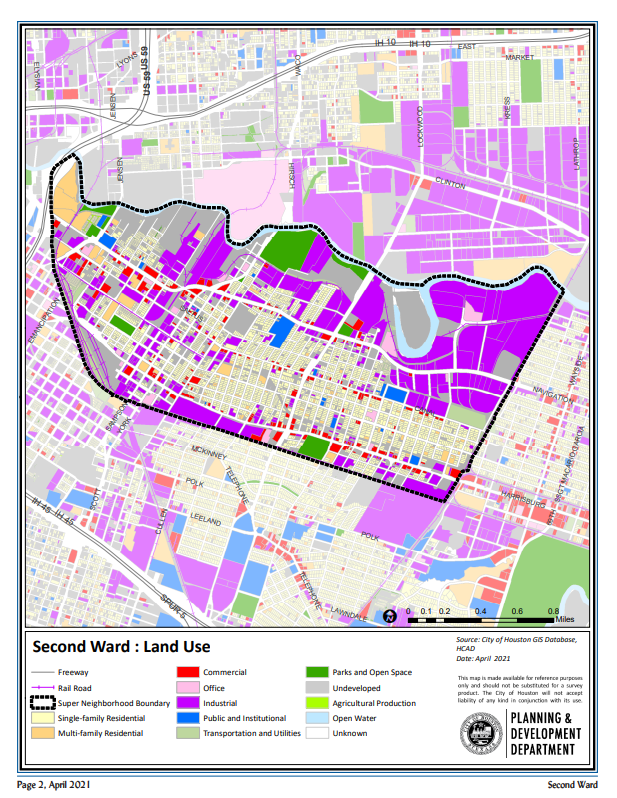
For Cardenas and his wife, who had lived in multiple rental spaces around the Greater Houston area, purchasing a home in Houston’s East End provided what he describes as both an opportunity and a responsibility to invest in his community.
Being selected a few years ago by then-Mayor Sylvester Turner’s Complete Communities University (CCU) expanded Cardenas’ understanding of effective civic engagement. That engagement grew even more after a CCU peer told him about super neighborhoods.
“I had not known about super neighborhoods until I attended CCU,” recalled Cardenas. “My colleague mentioned that the super neighborhood was getting ready to have some elections in a couple of months and that I should talk to the president and check out some of the meetings to see if it’s something I might be interested in. One thing led to another, and here I am in my second term there as president.”
Roles and responsibilities
There is no cookie-cutter playbook for what each super neighborhood does. But each one handles some basics, including serving as an information conduit between neighborhood residents and their elected representatives.
“What do we do? We do what needs to be done. We don’t select the task because the tasks come to us,” said Bell, speaking to one of the common roles of super neighborhoods—listening to the issues of their neighbors and serving as a connector to elected officials.
These issues and tasks include a myriad of things.
Impact
For Bell, a 2021 shooting at a club on the corner of Ennis and Blodgett, was an example of residents’ concerns about rising crime and a lack of what they considered an appropriate response from the city. Bell and members of Super Neighborhood 83 applied the needed PR pressure to obtain their desired results.
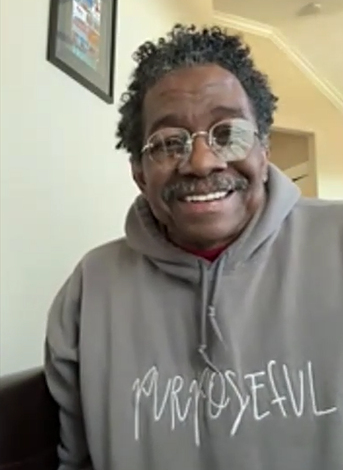
On another occasion, that group successfully ended a push to designate Riverside as a historic district to avoid potential negative consequences that designation could bring upon neighborhood homeowners.
Cardenas and Super Neighborhood 63 members worked in partnership with their area city councilmember to clean up the Second Ward’s section of the Harrisburg Hiking Bike Trail.
Rodgers along with the Super Neighborhood 67 and the area’s city council member, worked in partnership to clean up and secure unsafe spaces while also increasing the number of green spaces in their neighborhood.
DN: Learn more about the challenges and accomplishments of these super neighborhoods.
