

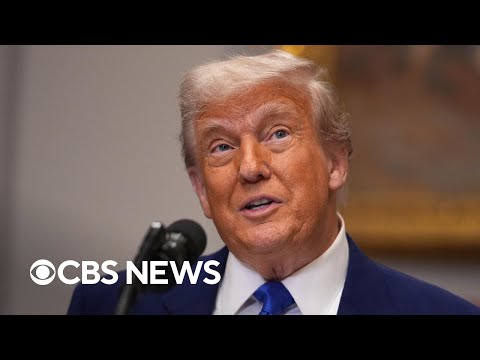
In a highly publicized announcement, former President Donald Trump signed an executive order aimed at slashing prescription drug prices—a move he called “one of the most consequential” in U.S. history. But while the optics were bold, the policy remains thin on substance, and the implications for Black Americans and other marginalized communities are especially complex.
Trump’s proposal targets the pharmaceutical industry by attempting to align U.S. drug prices with those of foreign nations, many of which pay far less for the same medications. The order invokes “Most Favoured Nation” (MFN) status—demanding that American patients be charged no more than the lowest price paid by other countries.
On paper, it sounds revolutionary. In practice, however, this may be little more than smoke and mirrors.
Health experts, market analysts, and policy veterans remain skeptical. The order lacks clear enforcement mechanisms and hinges on future negotiations with both pharmaceutical companies and foreign regulators. There’s also the looming question of whether the Trump administration—if reelected—would have the focus, leverage, or political will to see this through, especially given the powerful drug lobby he himself acknowledged as “the strongest.”
Despite promises that prices would fall “by 30% to 80% almost immediately,” pharmaceutical stocks dipped momentarily before rebounding—a clear sign investors expect business as usual.
Key Outcomes and Implications for Black Americans
Black Americans, who disproportionately suffer from chronic illnesses like diabetes, hypertension, and asthma, have much at stake when it comes to drug pricing reform. Yet the executive order’s vague framework leaves more questions than answers:
Potential Positive Outcomes (If Implemented Effectively):
- Lower Drug Prices
If enforced, price alignment with other countries could reduce out-of-pocket costs for life-saving medications like insulin and heart disease treatments—conditions that heavily affect Black communities. - Direct-to-Consumer Access
Encouraging direct sales from drug companies might bypass predatory intermediaries, offering lower costs and better transparency. - Increased Public Pressure
The order may boost public awareness of pharmaceutical price gouging, pushing future administrations to enact more robust reforms.
Likely Risks and Negative Consequences:
- Empty Rhetoric, No Results
Without enforcement details or congressional backing, this executive order risks being performative—especially if drug companies claim compliance without real changes. - Widened Health Disparities
If drug companies shift focus to wealthier patients or markets (domestic or abroad), access for low-income and underinsured Black Americans could worsen. - Legal and Trade Battles
Pharmaceutical firms are likely to challenge the order in court. Tariffs on imported drugs—something Trump has hinted at—could backfire by raising prices rather than lowering them. - Undermining Public Programs
Disruption to Medicaid or Medicare pricing structures could harm Black seniors and low-income families who rely heavily on these programs. - Research Cuts Framed as Necessity
Big Pharma has already warned that revenue loss could gut R&D. This may be used as a scare tactic, but it could also stifle innovation—especially for diseases disproportionately affecting Black communities (e.g., sickle cell anemia).
Bottom Line:
Trump’s executive order is high on political theater and low on policy clarity. For Black Americans, it raises the stakes without offering concrete protections. Drug affordability is indeed a racial justice issue—but meaningful reform requires more than executive proclamations. It requires transparency, regulation, and a sustained commitment to dismantling the profit-first approach that dominates American healthcare.
Until then, Black communities remain at the mercy of a system that continues to make them pay more—and suffer more—for basic care.