We have enough real things to be outraged about
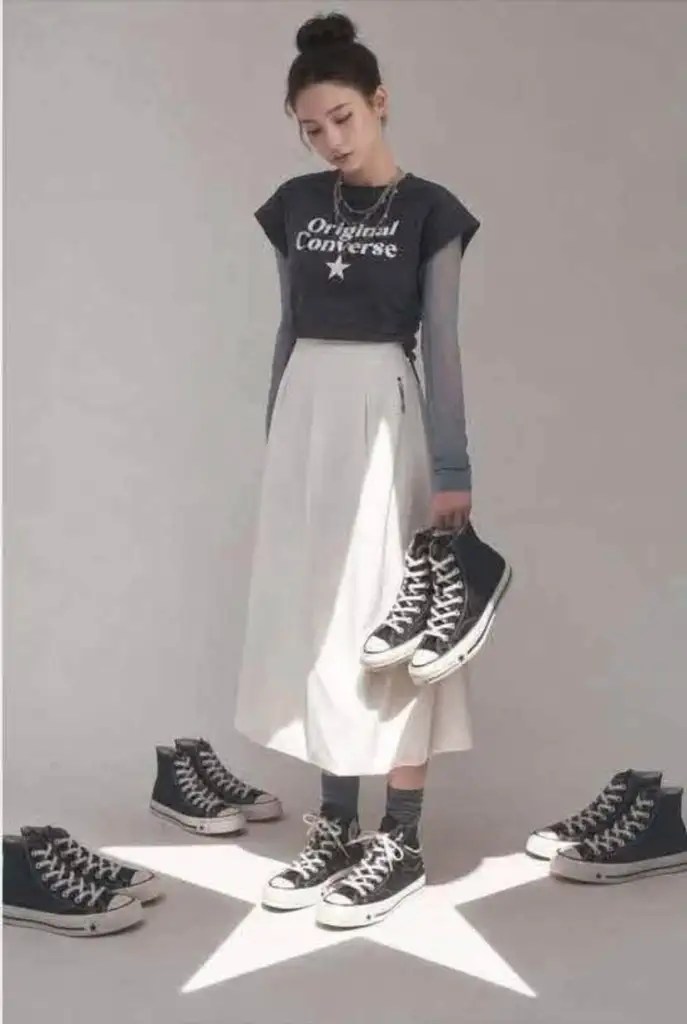
Converse found itself in hot water after an ad featuring K-pop star Karina went viral for all the wrong reasons. In the image, Karina is wearing a white skirt while holding a pair of Converse sneakers beneath a star-shaped spotlight. Once cropped, some people thought the light and skirt resembled a Ku Klux Klan hood while the dangling shoes evoked the feet of a lynching victim. Another campaign image showed models climbing trees to retrieve sneakers hanging by their laces.
As a Black woman who understands the history and imagery of lynching in this country, I absolutely understand why people looked at those pictures and said, “Who approved this?”
But here’s where I part ways with some of the outrage. I don’t believe every offensive image is intentionally racist. We have enough real things to be outraged about without manufacturing intent where we don’t know that it existed.
Converse apologized, removed the images and acknowledged that they should never have made it through its review process. And that’s where I think the real lesson lies. Because whether anyone intended the symbolism or not, somebody should have seen it. That’s why diversity at the decision-making table matters. And I don’t mean bringing in one Black employee after everything is finished and asking, “Does this look racist to you?”
Diversity isn’t decoration. It’s having enough different perspectives in the room that somebody can raise a hand before the campaign goes live and say, “Ummm…y’all might want to look at this again.”
The bottom line is the image was cropped and we have plenty of genuine racism to fight. Let’s not manufacture it. But companies also shouldn’t make us wonder how nobody in the room saw what millions of people saw almost immediately.
A free press can’t depend on favorable coverage

President Donald Trump has banned CNN, MS NOW and Politico journalists from the White House, with reporters from all three outlets turned away and their credentials deactivated or confiscated. Trump has said the outlets spread “fake news,” while the organizations have sued, arguing that the government retaliated against them because of their coverage.
As a journalist, I find the larger question troubling regardless of which administration occupies the White House: Should government officials get to decide which legitimate news organizations receive access based on whether they approve of their reporting? Journalists aren’t supposed to make elected officials comfortable. We’re supposed to ask questions, examine decisions, uncover information and give the public what it needs to make its own judgments.
There are legitimate rules governing White House access, and the administration argues it has authority to determine who enters restricted areas. The news organizations counter that once press access is established, government cannot use it to reward favorable coverage or punish critical reporting. That dispute is now before the courts.
Black media should pay particularly close attention. Our publications were born because mainstream institutions often ignored Black communities or told our stories without us. Access to government isn’t some fancy perk for journalists. It’s one of the tools we use to ask questions on behalf of the people we serve. And history has taught Black journalists something else: When doors start closing to the press, we shouldn’t wait until somebody reaches our door before we care. You don’t have to like CNN, MS NOW or Politico. It’s them today and us tomorrow. Freedom of the press can’t depend on whether the person in power likes what the press has to say.
Six jobs, one paycheck
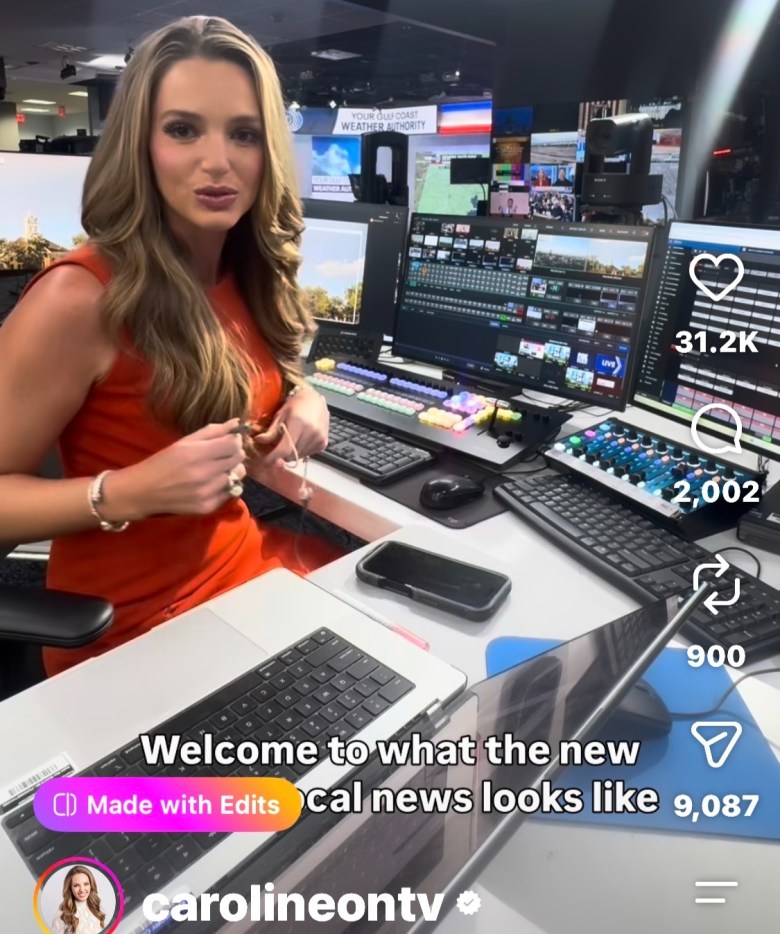
FOX 26 anchor Caroline Collins recently gave viewers a fascinating look behind the curtain of modern television news. And by fascinating, I mean exhausting.
Collins posted a video showing herself hosting a livestream while also producing and directing it, sitting in front of multiple monitors and controls and “punching” the show herself. “If anybody is interested in becoming a broadcast journalist, this is what you are going to have to do,” she said. “You’re gonna have to be your own producer, pretty much your own director, your own host on your show.”
Now, I started my journalism career in television, so I’m all for journalists knowing how to do more than one thing. Technology changes. Jobs evolve. And knowing how to shoot, write, edit, produce, post and go live makes you more valuable.
But somewhere along the way, “multiskilled” started becoming corporate-speak for “How many jobs can we get one person to do?” That’s the part that gets me. If you’re going to ask one employee to do the work that once required several people, shouldn’t the paycheck evolve along with the job description?
If you want me to do six jobs, at least pay me for four. And this isn’t just happening in Houston. Newsrooms across the country are experimenting with automation and AI as stations rethink how local news is produced. In San Antonio, KSAT recently launched a mostly anchorless afternoon show that uses an AI-generated voice for some story teases, although human journalists still report the stories and a human approves the AI-generated teases.
So what’s next? AI nightly anchors? And we wonder why folks think the AI-apocalypse is coming.