The Defender Network’s Community Channel, found at www.DefenderNetwork.com, is an online place where Black people in the Houston area meet neighbors, learn about Black businesses, faith institutions, K-college schools and share experiences. The channel also offers insightful articles, op-eds, profiles and more on all things “community.” Check it out. And check out some of the top articles that were featured there this year.
5 reasons suicide prevention must be a top priority

September is Suicide Prevention Month, and an opportunity to raise awareness of this growing crisis. However, this message is relevant year-round because suicide is ravaging our communities, homes and families far too often and at alarming rates.
Those who value life and recognize the threat of suicidal thoughts, ideation (detailed visualization of taking one’s own life), and actual attempts use Suicide Prevention Month, and any month, to be honest, to shift public perception, spread hope and share vital information with people affected by suicide.
These efforts, including the sharing of this article, are to ensure that individuals, friends and families have access to the resources they need to discuss suicide prevention and to seek help.
Check out some reasons suicide prevention must be placed atop our list of priorities.
10 scriptures that charge us to get politically active
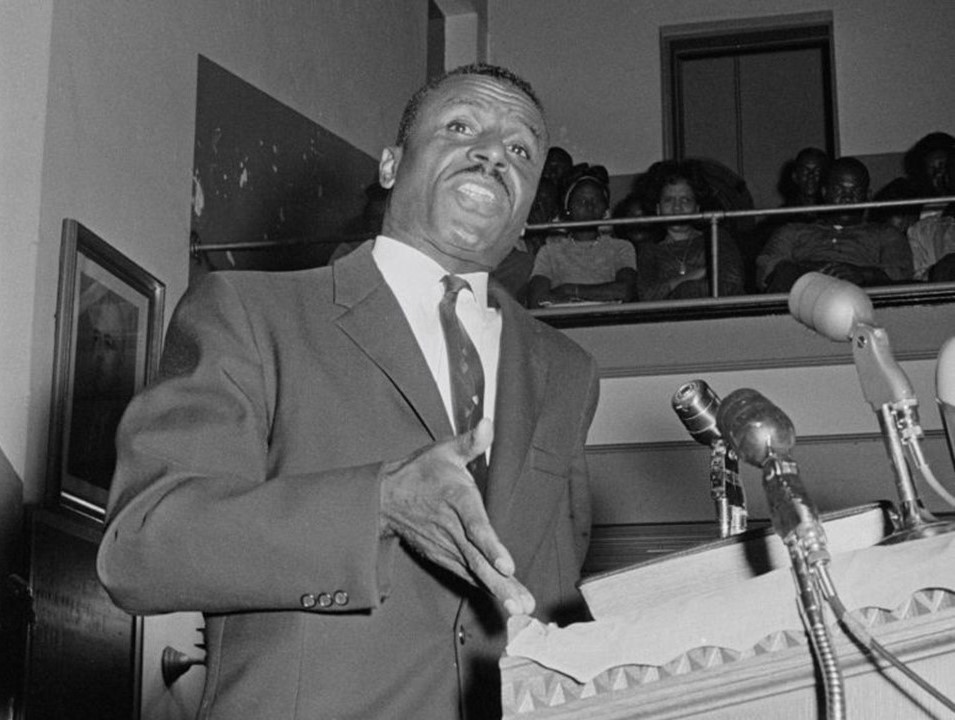
The “Religious Right” allowed their faith to order their steps to the polls and other destinations for political action. The result: They’re in the process of making America great again at the expense of Black people and the planet. Yet our people have a long and storied history of allowing our faith to order our steps to fight for justice, equality and human rights. During enslavement, our so-called masters fed us a version of Christianity that declared us sinners for thinking about anything beyond being obedient and getting our reward in heaven after death.
Yet while taught that anti-Black version of Christianity, there were Black men and women of God who found a liberating message in the scriptures, and preached it to our people.
Denmark Vesey preached the story of Moses telling Pharaoh, “Let my people go” to inspire the revolt he led in 1822. Gabriel Prosser was nicknamed the “Black Sampson” because Prosser’s favorite scripture for rallying enslaved Blacks to his call in 1800 for a revolt was that verse of Sampson bringing down the house on the Philistines in the Book of Judges. David Walker, in his famous book, David Walker’s Appeal (1828), used scriptures to argue that Black people had a divine rights to fight for freedom from enslavement “By Any Means Necessary.”
Let us never forget Cécile Fatiman, the spiritual leader and vodou priestess who, along with Dutty Boukman, helped start the Haitian revolution at the Bois Caïman gathering. Her words elicited chanting and prayer and inspired those sisters and brothers to fight for and successfully win their freedom.
Years later, Marcus Mosiah Garvey was fond of quoting Psalm 68:31, as confirmation that God wanted Black people to be free and self-determining via the words, “Princes shall come out of Egypt, and Ethiopia shall stretch forth her hand unto thee.”
Check out more scriptures that have historically inspired Blacks to social and political action.
What are we doing to raise up the next Sheila, Mickey and Barbara?
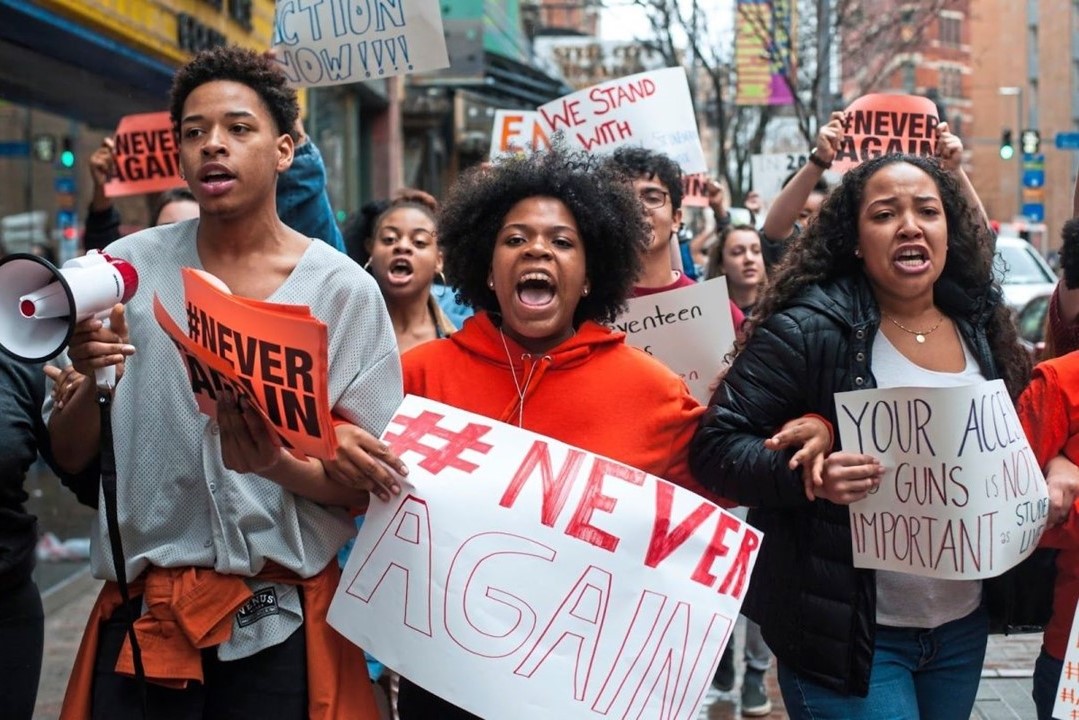
The passing of the late Congresswoman Sheila Jackson Lee was a tough blow for the city of Houston, which was still in mourning over the transition to the ancestors made by iconic leader Rev. Dr. William A. Lawson two months prior.
These two losses, coupled with the fact that Sylvester Turner, Houston’s mayor for eight years who won national acclaim for his handling of multiple storms (environmental, economic and otherwise), is no longer in office due to term limits, should serve as a painful reminder of the importance of proactively preparing the next generation of leaders.
The question Black Houston has to ask is “Who’s next?” Also, “What has been done or what is currently being done to raise up the next generation of Jackson Lees, Lawsons, Mickey Lelands and Barbara Jordans?
The preparation of leaders is an issue faced in both political circles and in our houses of faith and worship. And with the current assault on education from kindergarten to college, it’s an issue that will face educational institutions, as well.
This article offers steps to help raise up the next generation of leaders.
Galena Manor: A historic Houston-area Black community
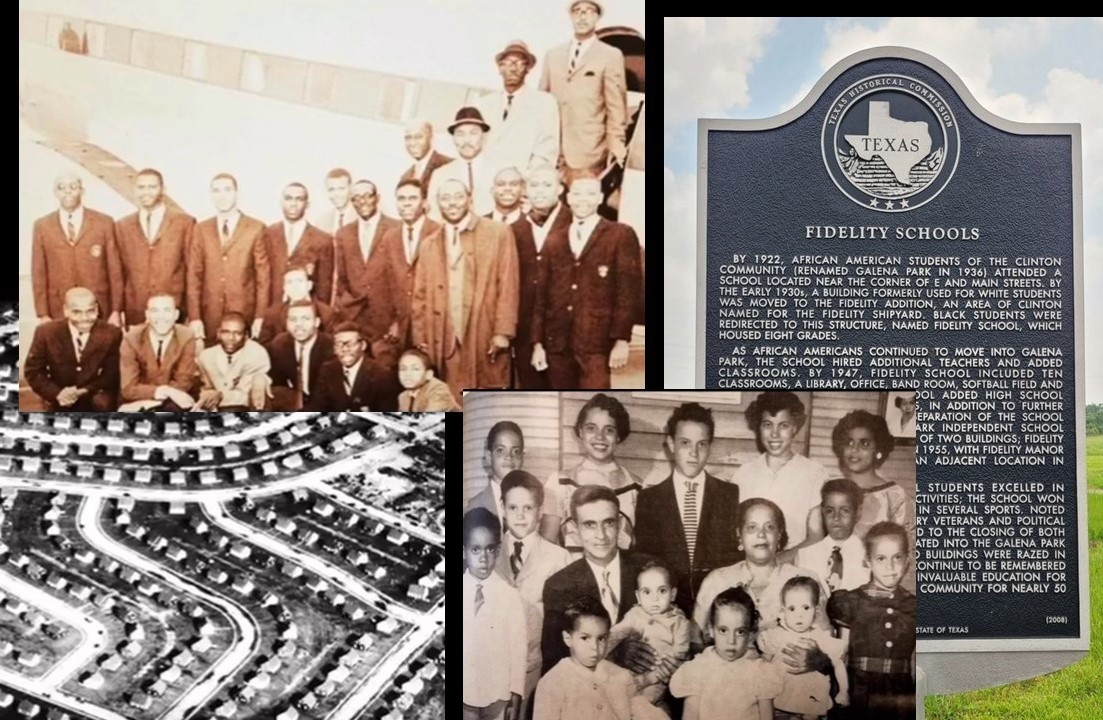
In the Houston Ship Channel universe, Galena Manor remains an under-appreciated piece of Houston’s Black history. Galena Manor is located within one of the nation’s most environmentally unfriendly (i.e. polluted) zip codes. Ironically, it was the overwhelming friendliness and sense of family shared by its residents with visitors that made Galena Manor a major connector amongst members of Black Houston during the 1950s, ‘60s and ‘70s.
Popular Instagram poster KeAndre Jordan (@mysouthernbrand), who regularly shares “Houston’s Black Historical Facts” with his 449,000 followers, said of Galena Manor: “The neighborhood was a prosperous Black community that was filled with Black professionals.” Those individuals put their lives and livelihoods on the line to end bus segregation and push back against police brutality.
Individuals with Galena Manor roots know these and other stories. But so, too, should we all.
Katy’s forgotten, yet still standing historic Black community
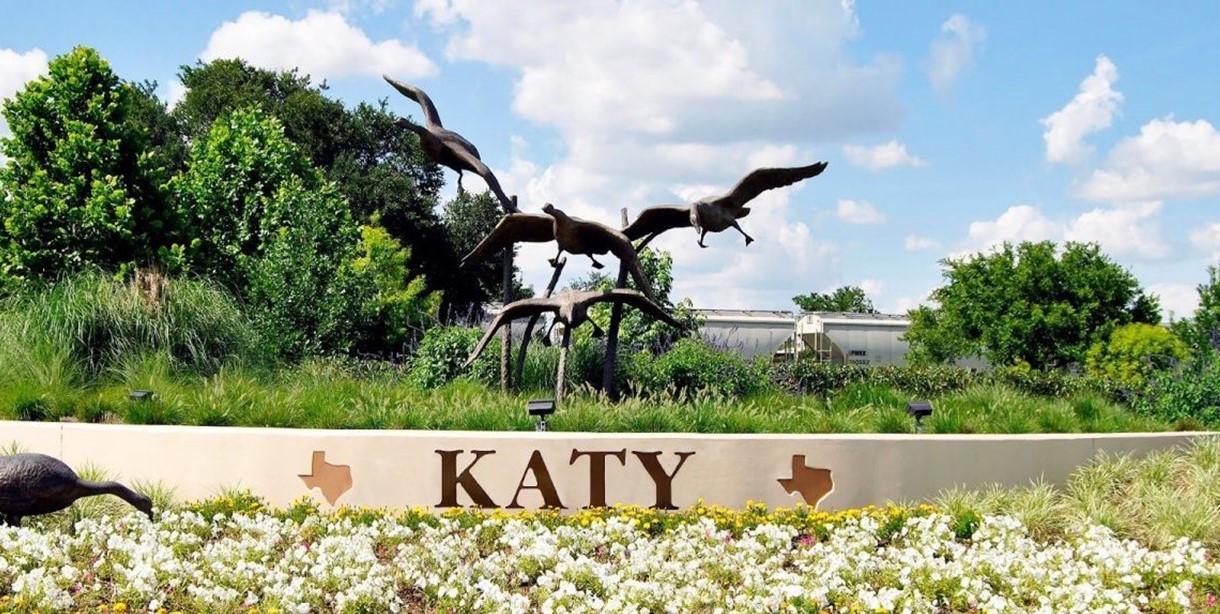
One thing is certain about Black history: It never ceases to amaze and never stops revealing previously unknown or rarely told aspects of Black people’s never-ending journey.
Take, for instance, Katy, Texas. Many recognize the city for its high school football prowess. Many more view it as a “beyond the loop” must-visit shopping destination. Over the past few decades, it has become home to an ever-growing Black population.
But historian and activist Tanya Debose says Black people, and all people, better recognize the area had a thriving Black community before Katy was even Katy.
“The community was established right after emancipation, as a freedom community,” said Debose. “Many of the rice farmers on plantations settled in this area. The area’s called the Danover community. It’s not a huge community. There are less than 60 or so houses there. But the families that still live there are descendants of the original people.”
Learn more about this historic community, and the fight to keep it alive.