EDITOR’S NOTE: This article originally ran April 1, 2021.
Transplanted Texan Julian B. Kane is truly a global citizen. Though this filmmaker, artist and change agent resides in Houston, his soul, like his travels, is international.
You may recognize Julian as a photographer of one of Houston’s many organizational events (pre-COVID), or from his time as a member of Texas Southern University’s legendary Debate Team, then led by Julian’s mentor Dr. Thomas Freeman.
An invitation to participate in a debate competition halfway around the world helped direct Julian’s path once back in the U.S., leading to a plethora of filmmaking projects from Houston to Seattle.
And though challenged to figure out how to make a living by producing art, his projects like the co-produced and directed “Unmasculinity” and it’s sold old run at MATCH in 2014, served as a reminder to the artist to stay in the game because of the many individuals positively impacted by his work.
The Defender caught up with Julian to get insight into his past, present and future works.
DEFENDER: You’re originally from Oakland, California. So, what brought you to Houston?
JULIAN KANE: TSU at the time (2008) was an open enrollment school. And honestly, I don’t want to say I barely graduated high school, but I kinda did barely graduated high school. It wasn’t like I was a bad kid or bad student. I never thought I wasn’t smart. I guess just the way I was being taught … I didn’t subscribe to that pedagogy … About getting to TSU. So, I have two dads; my biological father and my brother’s father who has been a very huge influence in my life. He took me to a Black college fair in Alameda, California, and I met (TSU’s) Brian Armstrong and I signed up. And I think like a month later, I got an acceptance letter. And I guess my mom and other people in my family had a little money saved up for me because I was actually planning on going to a community college. She and other family, encouraged me to go to Texas Southern.
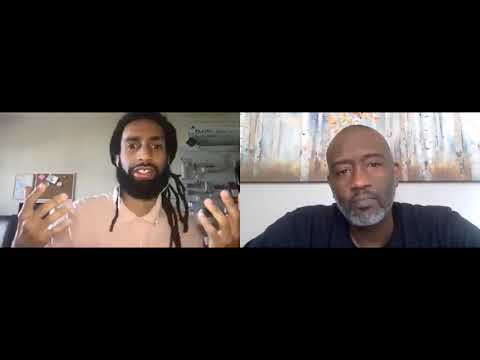
“(At Texas Southern) you’re surrounded by so much love at the university from all aspects; from like other students, professors, adjunct professors, deans, who just want to see you succeed.”
Julian B. Kane
DEFENDER: What experience led you to your current career path?
JULIAN: Dr. Thomas Freeman invited me on (the Debate Team’s) international trip to Tanzania and I was super excited … But a little bit after I started (thinking), “I don’t know if I want to go to Africa” because everything you see in the media about Africa is super negative. My stepfather was like, if you go, you’ll hate it or love it, but you’ll never know if you don’t go. So, I went. And when I went to Dar Salaam, Tanzania, I definitely saw poverty, but it wasn’t like what the media was portraying. But I also saw so much richness in the people; so much wealth. Wealth of knowledge of self. When I came back, I was completely like, “Why is this negative narrative in television? There’s gotta be so many more beautiful places and so many other beautiful people to meet, not just in this United States.” It instilled this travel bug in me … And in 2009, 2010, I was really trying to find a career path to change the narrative of how we think about these places; a career path that would allow me to move freely as I wanted to … I decided I wanted to be a documentary filmmaker, and I truly think that specific instance of going to Tanzania, sparked my whole trajectory of today.

“There was a quote in autobiography of Malcolm X that says, ‘People are like soup and each individual person you meet, each individual experience you have adds an ingredient into your soup.’ So, like literally every time I meet someone, I kinda feel like they’re adding to me … adding to my perspective.”
Julian B. Kane
DEFENDER: You’ve done many different projects, music videos, short films, photography. What’s your favorite?
JULIAN: “I think my favorite thing to do is to sit people down in front of the camera and ask them questions … I feel like everybody’s a teacher and everybody’s a student. Paolo Ferreri, a Brazilian author who wrote “Pedagogy of the Oppressed,” feels like education should be a reciprocal process of like, the teacher should be the teacher and the student, and the student should be the student and the teacher. So, when it comes to asking people questions and interviewing people, I’m learning. And when I publish these interviews, I feel like the listener can transform themselves into the place of the person on camera, and hear their story… I think it stems from just being young and sitting in the garage with my grandfather listening to jazz or sitting on the porch with my great-grandfather.”

DEFENDER: Do you have a mantra that you live by?
JULIAN: “I don’t tell myself this every day, but I just want to be better than the day before, get better with my relationships with people, my relationship with self, and I just try to stay open.”

ABOUT JULIAN B. KANE
From: Oakland, California
Education: BA in Telecommunications/Radio, TV & Film, Texas Southern University; Master of Fine Arts, Antioch University (Seattle); Study Abroad experience at the University of Stellenbosch (South Africa)
Awards: Silver Remi for Short Student Productions at World-Fest Houston International Film Festival (documentary of his South Africa experience)
Current Jobs/Projects: Production Assistant for a reality TV show; Podcast, “The Julian Kane Audio Experience”
TSU Debate Team Highlights: Performed in Dar es Salaam, Tanzania, participated in speech and oratory competitions throughout the U.S., and contributed to TSU’s second place finish in Berlin, Germany at the 20th Annual International Forensics Tournament
Social Media:
- Website: julianbkane.com
- Instagram: julianbkane
- YouTube: Julian Kane
- Facebook: Julian Kane
- Twitter: @julianbkane
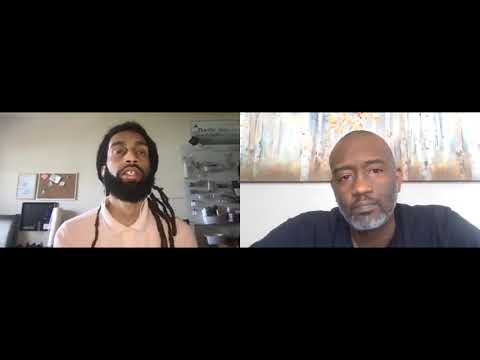
FILMWORK BY JULIAN B. KANE
TSU
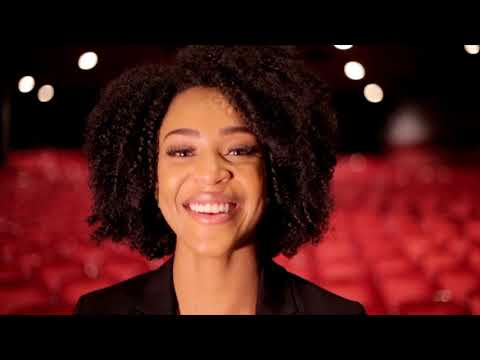
MUSIC VIDEO, MOONCHILD SANELLY

TSU STUDY ABROAD TRIP TO GHANA

SOUTH AFRICA TRIP
I AM WASHINGTON