One of the biggest hurdles to community organizations’ staying power is funding. So, how do 501(c)3s and other successful community-based organizations manage decades of staying power and financial solvency?
A few years ago, the Black United Fund Houston (BUFTX) received a $20 million Community Change Grant from the EPA under the Inflation Reduction Act to tackle environmental justice in Houston. Marcus Glenn, BUFTX’s program developer, shared the following advice.

“Make sure you’re applying for funds that align with your mission and support your current and near future work (next few months – year) versus applying just because the funds are there,” said Glenn. “Like in dominoes, all money ain’t good money. Develop and maintain a good relationship with your funders and stakeholders, keep them updated with different challenges you’re facing in delivering programming; they might have other resources in their network or organization to help you.”
BUFTX also secured a separate $20 million EPA grant (plus $3 million for pollution monitoring) was to support solar infrastructure, storm shelters and training in the Fifth Ward. That grant, however, was later halted by federal actions initiated by the current White House administration. But the fact is, when those grant funds were available, BUFTX was successful in winning that environmental and climate justice-focused grant.
Boynton Chapel Methodist Church (Third Ward) has also been successful in securing grant funding. Boynton’s grants have come from its efforts focused on infrastructure and historic preservation.
Part of a collective $8.5 million in grants from the African American Cultural Heritage Action Fund (backed by Lilly Endowment Inc.), with awards between $50,000–$500,000 each, Boynton was successful in being included as a grant recipient. Boynton has also been successful in securing grants for community-serving endeavors, including providing free dental care for the uninsured.
“Having an economic halo effect study conducted on our historic church powerfully demonstrated the tangible value we bring to the surrounding community,” said Linda Davis, pastor of Boynton. “This data-driven evidence has significantly strengthened our grant applications, showcasing not just spiritual impact, but economic return. As a result, we’ve been able to secure critical funding to preserve our sacred space for generations to come.”
Below are tips for accessing funding and resources to identify funders.
Tips to get funding
Here are ways community organizations can secure major funding through grants, donations and other revenue streams, along with relevant funding sources and tools to access them.
Apply for foundation grants
Many private and public foundations support grassroots and Black-led organizations working on equity, justice, education, health and community development.
Some of those funding sources include:
- The Ford Foundation – Strong emphasis on racial equity and social justice. (www.fordfoundation.org)
- The Kellogg Foundation – Focus on children, families and equity. (www.wkkf.org)
- Surdna Foundation – Prioritizes racial justice and inclusive economies. (www.surdna.org)
- The Libra Foundation – Funds BIPOC-led social justice movements. (www.librafoundation.org)
Helpful Tool:
- Foundation Directory Online (by Candid, fconline.foundationcenter.org) – Powerful database to search for grants by cause, geography and funder. Though Candid requires a paid subscription, many public libraries in Houston (like HPL’s Central Library) offer free in-library access.
Leverage community-based giving circles and Black philanthropy networks
Funding Sources:
- The Black Benefactors (Washington, DC) – Black-led giving circle supporting Black nonprofits. (www.blackbenefactors.org)
- Community Investment Network – National network of BIPOC giving circles. (www.thecommunityinvestment.org)
Pro Tip: Reach out and get to know giving circle members; they value relationships and community impact.
Pursue government and public sector grants
Funding Sources:
- Grants.gov – Central clearinghouse for U.S. federal grant opportunities. (www.grants.gov)
- Local and state arts commissions, health departments, and human services agencies often offer community improvement and health equity grants.
Helpful Resource:
- You can sign up for alerts on Grants.gov for your specific issue area (e.g., youth, public health, housing).
Partner with anchor institutions (hospitals, universities, corporations)
Examples:
- Hospitals/Health Systems offering funding to community organizations for health equity partnerships.
- Universities often support community-engaged research or educational partnerships.
- Corporate CSR Programs: Many corporations fund community initiatives through their corporate social responsibility (CSR) efforts (e.g., Google.org, Nike, Microsoft, Ben & Jerry’s Foundation).
Action Tip: Identify local anchor institutions and build a mutual value proposition — how your organization’s work helps them meet their public mission or goals.
Launch major donor campaigns and crowdfunding with purpose
Platforms & Tools:
- Givebutter – Combines donation pages, events, and campaigns for nonprofits. (givebutter.com)
- GoFundMe for Nonprofits – Great for grassroots orgs launching time-sensitive campaigns. (www.gofundme.com)
- Patreon/Substack – Useful for community orgs doing consistent storytelling or education work. (www.patreon.com; substack.com)
Strategy Tip: Use storytelling to connect emotionally with donors. Showcase leadership, community impact, and the unique Black-led lens.
Tap into Black-led or BIPOC-focused funds and intermediaries
Funding Sources:
- Solidaire Network – Connects progressive donors with grassroots orgs. (www.solidairedonate.org)
- The Fund for Black-led Organizing (by Borealis Philanthropy) – Gives directly to Black-led groups. (www.borealisphilanthropy.org)
Get listed and discoverable in funding match platforms
Resource:
- Candid’s GuideStar – Create or update your nonprofit profile to get visibility with donors and foundations. (www.guidestar.org)
- Catchafire – Connects skilled volunteers (often corporate-sponsored) with nonprofits and sometimes offers microgrants. (www.catchafire.org)
Additional Tips
- Build strong narratives around your mission, leadership, and measurable impact.
- Show fiscal responsibility and scalability.
- Apply for the often overlooked capacity-building grants to grow your fundraising infrastructure.
- Don’t go it alone — join Black nonprofit networks, like ABFE | A Philanthropic Partnership for Black Communities (www.abfe.com), National Black United Fund (NBUF, www.nbuf.net) and Movement for Black Lives (M4BL) funding table (m4bl.org).
Additional funding resources
Grant Databases & Funding Research Tools
Philanthropy Southwest’s Foundation Directory, www.philanthropysouthwest.org
- Focuses specifically on Texas and Southwestern U.S. funders.
- Offers tools to identify regional funders committed to racial equity, economic mobility, education, health and more.
- Their “Common Grant Application” and webinars are especially helpful.
Texas Grants Resource Center (Austin), www.txgrc.org
- A regional affiliate of Candid.
- It offers grant writing support, access to Foundation Directory Online, and lists of local/national funders open to funding racial equity and social justice initiatives.
- Not Houston-based, but many of their resources are available online or by phone.
Books & Print Directories
“The Foundation Directory” (Print Edition)
- Published by Candid; contains thousands of U.S. grantmakers, including those funding Black-led and racial equity-focused work.
- Updated annually, often available at public libraries or universities.
- Look for organizations supporting: community development, Black arts and culture, youth programs, historically marginalized communities and education equity.
“Grassroots Grants: An Activist’s Guide to Grantseeking” by Andy Robinson
- More than a directory—this book is a how-to guide for community-based, justice-focused organizations to fundraise from foundations and individuals.
- Ideal for Black-led grassroots organizations looking to build sustainable strategies.
Specialty Funders Lists for Black Communities
ABFE: A Philanthropic Partnership for Black Communities, abfe.org
- National leader in racial equity philanthropy.
- Publishes reports and directories listing Black-led funders and major philanthropic initiatives targeting Black communities.
BIPOC Arts Network & Fund (BANF), www.banfhouston.org
- Focused on Black, Indigenous, and people of color-led arts groups in Houston.
- Offers open calls for funding and a growing network of philanthropic partners.
Local Organizations That Help You Find Funders
- Houston Arts Alliance – For creatives and arts-based orgs.
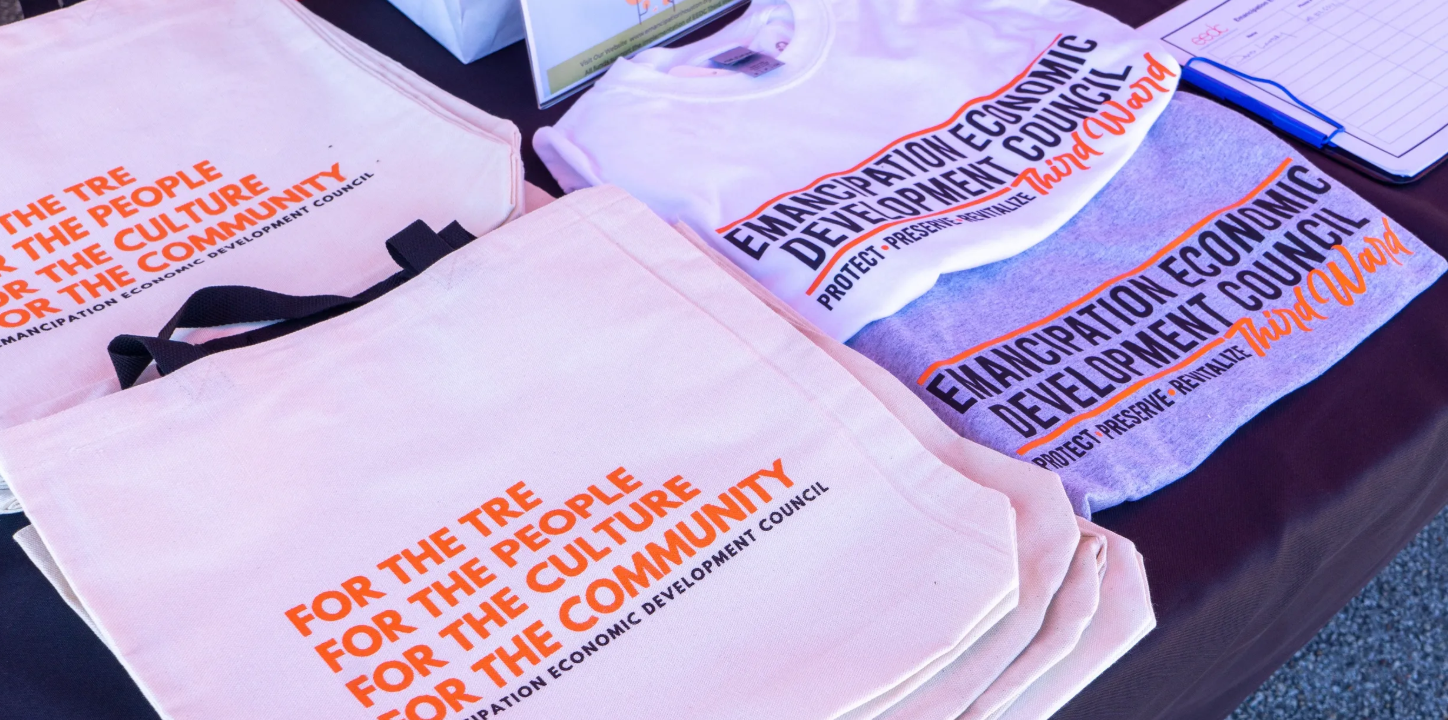
- Emancipation Economic Development Council (EEDC) – Partnered with funders like Houston Endowment.
- Young Black Giving Circle Fund (via CFCF) – National fund that supports Black-led orgs with small to mid-size grants.
- United Way of Greater Houston – Publishes annual funding priorities and collaborates with grassroots organizations.
DN: Read about local organizations able to secure major funding.