As maternal mortality rates continue to climb in the U.S., especially for Black women, national advocates are stepping up to bring lifesaving resources and culturally competent care directly to the communities most in need.
That’s the mission behind the THRIVE Maternal Health Tour, which stopped in Houston earlier this month. The tour hosts a community baby shower and connects expecting parents with doulas, mental health professionals and vital health services.
Dr. Que English, CEO of Elev8 Health, Inc., is behind the initiative. She launched the tour to address what she calls a “preventable atrocity.”

“You just look at our national statistics, and it propels one to address this,” English said. “Our Black women are dying from pregnancy-related deaths three to four times more than our white counterparts. And at least 80% of those deaths are preventable.”
English says several strategies exist to address the issues in Black maternal health. The tour emphasizes the need for systemic changes that prioritize Black maternal health, such as increased investment in community-based care, Medicaid expansion and implicit bias training for providers. Hospitals and clinics must adopt accountability measures to track racial disparities in maternal outcomes and implement structural improvements.
Philanthropic organizations can fund maternal mental health programs, transportation services and safe housing. At the same time, individuals can contribute by amplifying Black voices, supporting pregnant people and advocating for policies centered on equity and dignity in care.
According to a report from the Commonwealth Fund, the U.S. has the highest maternal mortality rate of any developed country. For English, that unacceptable reality demanded urgent, community-based solutions.
“This should be one of the safest countries for women to give birth in,” she said. “But the numbers say otherwise. So we go directly into communities with high maternal mortality and morbidity rates and connect families to doulas, midwives, mental health support and educational tools so they can advocate for themselves.”
Houston, which falls within a state that received an “F” grade for maternal health outcomes, was an essential stop on the tour.
Addressing the mental health crisis within the maternal health crisis
Kay Matthews, executive director of the Shades of Blue Project, a Houston-based maternal mental health nonprofit, emphasized that the mental health challenges Black mothers face are just as urgent as the physical ones.
“If you lay maternal mental health on top of the maternal mortality crisis, it fits into every component,” said Matthews. “One in every four Black women will experience a postpartum issue, but many will never be screened or treated because of stigma and lack of access.”
For Matthews, dismissing the mental health component is a grave mistake.
“We’re not just dealing with a maternal health crisis,” she said. “We’re facing a maternal mental health crisis, too.”
The THRIVE Tour is expected to bring vital resources- therapists, support groups, peer counselors and doulas—to offer wraparound care that understands and addresses the unique emotional journey of Black birthing people.
Why doulas and cultural competency matter
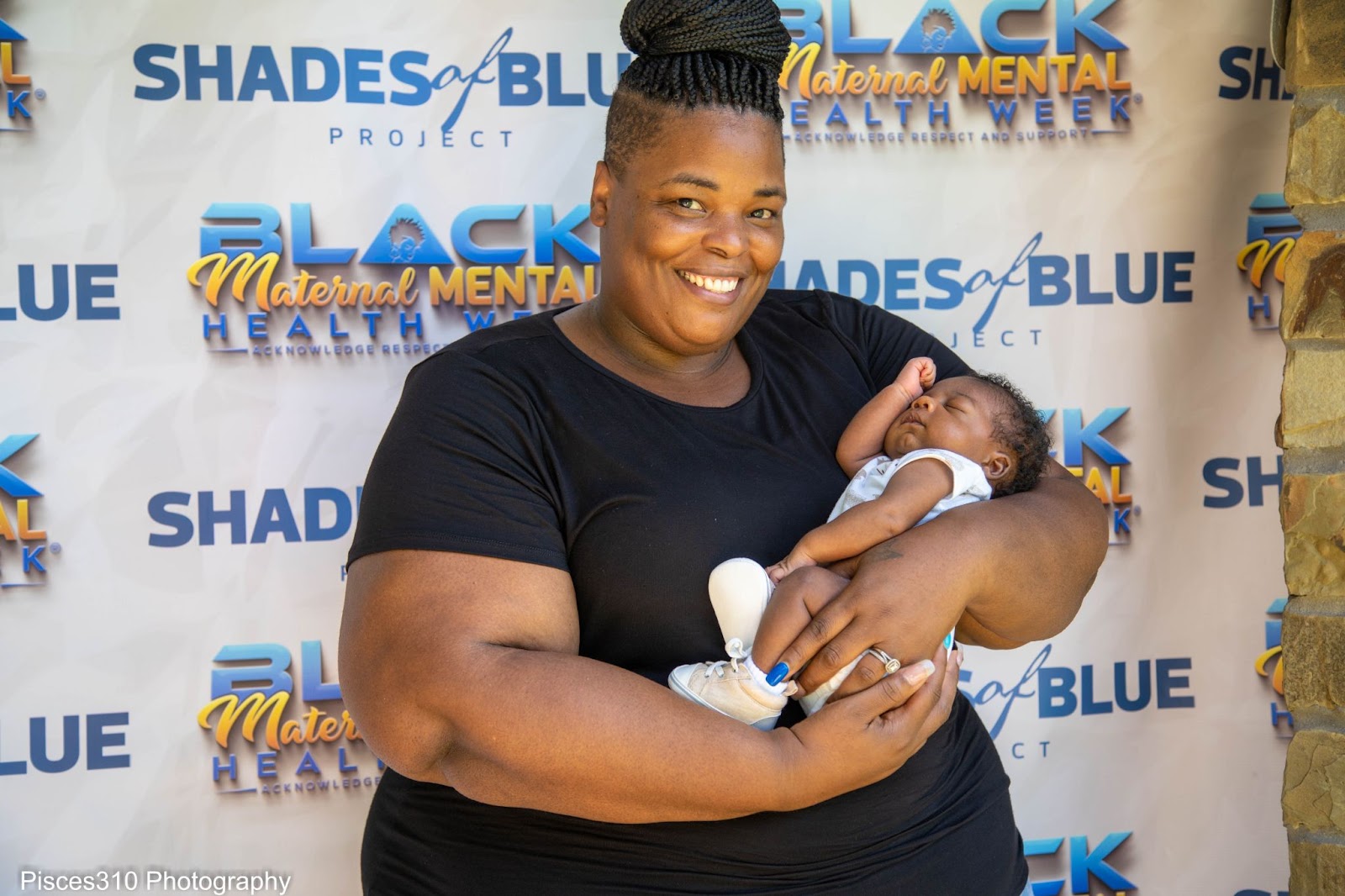
Both English and Matthews stressed the importance of culturally competent support, such as doulas and midwives, in improving the outcomes of Black women.
“Doulas are there to support the birthing individual—to make sure she’s safe, mentally and physically,” said Matthews. “You’ve got doctors and nurses focused on the baby, but who’s focused on making sure the mother survives, too? That’s where doulas come in.”
She pushed back against the misconception that doulas are trying to replace medical professionals.
“The doulas I work with just want to make sure that mom and baby both make it home and thrive during that first 365 days after birth,” Matthews said.
English added that culturally competent care isn’t just helpful—it’s vital.
“When a Black woman walks into a healthcare setting, she shouldn’t have to fight to be believed,” said English. “Culturally competent care ensures she doesn’t have to.”
Representation, both women agreed, is a powerful tool. Having care providers who understand Black families’ language, traditions and lived experiences builds trust and bridges gaps in communication. That trust is often the difference between life and death.
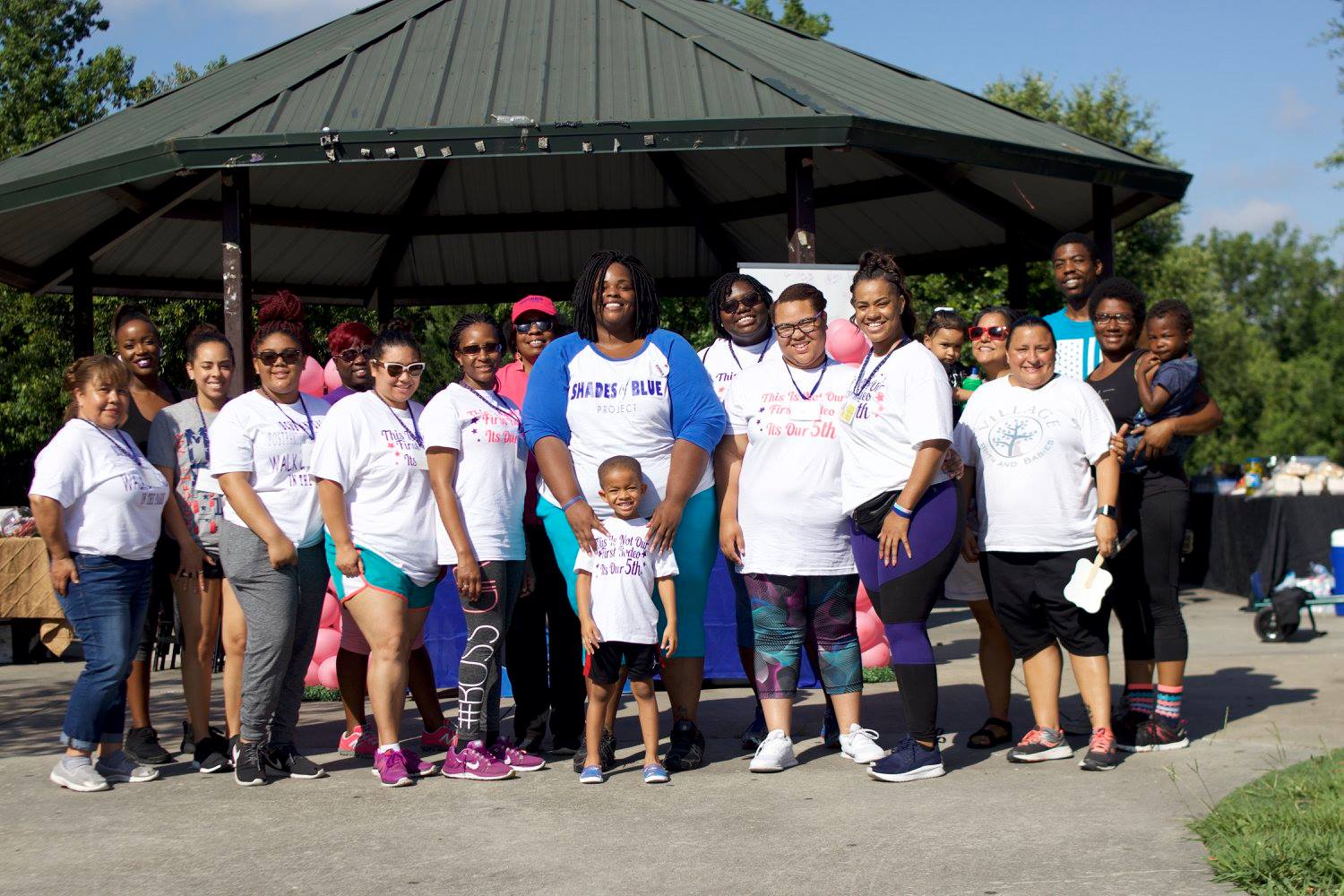
The tour is considered a solutions-based strategy to equip Black families with knowledge, resources and advocacy tools.
English said their team chooses cities based on their risk factors.
“We’re going where the numbers tell us to go—cities with high maternal mortality and morbidity rates,” she said. “Houston was where we needed to go.”
Maternal health is not only a woman’s issue. Men are also important to this discussion. Dads and dads-to-be received support through private discussions, tools to improve mental health and to maximize their potential as fathers.
“We want to educate Black families on how to advocate for themselves in clinical settings,” said English. “We want them to walk in knowing their rights, knowing the questions to ask and knowing they deserve to be heard and respected.”