


Malcolm X
If there’s ever been a performance that embodied a man’s spirit, it was Denzel Washington as Malcolm X in Malcolm X.
Denzel didn’t just play Malcolm—he became him. The cadence, the conviction, the transformation from Malcolm Little to El-Hajj Malik El-Shabazz—it was layered, precise, and deeply human. You felt the fire, the evolution, the internal conflict. It wasn’t imitation—it was resurrection.

He carried the weight of history on his shoulders and delivered a performance that educated, inspired, and challenged audiences all at once. It was powerful, fearless, and culturally essential. And yet, it wasn’t rewarded the way it deserved.
And that’s the story with Denzel. Malcolm X is just one example in a career full of undeniable brilliance. From the emotional depth of John Q, to the quiet intensity of Man on Fire, the leadership in Remember the Titans, the raw authenticity of He’s Got Game, the transformative power of The Hurricane, and the commanding presence in American Gangster—and the list goes on.
Malcolm X is filled with powerful performances, but Delroy Lindo as West Indian Archie delivered a masterclass that often goes overlooked.

Lindo brought Archie to life with a quiet intensity that commanded every scene. He wasn’t loud—but you felt his presence. Calculated, disciplined, and deeply respected, Archie represented a different kind of power—one rooted in control, reputation, and intellect.
The numbers-running scene alone? Tension, authority, and subtle menace all in one. It set the tone and showed how influence operates without spectacle.
West Indian Archie wasn’t just a side character—he was foundational. And Lindo played him with precision and unforgettable weight.
What’s Love Got to Do With It

What’s Love Got to Do with It wasn’t just a biopic—it was a masterclass in performance.
Angela Bassett didn’t play Tina Turner—she channeled her. Every movement, every note, every ounce of pain and triumph lived in her body. She captured Tina’s vulnerability, her strength, and that undeniable fire that refused to be broken. It was physical, emotional, and spiritual transformation all at once.


And then there’s Laurence Fishburne as Ike Turner—a performance so raw, so unsettling, it made you uncomfortable in the best way. He didn’t soften Ike. He showed the charm, the control, the violence, and the darkness with fearless honesty. It was a portrayal that demanded you confront the reality of abuse, not look away from it.
Together, they created tension you could feel in your chest. Love, fear, power, survival—it was all there. These weren’t just performances, they were lived experiences on screen.
If awards are meant to honor truth, transformation, and impact—this film delivered all three.
Why Do Fools Fall in Love

Why Do Fools Fall in Love deserved far more respect than it ever received—and it starts with the performances.
Larenz Tate stepped into the role of Frankie Lymon with a level of charisma and vulnerability that was impossible to ignore. He captured the innocence of a teenage star, the pressure of sudden fame, and the tragic unraveling of a young life in the spotlight. It wasn’t just charm—it was layered, heartbreaking, and deeply human. You watched a boy become a legend… and then watched that legend fall apart.


And then there’s Vivica A. Fox, who brought fire, complexity, and emotional depth to a story that could have easily flattened its female characters. She didn’t just play a supporting role—she commanded the screen. Every scene carried weight, perspective, and power, giving voice to the women often left in the margins of music history.
Together, these performances told a fuller story—about love, ambition, betrayal, and survival. It wasn’t just a biopic—it was a reflection of how fame impacts everyone in its orbit.
The truth is, this film gave us performances that were rich, nuanced, and unforgettable. The kind awards are supposed to recognize.
New Jack City

New Jack City wasn’t just a crime film—it was a cultural moment powered by unforgettable performances.
Wesley Snipes as Nino Brown was magnetic and terrifying. He didn’t just play a villain—he embodied ambition, power, and the seductive pull of the drug era. Smooth, calculated, and ruthless, Nino became iconic because Snipes made him feel real.
Then Chris Rock as Pookie delivered one of the most unexpected, heartbreaking performances of his career. His portrayal of addiction was raw, vulnerable, and painfully human—showing the cost of the very empire Nino built.
Together, they told both sides of the story: the rise of power and the devastation it leaves behind.
Antwone Fisher

Antwone Fisher is a quiet powerhouse—and its performances deserved far more recognition.
Derek Luke as Antwone delivers a raw, soul-baring performance that feels deeply personal. You watch him carry trauma, anger, and pain—then slowly unravel and rebuild. It’s vulnerable, honest, and unforgettable.
Alongside him, Denzel Washington as Dr. Davenport brings restraint, wisdom, and emotional grounding. He doesn’t overpower—he guides, creating space for healing to unfold.
Together, they gave us a story about pain, accountability, and transformation that felt real—and necessary.
Higher Learning

Higher Learning tackled race, identity, and power—but Ice Cube as Fudge delivered one of its most grounded and necessary performances.
Fudge wasn’t loud for attention—he was intentional. Ice Cube brought a calm, intellectual edge that challenged everyone around him. He spoke truth about systemic racism, self-awareness, and discipline in a way that felt both confrontational and empowering.
Every scene he was in shifted the energy. He wasn’t just a character—he was a voice of perspective, forcing both the audience and other characters to think deeper.
It was a performance rooted in purpose—and it left a lasting impact.
Lean on Me
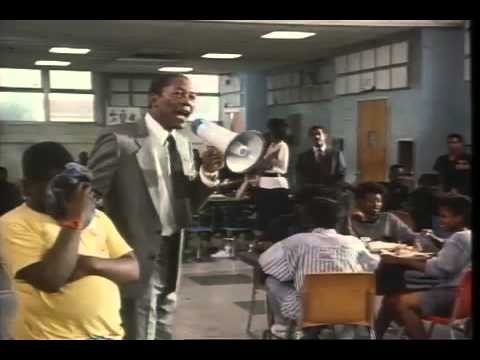
Lean on Me stands on the shoulders of one unforgettable performance—Morgan Freeman as Principal Joe Clark.
Freeman didn’t just play a principal—he embodied leadership under pressure. Fierce, uncompromising, and deeply committed, Joe Clark walked into chaos and demanded excellence where others had given up. Every line carried authority. Every decision carried weight.
But what made the performance powerful wasn’t just the toughness—it was the purpose behind it. You felt the care, the urgency, the belief that these students were worth saving, even when the system failed them.
Clark wasn’t perfect. He was controversial. But he was effective—and Freeman brought that complexity to life with precision and presence.
It was a commanding performance about accountability, courage, and what it means to lead when it’s hardest.
Crooklyn

Crooklyn is a love letter to family, and its emotional core rests on two unforgettable performances.
Zelda Harris as Troy carries the film with honesty beyond her years. She captures the curiosity, attitude, and vulnerability of growing up—making every moment feel real, not performed.
And Alfre Woodard as Carolyn Carmichael is nothing short of masterful. She embodies strength, discipline, love, and sacrifice—the heartbeat of the household. Her performance is layered, powerful, and deeply human.
Together, they gave us a portrayal of Black family life that felt intimate, authentic, and timeless—the kind of storytelling that stays with you.
Boyz in the Hood

Boyz n the Hood gave us many powerful moments—but Laurence Fishburne as Jason “Furious” Styles delivered one of the most impactful performances in the film.
Furious was a father, a teacher, a protector, and a voice of truth. Fishburne brought calm authority and depth, turning every scene into a lesson on manhood, responsibility, and survival. His presence grounded the film, offering wisdom in a world filled with chaos.
That alley speech about gentrification? Timeless. That conversation with Tre about becoming a man? Essential.
It wasn’t loud or flashy—but it was powerful, intentional, and culturally necessary.
Belly

Belly is often talked about for its style—but its performances, especially DMX as Tommy, deserve real recognition.
DMX didn’t act—he was Tommy. Raw, unpredictable, and deeply conflicted, he brought a level of authenticity you can’t teach. You felt the rage, the loyalty, the paranoia, and ultimately, the search for redemption. It was intense, spiritual, and painfully real.
Tommy wasn’t just a character—he was a reflection of inner turmoil, survival, and transformation. And DMX delivered it with a presence that stayed with you long after the film ended.