


Texas Governor Greg Abbott waded into the renaming frenzy of the Gulf of Mexico on Wednesday, joining President-elect Donald Trump’s bold, and widely mocked, proposal to rebrand it the “Gulf of America.” Abbott, never one to shy away from far-right theatrics, suggested his own Lone Star State-inspired alternative: the “Gulf of Texas.”
“We all know what it really is…” quipped The Salty Dog Galveston, a vacation rental property, in a viral post on X (formerly Twitter) that Abbott echoed in his own post. The suggestion quickly gained traction online, racking up over 230,000 views.
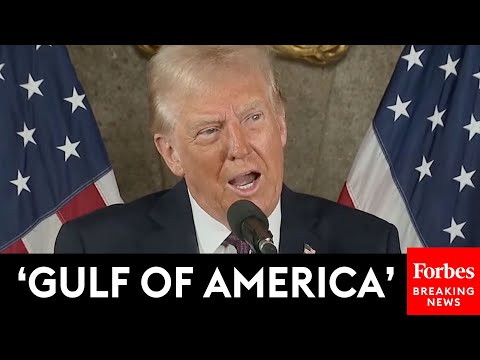
This bizarre renaming spectacle began Tuesday when Trump, during a rambling news conference at Mar-a-Lago, floated the idea of changing the name to “Gulf of America.” Within hours, Rep. Marjorie Taylor Greene (R-GA) vowed to introduce legislation to make it happen, and Mexican President Claudia Sheinbaum clapped back with a pointed history lesson.
At her own news conference Wednesday, Sheinbaum trolled Trump with a vintage map showing a time when much of the U.S. was called “Mexican America,” highlighting the absurdity of erasing historical ties.

“If we’re renaming things… this is the move,” Abbott declared in his post, sharing a map emblazoned with the words “Gulf of Texas.” He credited the Galveston property’s viral post for the idea, but critics were quick to note the broader implications of such a move.
Renaming a major geographical feature like the Gulf of Mexico isn’t just a matter of slapping a new name on a map. It’s a complex, diplomatic process involving proposals from governments, negotiations with bordering nations, and potential input from international bodies like the United Nations Group of Experts on Geographical Names (UNGEGN).
“The U.S. Board on Geographic Names can oversee changes within the U.S., but international acceptance and updates to maps and documents are necessary for widespread adoption,” KPRC-TV in Houston reported.
While Abbott’s and Trump’s proposals may play well with their bases, critics see this as yet another example of political theater over substance, using geographical symbolism to stoke nationalism. For many, the Gulf of Mexico’s name isn’t just a label—it’s a reminder of the intertwined histories and shared waters between nations. Changing that name would be more than an exercise in cartography; it would be a cultural and political statement that ignores history while pandering to ideological divides.