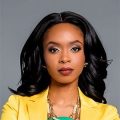
In the face of mounting challenges and the profound responsibility of acting as catalysts for bridging cultural divides, libraries stand at a critical juncture. Kimberly M. Gay, a distinguished faculty expert at Prairie View A&M, passionately advocates for the enduring significance of these bastions of knowledge, emphasizing their pivotal role in fostering cultural understanding, particularly among Black youth.
Motivated by her transformative work-study experience at the Blagg-Huey Library of Texas Woman’s University, Gay embarked on a career devoted to providing equitable access to information. Recognizing libraries as “great equalizers,” she champions their role in addressing digital and information divides and underscores their crucial contribution to nurturing multicultural awareness.
In an era where digital resources dominate, Gays believes that libraries’ cultural and community dimensions are sometimes undervalued. Shrinking budgets and technological revolutions pose challenges, yet she sees libraries as resilient spaces offering more than books and computers. They remain vital community and cultural centers where individuals come together to explore, interact, and imagine.
Gay emphasized a pressing issue—too often, American children are not exposed to materials reflecting their culture. As a librarian, she believes in the value of community services and libraries’ critical role in helping individuals collect, organize, and disseminate resources. The cultural offerings of libraries, ranging from art and literature to music, become even more crucial in the face of digital dominance.
The Defender spoke with Gay to hear her insights on libraries’ challenges navigating the digital age, their responsibility in bridging cultural divides, their role in political community life, and their unwavering commitment to fostering awareness and discourse.
Defender: Tell us a little more about yourself.
Kimberly Michelle Gay: I’ve worked at Prairie A&M University for almost 20 years. My main focus is the College of Agriculture, Food, and Natural Resources. This is my librarian area, specifically working with the College of Agriculture. The reason for this is because I grew up on a dairy farm. My grandfather had a dairy business for almost 50 years in Sulfur Springs, Texas, in Hopkins County, where he was the first African American dairy farmer. My mother and uncles came to Prairie View in the ‘50s and got degrees in agriculture, public speaking, nursing, and more. I have at least 37 family members connected to the school.
Defender: What makes it exciting to be on this campus in the current educational landscape with technology and banned books?
Gay: I come here as a librarian, and how do I captivate and make all of that happen? First, I’ll share that I continue to have a ferocious appetite for being an equal-opportunity librarian. I’m here to help organize, disseminate, collect information, and give it to the masses, letting them decide whether to continue reading or move something forward. I am involved with state and national library organizations. Regarding the freedom of reading, the idea is that you decide what your family reads. You don’t have the right to decide what everyone else reads. Everyone needs to be able to read independently and assess what books they want to ban for their family. Diversity and equity are still needed to survive because this is what America is made of.
Defender: Was being a librarian something you’ve always wanted to do?
Gay: Yes, Head of Reference and Information Services. I serve as a supervisor to almost six other professional librarians. This was not my calling; this was God’s calling. I have an undergraduate degree in broadcasting and journalism and another background in fashion merchandising and marketing. My mother was an avid reader, and because of the libraries at Prairie View, I became a ferocious reader. This journey to become a librarian is now my calling and what God has called me to do. I walk in it with grace and humbleness because I understand what he’s trying to promote and say, to be a beacon of literacy and cultural awareness through the role of librarians.
Defender: How do you see libraries playing a role in cultural awareness?
Gay: Libraries will always continue to promote cultural awareness. We are great equalizers, combating digital and information divides. Libraries help communities learn about their areas, fostering lifelong information literacy skills. Libraries with innovation labs contribute to technology imagination. Libraries are crucial in strategic research and promoting different environments. Even during the COVID pandemic, libraries remained open, providing access to students who lacked laptops and desktops. Libraries play a significant role in cultural awareness by addressing community needs and challenges.
Defender: What challenges do you see libraries facing these days?
Gay: The biggest challenge is staying new, fresh, and innovative. People claim physical libraries won’t exist, but librarians create and manage digital collections. Libraries remain relevant in the growing information age. Politics often impacts libraries, influencing access to information and literacy skills. There is a constant need for libraries to stay innovative and adapt to societal changes.
Defender: What programs or initiatives within libraries have successfully fostered literacy skills among diverse communities?
Gay: One successful program is the Human Library, where individuals can check out a human story. People on campuses who are ordinary but doing extraordinary things are available for an hour-long conversation. Libraries continue to adapt to the digital era by staying relevant and understanding community needs. Hosting events with influential figures like Common helps attract diverse audiences and promotes education.
Defender: How have libraries adapted to remain effective in fostering information literacy across demographics, especially in the digital era?
Gay: Libraries have embraced digital transformations to stay relevant. They continue organizing events like book tours and author talks, ensuring they meet the needs of diverse communities. During the COVID pandemic, libraries remained open, providing essential services for students lacking digital resources. Librarians remain committed to understanding and addressing community needs, fostering a better and informed society.
Defender: What message do you have for teachers, parents, and children to ensure cultural awareness and literacy skills?
Gay: Parents should make information accessible and encourage their children to grow through reading. Whether brick-and-mortar or digital, libraries foster technology, imagination, innovation, and transforming lives through learning. Teachers, parents, and children should embrace the power of knowledge and information, promoting lifelong learning and literacy skills.
Defender: What other message would you like to share with our Defender audience?
Gay: I encourage everyone to be a call for action and an advocate for understanding the empowering nature of knowledge and information. Being knowledge-bound with power helps individuals gain literacy skills and foster lifelong learning. Continue supporting and engaging with libraries as they promote cultural awareness and education.