Jordan J. Edwards remembers the exact moment his life changed. It was 2013, and at just 21 years old, he received the news that he was HIV-positive.
A wave of fear washed over him.
“It felt like I was in a movie, waiting for someone to yell ‘cut,’” he recalls.
He had dreams and aspirations—ones that he feared might be lost in an instant. More than the virus itself, it was the stigma that weighed on him, keeping him isolated and unsure of where to turn.
Now, 12 years later, Edwards is a long-term survivor and the deputy director at The Normal Anomaly Initiative, a Houston-based organization dedicated to empowering Black, queer individuals through education, advocacy and community support.

He is using his voice to shift the narrative about HIV in Houston’s Black community, where stigma and misinformation remain barriers to prevention and treatment 365 days a year.
HIV continues to disproportionately affect Black communities in Houston and across the country. According to the Houston Health Department, Black residents make up nearly half of new HIV diagnoses in the city, despite being only about 23% of the population. Black gay and bisexual men are at particularly high risk, as are Black women, who make up a growing percentage of new cases.
About 12% of Texans are Black, and in 2022, 38,547 Black persons had been diagnosed with HIV, accounting for more than one-third of all Texans living with the virus.
Addressing stigma
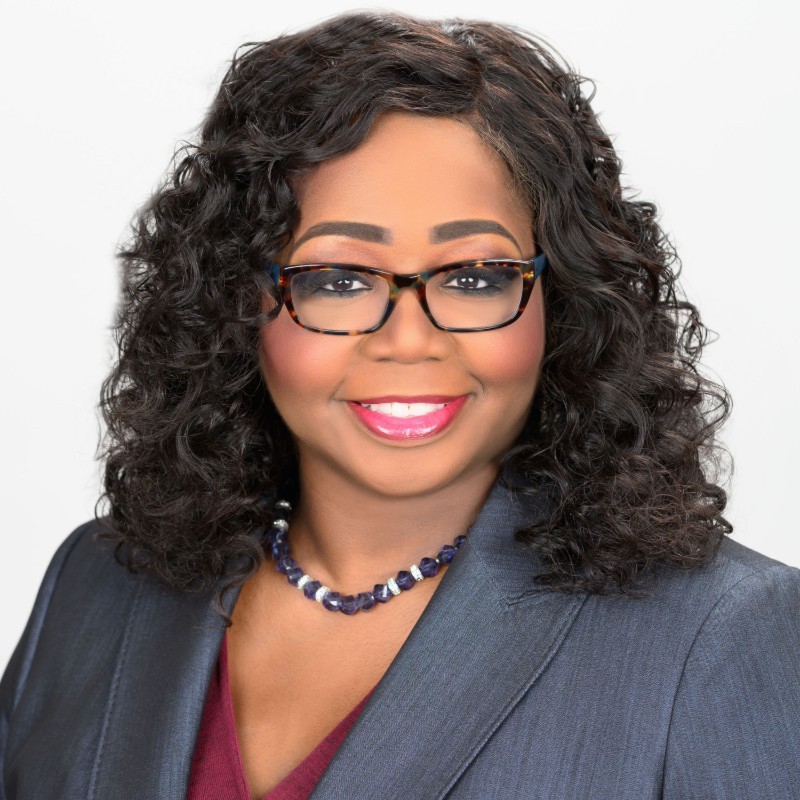
Marlene McNeese, deputy assistant director at the Houston Health Department, says HIV is not limited to one group. If people are sexually active, they can acquire HIV. The goal is to work against misinformation and ensure people understand their risk and the importance of testing.
“Many people still believe that HIV is a death sentence or that it only impacts certain communities,” she says. “The truth is, HIV is manageable with proper treatment, and there are prevention tools like PrEP (Pre-exposure Prophylaxis) that can significantly reduce the risk of transmission.”
Despite advancements in medicine, barriers to care persist.
“Many people don’t realize that there are affordable, even free, services available for testing and treatment,” McNeese says. “We work closely with community organizations to ensure these services reach those most in need.”
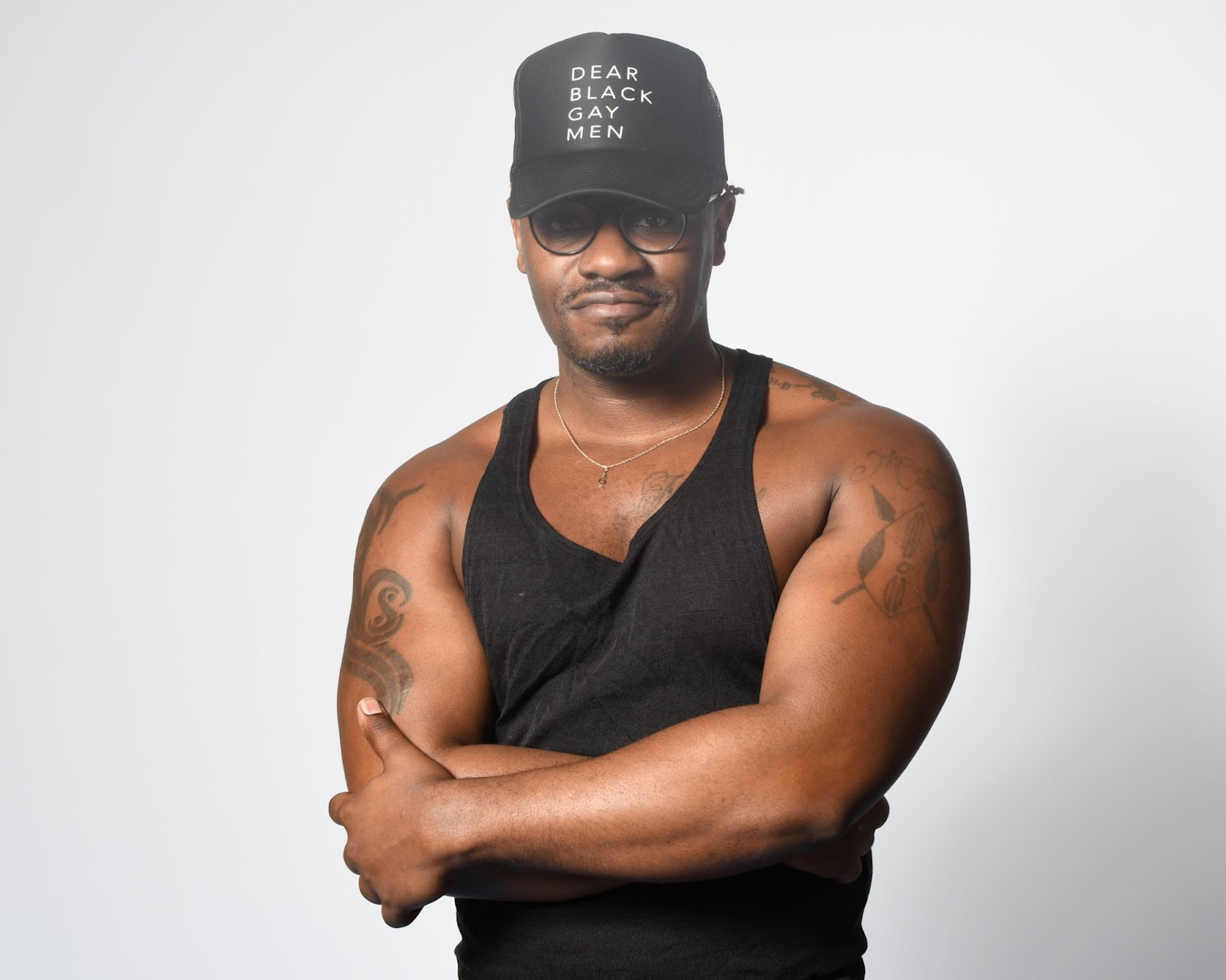
Jai the Gentleman, host of the Dear Black Gay Men podcast, has a similar mission, but his journey to advocacy started in an unexpected way. What began as a podcast to share dating experiences among Black gay men quickly transformed into a platform for deeper discussions about identity, relationships, and health.
“The first episode of my podcast was because I got stood up for a date,” Jai says. “I just wanted to talk to Black men like me about dating, but the conversations naturally shifted over time. People started opening up about their struggles, including HIV.”
Through his podcast, Jai discovered a glaring issue: a lack of accessible, and relatable conversations about HIV within the Black gay community.
“I realized that many Black gay men either didn’t know enough about HIV or believed that it was an inevitable part of being a sexually active Black man,” he says. “That’s the mindset I’m working to change.”
Jai also says the cultural and societal pressures that fuel stigma. For a lot of Black men, masculinity is tied to how we are perceived in our communities.
“If you even bring up HIV, some people assume things about your sexuality, your worth, or even your value as a partner,” he says. “We have to break through that fear and have real conversations about health.”
Community-led solutions
Organizations like The Normal Anomaly Initiative are addressing these gaps. They provide free testing and advocate for policy changes that tackle social determinants of health, such as housing and food insecurity—factors that directly impact health outcomes.
The Houston Health Department’s Ryan White Program provides HIV-related services for low-income individuals, and the Legacy Community Health clinics offer inclusive care for LGBTQ+ individuals.
“Too often, people don’t even know what’s available to them,” said Jai. “I’ve had listeners react with shock when they learn about new HIV treatments or prevention options.”
Edwards stresses that reducing HIV rates is not just about medical advancements but also about community engagement.
“This isn’t just about sexual health. It’s about social health. It’s about feeling safe enough to seek help, about having stable housing and access to food. If someone is worried about their next meal, they’re not thinking about an HIV test.”
As part of their continued efforts, The Normal Anomaly Initiative is hosting the Black Queer AF Music Festival in May, celebrating Black queer artistry and resilience.
“When we have hope and joy, we make movement,” Edwards says. “We create spaces where people feel empowered and know they belong.”