Black women are the fastest-growing group of entrepreneurs in America.
They launch businesses at a rate higher than any other demographic group in the country, according to a 2026 Wells Fargo report. Yet, the numbers behind that headline tell a more complicated story, one of ambition running headlong into systemic barriers that have persisted for decades.
In Houston, a city whose Black business community is as vast and layered as the metropolis itself, a new generation of founders is pushing back by operating businesses and rewriting the ‘success mantra’.

Tamanisha Casey-Mayberry, a Houston-based CEO and financial expert, believes that entrepreneurship cannot be pursued alone and that Black women need to support one another to thrive. Casey-Mayberry designed the HerGov Summit in Houston for this specific purpose, a gathering that connects Black and minority women business owners with government contracting opportunities.
Women business owners account for less than 1% of contract opportunities, Casey-Mayberry said, while the government spends more than $700 billion annually on them.
“There was not enough information out there for women business owners to try to obtain these contracts,” she said. “It is important to connect business owners to government entities for them to talk about certifications, learn what they need in their business in order to get certified, but also learn about current contract opportunities. It might be something in their industry they know about, and they can bid on it and possibly win.”
Underlying issues
Casey-Mayberry, a federally certified minority- and woman-owned, disadvantaged business owner since 2017, says she has lost contracts in the wake of DEI (diversity, equity, and inclusion) rollbacks, although no official explanation was ever given.
“We as business owners need to find a way to fit our business and still go out for certifications. There are still contract opportunities. But we need to learn how to pivot our business so that we can still be skilled.”
Tamanisha Casey-Mayberry, Houston-based CEO and financial expert
“They don’t have to tell you why,” she said. “I just assumed that that’s what [DEI rollback] was because it is a group of women business owners who are dealing with the same thing. They don’t say it. But if we’re still doing the work, we’ve done the work, and the contract is still continuing, they’re kicking certain people off of it.”
Federal policies have created a ripple effect that many Black women business owners in Houston are still absorbing. Texas’s HUB, the Historically Underutilized Business certification program, which has been a pathway for minority business owners to access state contracts, is now facing pressure to limit eligibility exclusively to veteran-owned businesses.
“That will dismantle business owners from getting those certifications and also contract opportunities,” Casey-Mayberry said. “We as business owners need to find a way to fit our business and still go out for certifications. There are still contract opportunities. But we need to learn how to pivot our business so that we can still be skilled.”
Houston’s infrastructure is there, if you know where to look
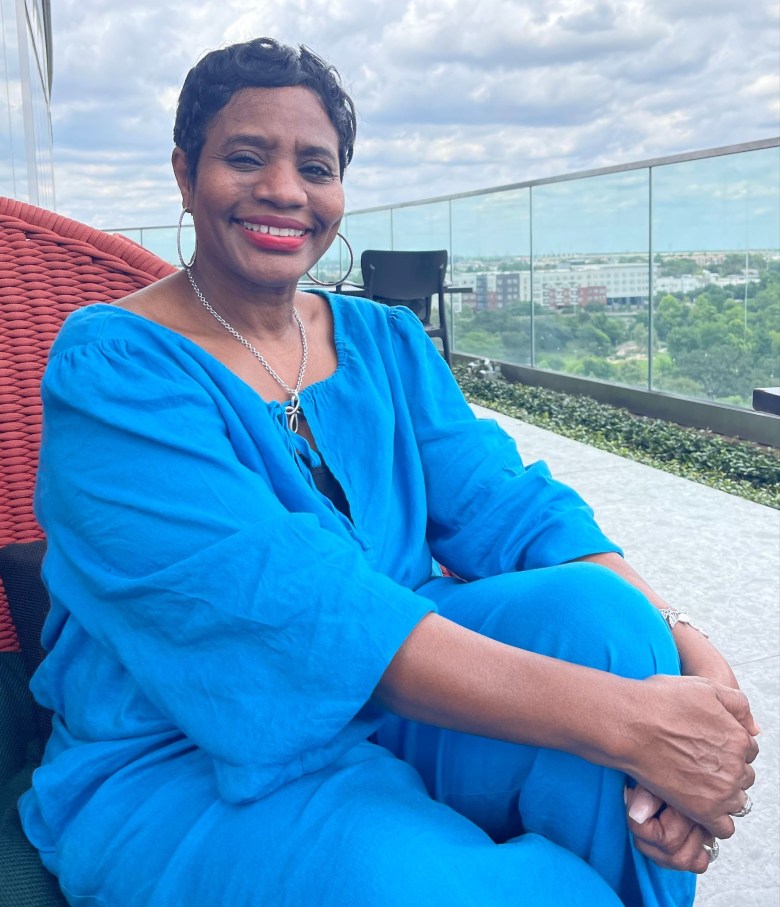
The good news, for those willing to navigate the landscape, is that Houston’s institutional infrastructure for small and minority-owned businesses is real.
Shurronda Murray, manager of business development and outreach at Houston Metro, has spent 37 years building that infrastructure from the inside. She discussed Houston Metro’s race- and gender-neutral small business enterprise program.
Murray said that METRO spent a significant percentage of its contract dollars to minority business owners in 2025, despite not having “that type of program,” referring to MWBEs.
According to B2G Now, METRO’s race-and gender-neutral Small Business Enterprise (SBE) Program achieved over 90% M/WBE participation on contracts with a Small Business (SB) goal. In fiscal year 2025, less than 1% of METRO’s prime contracts went to businesses identifying themselves as African American, per records obtained by the Defender.

Harris Health has seen similar gains. Tamala Austin, the agency’s business equity outreach manager, said that after launching their MWBE program, Harris Health increased its participation rate for small and minority-owned businesses from 0.09% in 2021 to 26.8%, awarding over $623 million to MWBEs over three years.
“Networking is how you build your network,” Austin said. “You’ve got to be in the room. You’ve got to be intentional.”
The capital problem
Access to capital remains a significant obstacle for Black women entrepreneurs, regardless of industry or business model.
Dr. Marieka Thomas, a hospitality strategist and organizational management expert, highlighted business strategy myths that prevent women from running businesses.
“It’s a mistake to think that you need your own personal money to start businesses,” Thomas said. “There are grants and many opportunities where people will give you access to funding and income so that you can start your business. But many of us think it relies on our own money. We take our own money and then might not make the smartest decisions ’cause we don’t know exactly what to do…You should always get your funding first.”
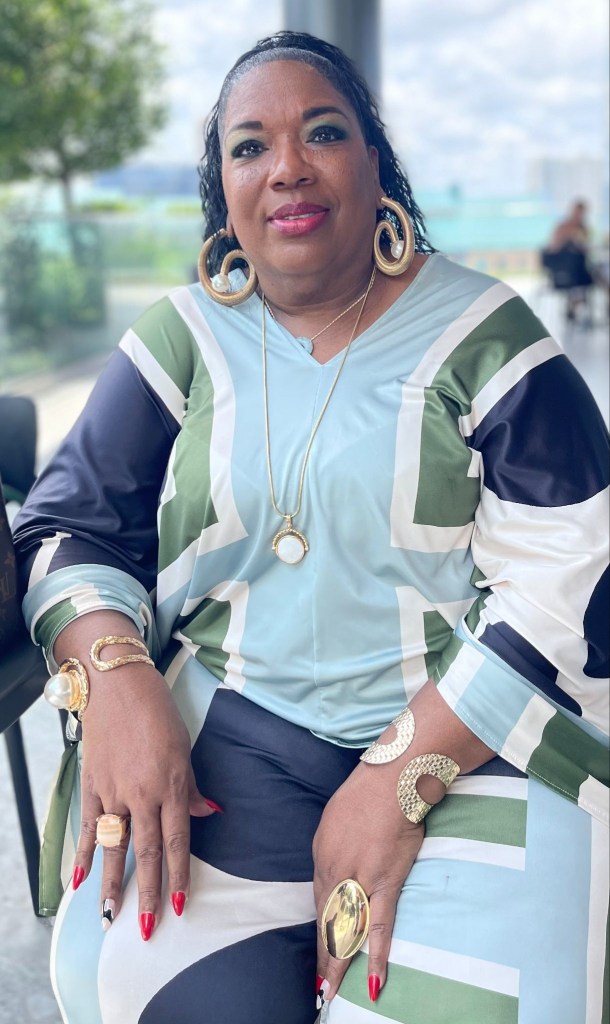
The cycle of spending personal savings, damaging credit, and then becoming ineligible for the very grants meant to help is also familiar to Debra Casey, who owns Casey’s Compassionate Care, a non-emergency medical transportation company she is working to revive after COVID-19 forced it to a halt.
Casey suggested being mindful of a business owner’s credit health.
“Because they do check credit, even if you’re going for a grant or a small business loan. And start small. Don’t bite off more than you can chew,” Casey advised.

The financial tightrope was also echoed by Joy Davenport, founder and CEO of the Davenport Foundation Foster Care and Adoption Agency, who described waiting eight months for her first government reimbursement after launching her business. She added that she had to self-finance almost $600,000 in that period.
“That can cripple you as a small business,” Davenport said.
Redefining what success looks like
Despite those structural pressures, some women entrepreneurs described a vision of success that goes well beyond revenue.

For Glenda Taylor, founder of Taylor Love & Care Disability Service, success looked like opening her own facility after working in foster care agencies. Taylor was driven by market opportunity and her daughter, who has an intellectual developmental disability.
“I wanted something different for her,” Taylor said.
Two years in, her business now serves 25 clients, taking them out into the community to build socialization and daily living skills.
“I never want my clients to feel like they can’t go out into the community and be normal,” she added.
Nicole Simmons, co-owner of Alijah House Children Services, which operates multiple residential care homes in Houston’s Acres Homes neighborhood for children in foster care, described her work as inherently compassionate. When a seven-year-old girl in her care was finally reunited with her mother in Amarillo after nearly a year at the facility, Simmons paid out of her own pocket for clothes, a bed, a dresser, and bedding, and had them shipped to the family.
“I didn’t have to,” Simmons said. “This is more than the government paying me to take care of these kids. This is a ministry for me.”
The autonomy advantage
Choosing entrepreneurship over traditional employment comes with its perks. A few businesswomen cited freedom as a major incentive.
“Having your own business, you’re able to write your own hours,” Casey said. “You could probably make more money than with corporate.”
But it is not so easy.
“Everybody doesn’t have the entrepreneurial spirit,” Davenport said. “People don’t realize that you actually work more, and it’s harder because we don’t clock in or out. There is no traditional 9-to-5. I tell people I work 25 hours a day and 72 hours a week.”