Monique Joseph faced a crisis that not only impacted her family’s stability but her mental and emotional well-being. Her husband had been falsely accused and convicted of a crime he did not commit.
With him locked up, and the couple’s children needing mom and dad, Joseph was left with the weighty responsibilities of two parents resting entirely on her shoulders. The pressure was taking its toll on Joseph’s wellness, but she couldn’t find support in her hour of greatest need. Not even the church offered her comfort.
Just the opposite.
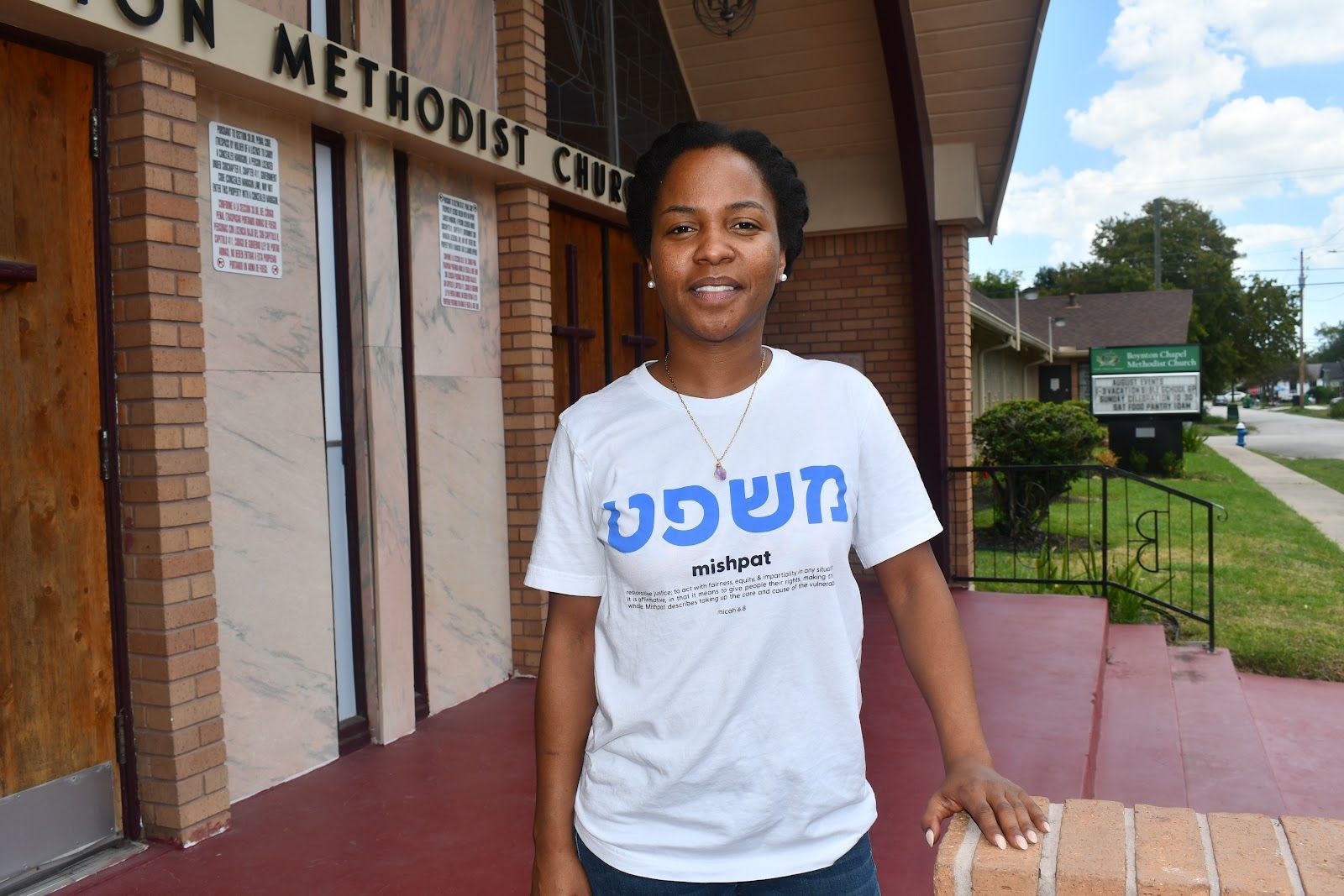
“I was stuck in my house, having severe mental health issues, dealing with the injustice I experienced because I felt like everywhere I went, I had to justify myself,” said Joseph. “Even in the church, some folks would hear that my ex-husband was accused, and they’d say, ‘Why would you marry someone like that?’”
Luckily, Joseph found community in Restoring Justice (RJ), an organization for which she now serves as the Holistic Services Director. RJ’s work advocating for the rights of the incarcerated provided Joseph with a circle of individuals offering support, encouragement and a sounding board.
Joseph, along with friends from the Texas Organizing Project (TOP), moved to offer this community-based healing experience to the general public in the form of “Healing Circles.”
“Healing Circles provide an opportunity for folks from the community to come together and just talk with each other about collective struggle, collective survival, and how we use those things towards collective change,” she added.
Joseph further describes Community Healing Circles as spaces where people can collectively talk through ways they’re affected by unjust systems to find ways to release their stresses into constructive action to make changes so future generations don’t endure the same harms.
Community Utilizing Community
This concept of community as a space of healing is nothing new. In fact, it is as ancient as African people and is used by several local entities.
The Black Man Project (BMP), founded to deliver healing and mental health resources directly to communities, does so in part via monthly therapy sessions where Black men circle up and share.
“We provide safe spaces where we have a community of people,” said BPM founder Brian Ellison. “We have therapists on hand, where we are able to have dialogue and conversations around the things that we have to navigate on a day-to-day basis.”
Harris County Precinct One’s Senior Enrichment Program (SEP), the brainchild of County Commission Rodney Ellis, operates on this same principle of community healing. SEP affords seniors the opportunity to forge new relationships while collectively participating in enrichment programs, special events and day trips that promote physical, emotional, and social well-being.
Houston’s Citywide Kwanzaa celebration operates on this same principle – the power of community. Instead of each of these organizations/movements doing their own thing with their own crowds for Kwanzaa, they come together under the Operation Unity banner, combine their efforts and spheres of influence and celebrate the Kwanzaa principles together, displaying the first Kwanzaa principle, Umoja (Unity).
Next Up
Joseph, RJ and TOP are partnering with CLASS Bookstore (3803 Sampson St. C, 77004) to offer its latest Community Healing Circle on Saturday, Sept. 21, from 6 p.m. – 8 p.m.
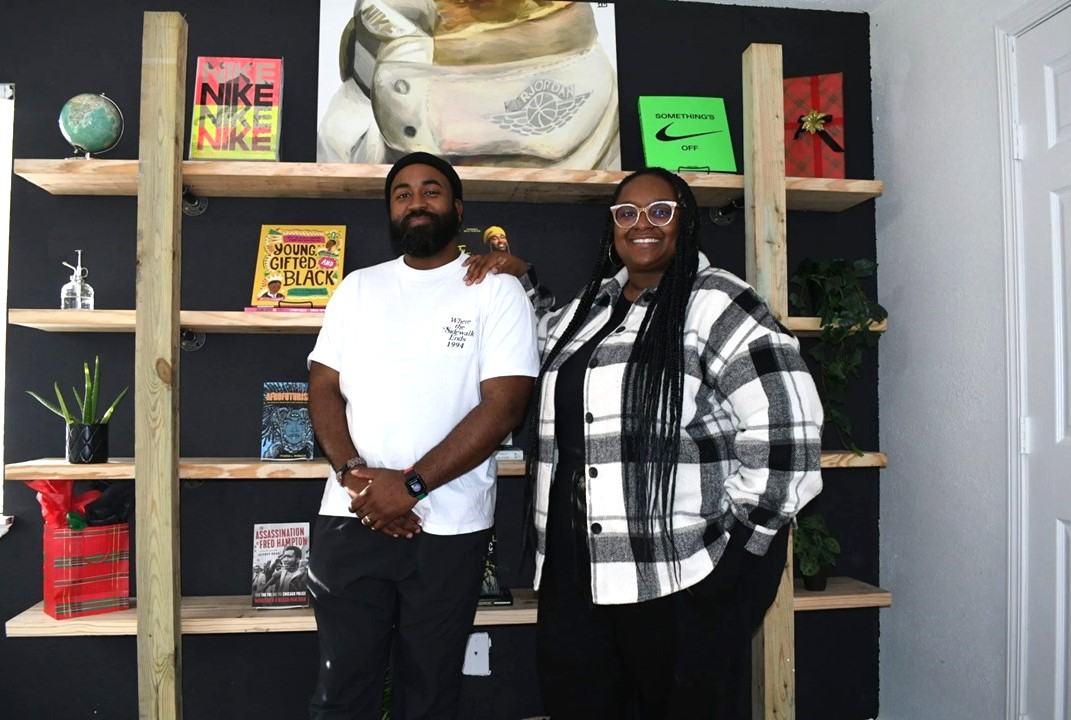
“Human nature, not just Black people’s nature, is social,” said David Landry, who co-owns CLASS Bookstore with his wife Dara. “So, when we come together, when we gather, we’re going back to our natural selves.”
Landry likens Community Healing Circles to many people’s willingness to regularly gather with members of their faith community, recognizing that no person is an island.
“Author Dr. Daniel Black wrote in his book ‘Black on Black,’ about people gathering, coming together and performing ritual. And the Community Healing Circle, it’s a ritual that should be performed as often as we can.”