Apparently, I write “Filth”
Texas Lt. Gov. Dan Patrick says he is on a mission to rid our public schools of what he calls “filthy, dirty, vulgar books.” Imagine my surprise when I learned that my debut novel, My Brother’s Keeper, is among the more than 2,000 titles on the list he recently promoted.
That is sooo crazy because I do not write filth.
My Brother’s Keeper explores addiction, family, faith, and the painful choices people make when someone they love is in trouble. Apparently, confronting real life now makes a book dangerous. The list also targets The Color Purple, The Kite Runner, The Handmaid’s Tale, and even Elie Wiesel’s Night, a landmark account of the Holocaust.
Patrick has warned school districts that he will push legislation to lower their state accountability rating by a full letter grade if they do not remove books deemed inappropriate. Think about that. Ratings intended to measure how well schools educate children could become a weapon used to enforce one group’s reading preferences.
Parents absolutely deserve a voice in what their own children read. What they should not have is the power to decide what every child may read. Books allow young people to encounter difficult truths safely, ask questions, and recognize themselves in stories. Calling every uncomfortable book “filth” does not protect children. It narrows their world—and punishes schools for refusing to help do it.
And hate lives on
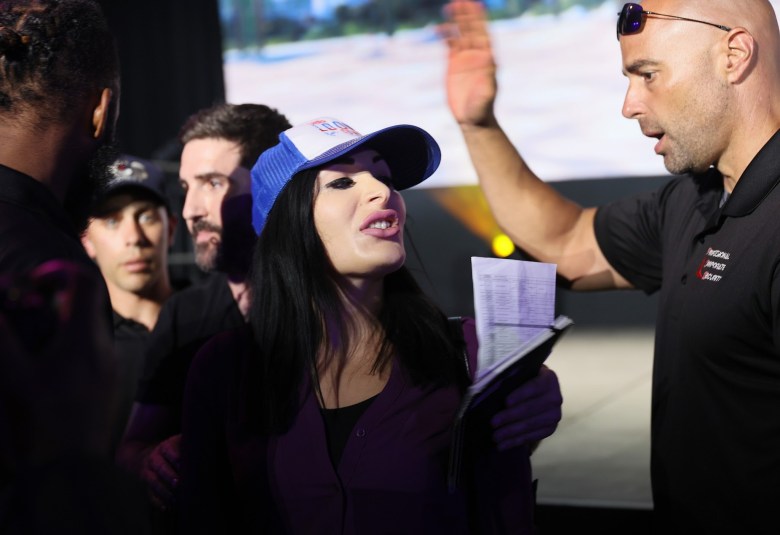
Some days, I wonder how far we have come. Then Laura Loomer opens her social media account.
The right-wing activist recently called Florida Democratic U.S. Senate nominee Angie Nixon a “ghetto Black communist b—-,” mocked her speech as “Ebonics,” and said she needed her “leash” tugged. When criticized, Loomer did not retreat. She doubled down and insisted she had simply “spoke the truth.”
No. She spoke racism.

Nixon says she has been called a dog, monkey, ape, and gorilla, and has received threats. She believes Donald Trump and other Republicans have helped create an environment in which this rhetoric is not tolerated but rewarded. Whether it comes from an elected official, a political operative, or someone with nearly 2 million followers, the message is the same: Black women who seek power should expect to be dehumanized.
I hate giving the 33-year-old Loomer attention. (Yes, she’s 33. Where is Jasmine Crockett with a good “bleach-blonde, bad-built” comeback when you need her?) But after the laugh comes the truth: Ignoring hateful rhetoric is part of how we got here. Silence does not starve racism; too often, it gives racism room to spread. We must call these attacks what they are, demand consequences, and hold accountable not only the people who say such things, but also those who amplify, excuse, and politically benefit from them.
Hate survives when decent people decide it is easier to scroll past.
Black representation is more than a face

And once again, we have another indication of why Black representation matters, especially in the rooms where advertisements are conceived, approved, and released.
Mielle Organics, a Black-founded hair-care brand that was bought out in January 2023 by Procter & Gamble, grew because Black women trusted it. Recently, the company faced backlash over a Rosemary Mint ad. On the “before” side, a Black woman’s full, less-defined Afro was labeled “weak & dull.” On the “after” side, her hair appeared shinier and more defined beneath the words “shiny & strong.”
Technically, the ad never said kinky hair was ugly. It did not have to. Black women know the visual language. For generations, we have been told that looser curls, straighter styles, and hair that appears more “manageable” are prettier, more professional, and more acceptable. When a full Afro becomes the problem to be fixed, that history walks into the frame.
After swift viral backlash, Mielle apologized, saying both textures are beautiful and acknowledging that the messaging had already been rejected internally before the ad was somehow published anyway. That detail may be the most troubling part. Someone recognized the problem, yet the safeguards still failed.
Representation is not simply placing a Black face in front of a camera or attaching cultural credibility to a brand. It means giving Black people authority in the decision-making process — and listening when they raise concerns. If Black consumers built your brand, their beauty should never be used as the undesirable “before,” no matter how much you spent in taking over the business.