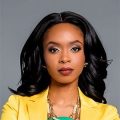
Acynthia Villery stands as the first African American female professional rodeo announcer with the Bill Pickett Invitational Rodeo.
But long before she made history behind the mic, she was a little girl in Beaumont riding from backyard rodeos to trail rides across Southeast Texas, absorbing a culture that shaped her identity.

A third-generation rodeo woman, Villery grew up watching her grandfather and two uncles compete and organize. Two of them helped establish one of the first all-Black rodeo associations. Another uncle worked as a rodeo secretary and announcer, roles she would later hold herself.
“I was going to rodeos in my mother’s womb,” she said. “This is in my blood.”
Her earliest memories are of informal rodeos held on family land, where spectators sat on truck beds if there were no bleachers. Those gatherings were proof of a Black Western tradition often erased from mainstream history.
Villery began traveling with the Bill Pickett Invitational Rodeo in the late 1980s. Nearly 39 years later, she remains one of its most recognizable voices. But her path to the announcer’s stand was not immediate. For almost 30 years, she worked behind the scenes as a rodeo secretary, managing prize money, standings, and competitor records.
Those years built the foundation for the voice audiences now hear.

“To be a great announcer, you have to know the stats. You have to know the contestants. You need to understand their stories.”
– Acynthia Villery
Valeria Howard-Cunningham, CEO of the Bill Pickett Invitational Rodeo, said Villery’s leadership was evident early on. Her late husband, rodeo founder Lu Vason, first brought Villery into the fold.
“He loved her spirit and her passion,” Howard-Cunningham said. “She wanted to learn. She wanted to get involved. And she wasn’t a person to take no.”
Villery served as Vason’s personal secretary, office manager, and coordinator. Howard-Cunningham described her as a trusted problem solver, someone who stepped up when sponsorship presentations and public-facing opportunities arose.
When the idea of her attending announcer school surfaced, Howard-Cunningham encouraged it.
“She would be very good at it,” she recalled telling Villery.
She was right.
Now co-announcing alongside veteran Marcus Friday, Villery has steadily expanded her role. Last year, she solo-announced a youth rodeo, a moment Howard-Cunningham said signaled the next chapter.
“Being first is something nobody can take away from you,” Howard-Cunningham said. “She has made history.”
Professional rodeo announcing remains white male-dominated. While women may commentate on specific events, few announce full professional rodeos. Villery’s goal is to change that.
“My goal is to break the glass ceiling,” she said. “Somebody has to step out and say it can be done.”
She is currently pursuing her card with the Professional Rodeo Cowboys Association, widely regarded as the highest credential in the sport. The rigorous process includes recommendations, live evaluations, and multiple approved rodeos before full membership is granted. Only two African American men currently hold that distinction. No Black women do.
“One in four cowboys were Black,” she said. “But when you look at Hollywood, they didn’t write us into the scripts.”
She frequently references figures such as Bass Reeves, the formerly enslaved lawman believed to have inspired the Lone Ranger. Educating audiences about those legacies is just as important as calling the next bull ride.
In addition to announcing, Villery manages the rodeo’s social media platforms, highlighting past champions and sharing Black Western history. She is also developing a podcast and book to document stories she believes must be preserved.
“We were Black cowboys before it became trendy,” she said. “I don’t want people to just come. I need them to pay attention.”