For decades, Black Houstonians have voted, marched, organized, and made their voices heard, yet many still feel locked out of the decisions that shape their neighborhoods, schools, and city hall.
With midterms six weeks away, that gap between being seen and being in control is at the center of a new national conversation.
Rashad Robinson, who spent 13 years leading the racial justice organization Color Of Change, argues in his new book From Presence to Power: How to Take On the Fights That Matter and Win, that visibility and power are not the same thing, and Houston is one of the clearest examples of why.
“In this age of social media and representation, where we can think that a seat at the table means that we’ve actually made change, we can sometimes be tricked into thinking that presence and visibility are actually power,” Robinson said in an interview with the Defender Network. “Power is the ability to change the rules.”

Robinson said that confusion, accepting a shoutout from a stage, a seat at a table, or a follower count as a substitute for real influence, is part of why movements for racial justice keep losing ground even after moments of massive visibility. He points to Hurricane Katrina, which sent more than 200,000 evacuees to Houston and left roughly 40,000 of them as permanent residents, as the starting point of his book and of what he calls the modern civil rights movement.
Robinson recalled Black residents stranded on rooftops “begging for the government to do something and left to die,” even as the moment produced viral outrage, including Kanye West’s on-air declaration that George Bush did not care about Black people.
“You don’t get any clearer sort of visual about what it looks like to not have power,” said Robinson, adding that the outrage never translated into lasting change and pointing to the privatization of New Orleans infrastructure that followed.
He draws a similar line to 2020, when corporations posted black squares on social media without changing policies, followed by a broader rollback of diversity, equity, and inclusion programs in the years since.
Robinson’s book is organized into three sections. Understanding power, building power, and the practice of power, interspersed with nine written exercises meant to help readers take stock of the influence and networks they already have.
“Each and every one of us can do battle in the places that we stand,” he said. “Each and every one of us is part of communities, is part of networks, is connected to schools, is connected to community groups, and that is where we start. That is where we engage. That is where we build.”
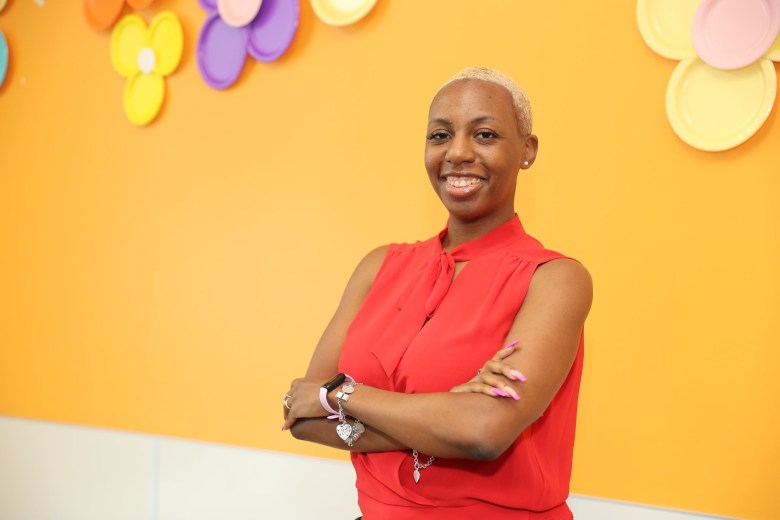
Houston civic leader Tanisha Manning, founder and executive director of the Houston-based nonprofit Engaged Voters, says she sees that exact gap play out locally. Manning, a Tulane University Law School graduate, launched Engaged Voters from her phone in 2020 after watching young voters get blamed for low turnout without being taught what was actually on the ballot.
“Because we can be present in many ways digitally, it’s so easy to be present,” Manning said. “We are associating that with power. Presence is power in awareness, but it doesn’t always mean power in decision-making.”
Manning said voting itself is a form of power, but it stops there unless residents follow up. Real power comes from what happens next. Showing up to city council and school board meetings, subscribing to elected officials’ newsletters, and requesting meetings with their staff.
“Presence is power in awareness, but it doesn’t always mean power in decision-making.”
Tanisha Manning, Founder, Engaged Voters
“Start being comfortable with being present in those environments,” Manning said, noting that many residents stay away because they don’t understand government terminology. “You don’t always have to attack. You can literally have conversations.”
Robinson believes the goal is bigger than one election cycle.
“All of us, every last one of us, will probably have a moment where we look back five and 15 years from now and we will each have a story about what we did,” he said. “My hope is that this book helps more of us be the protagonist, the person who showed up and fought the good fight and helped us win more things.”