As someone who went to a PWI (Hook ’em Horns!), I know I technically don’t get to claim the full HBCU experience. But my children went to HBCUs. My money went to HBCUs. And now I’m in graduate school at an HBCU myself. So at this point, I feel qualified to speak on a few things.
HBCUs aren’t simply colleges. They are communities with their own traditions, language, rules, and experiences that can be difficult to explain to anyone who hasn’t lived them.
Some things just make sense when you’ve been there.
1. “The Yard” requires no further explanation

Nobody has to ask, “Which yard?” The Yard.
It’s where you meet your friends, see who’s outside, find out what’s happening, and occasionally spend considerably more time than you should when you have a paper due at midnight.
2. Homecoming is not a football game

Please don’t disrespect it like that. Homecoming is a family reunion, fashion show, Greek reunion, concert, tailgate, networking event, cookout, and class reunion that happens to have a football game somewhere in the middle.
People book flights months in advance. Outfits are planned. Group chats are activated. And alumni who haven’t set foot on campus in 15 years suddenly know exactly where everybody needs to meet. And PWI attendees like me, take late night road trips seven-deep in the car just to be in attendance.
3. The band can win even when the football team doesn’t
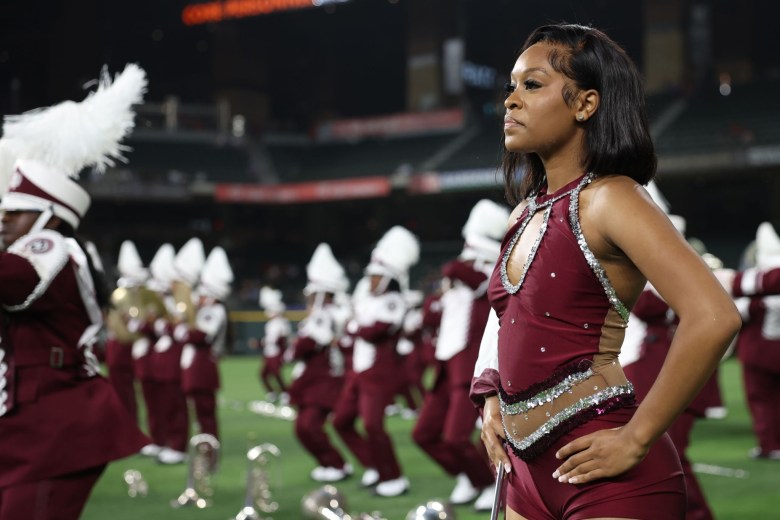
The scoreboard says one thing. The stands say another. Because at an HBCU, halftime can become the main event. When the band enters the stadium, some people suddenly remember they came to a football game.
And yes, people will debate who won the halftime battle long after they’ve forgotten the final score.
4. You understand the importance of “the administration building”

There are forms. There are signatures. There are offices that send you to other offices, which occasionally send you back to the first office.
You may begin your journey as a hopeful 19-year-old and emerge as a 43-year-old with three children and a mortgage. But eventually, somebody is going to stamp that paper.
5. Registration can test your relationship with God

The class you need is full. The class that isn’t full conflicts with the other class you need. Your advisor says one thing. The system says another. And NOBODY answers the doggone phone.
And somehow you are expected to solve this puzzle before somebody else takes the last seat. May the odds be ever in your favor.
6. You learn that “professional attire” means PROFESSIONAL attire
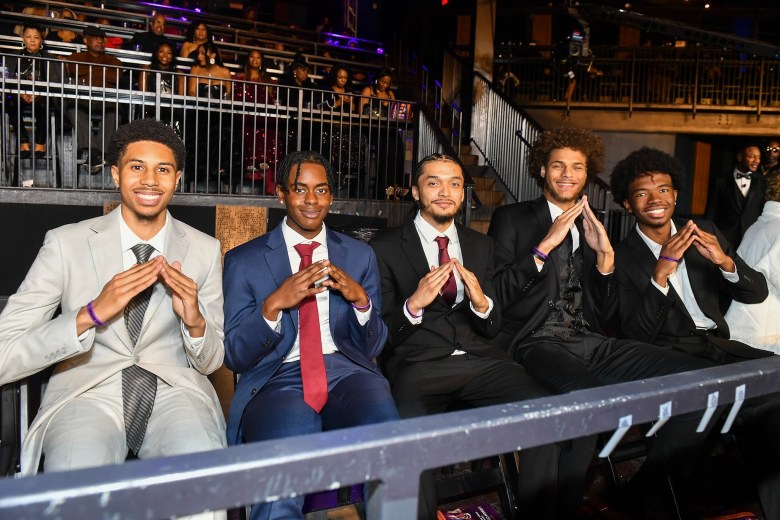
Career fair? Presentation? Guest speaker?
There is always somebody on campus who looks like they’re headed directly from class to close a multimillion-dollar deal. HBCUs have been preparing Black students to walk into spaces where they may be underestimated for generations. Looking the part has long been part of the lesson.
7. Your professors may become part of your life

At many HBCUs, professors don’t simply know your name. They know when you haven’t been to class. They know when something is wrong. They know what you’re capable of, which is especially inconvenient when you’re trying to give them less than your best.
Some will become mentors, references, and lifelong advocates. And some will tell you exactly what you need to hear, whether you asked or not.
8. You can talk bad about your HBCU, but outsiders should proceed carefully

Students can complain about financial aid. Alumni can complain about parking. Everybody can complain about registration. But let somebody who didn’t attend start talking about your school?
Now, hold on. That’s family business.
9. You understand what it feels like not to be “the only one”
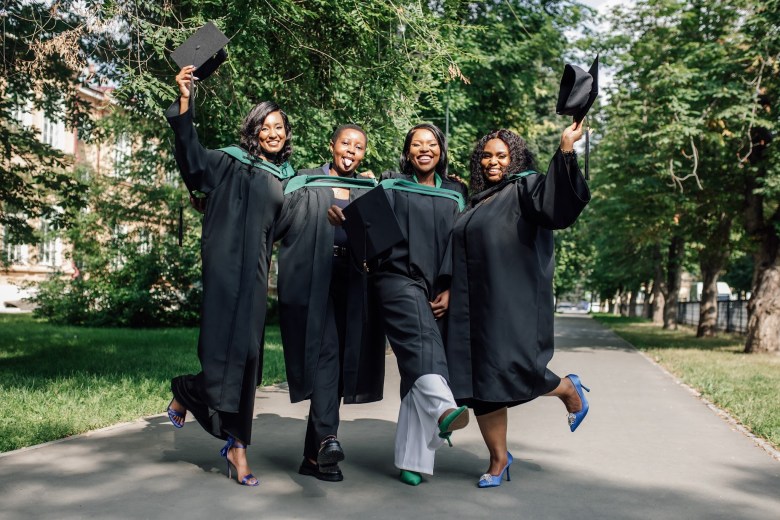
For many Black students, an HBCU may be the first place where they aren’t the only Black student in an honors class, lab, leadership position, or room full of high achievers.
You’re surrounded by future doctors, lawyers, engineers, teachers, filmmakers, entrepreneurs, and executives who look like you.
The question isn’t whether Black people can excel. Excellence is simply expected.
10. Your school’s history starts to feel personal

The buildings aren’t just buildings. Somebody organized there, protested there, broke a barrier there. Somebody who went on to change the world once sat in those classrooms, walked those sidewalks, and worried about passing a final just like you.
At an HBCU, history doesn’t always feel like something preserved behind glass. Sometimes you’re walking through it on your way to class.