Bonita Burkes’ caregiving has been a journey of love and sacrifice.
A Houston resident and devoted daughter, she has spent years caring for her mother, who suffers from Parkinson’s Disease and early-onset dementia.
“It becomes your whole life,” Burkes shared. “I was working full-time, going to school and raising my kids, all while managing my mom’s medications and doctor visits. There was no time for me. You lose yourself in the process.”
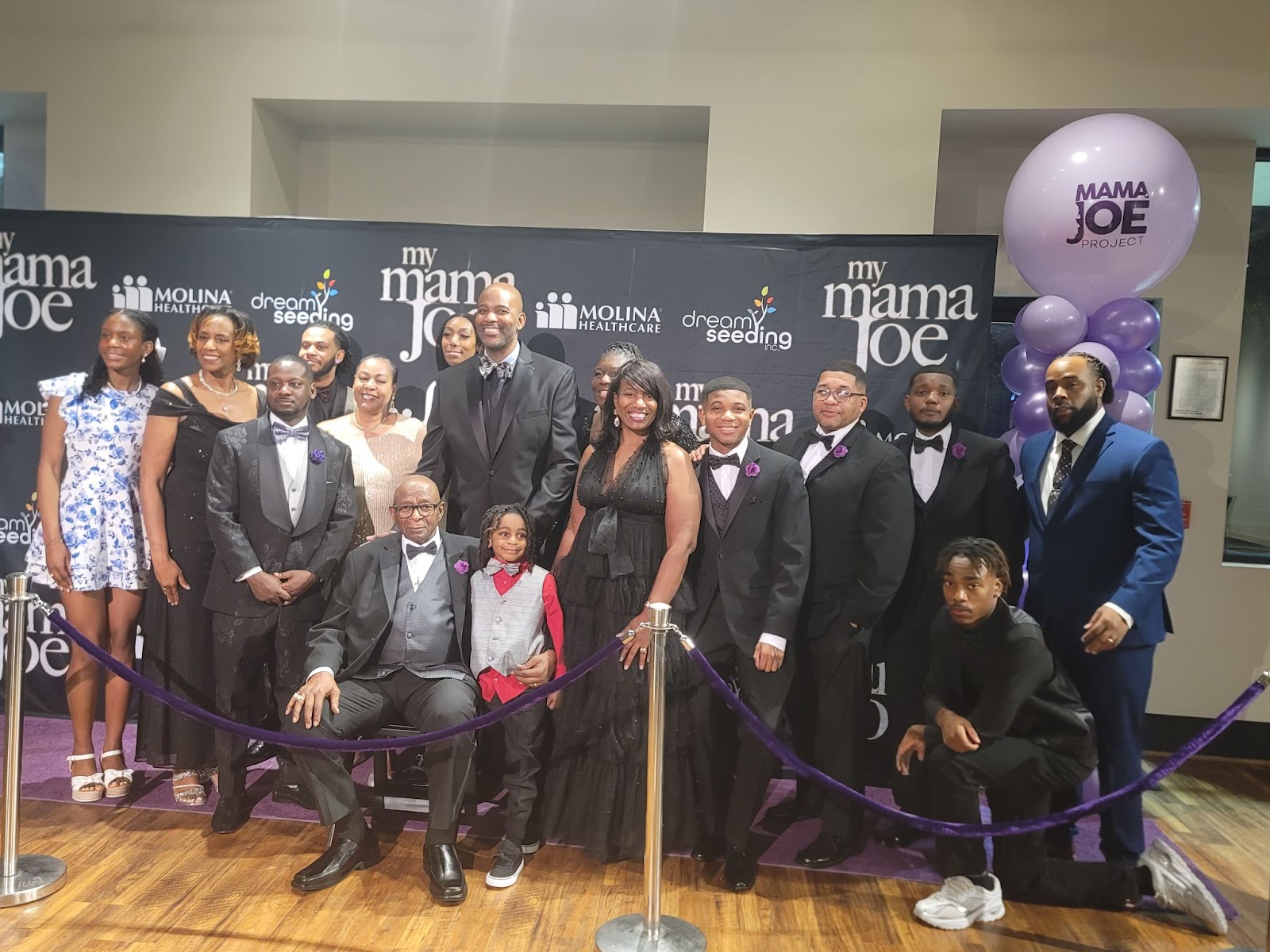
This unfiltered reality of caregiving—the emotional, physical, and mental toll it takes—was the focus of “My Mama Joe, Hope & Help,” a documentary that premiered at Houston’s historic DeLuxe Theater. The film amplifies the voices of caregivers, shining a light on their challenges, resilience and need for community support.

“Caregivers give everything they have, but society rarely acknowledges their sacrifices,” said Herb Caldwell, the Mama Joe Project lead. “This film is a love letter to them, a way to validate their experiences and call for systemic change.”
He has dedicated himself to addressing the disparities in health and caregiving, especially for families dealing with Alzheimer’s and dementia. The project is named after his mother, JoeAnna “Mama Joe” Caldwell, a longtime Houston resident and central figure of a documentary shedding light on her diagnosis of Alzheimer’s Disease and the caregiving challenges in Black and Brown communities.
The documentary doesn’t shy away from these raw truths. It interweaves personal accounts from caregivers with expert insights, highlighting issues such as financial strain, emotional burnout and systemic neglect in healthcare.
“My parents have been caregivers for a very long time,” said Dr. Joyee Washington, a community-engaged research consultant and public health professional. “I watched them take care of my grandparents and other relatives, bringing them into our home. For me, caregiving felt like an expectation—it was just what we did for our loved ones.”
According to an AARP/National Alliance for Caregiving May 2020 fact sheet on “The ‘Typical’ African American Caregiver,” based on research conducted for the Caregiving in the U.S. 2020 report, African Americans often have more burdensome caregiving situations than their non-Hispanic white or Asian caregiver counterparts
“Either you’re going to become a caregiver, or you’re going to be someone who has to be taken care of. It’s a circle of life,” said Washington. “And yet, Black families, particularly Black women, are at a higher risk for conditions like Alzheimer’s and often don’t get the care they need as early as they need it.”
The Mama Joe Project organized a Community Health & Wellness Fair, offering resources, wellness programs and educational panels. One standout session, “Bridging the Gap: Mama Joe’s Youth Caregiver Forum,” addressed the unique challenges younger caregivers face.
“My youngest nephew, for instance, never knew my mother in her prime. He had to juggle school, athletics, and grades while knowing there was an ill loved one at home,” Caldwell said. “Sometimes, children are asked to help with caregiving in ways that add pressure and stress. Their unique needs must also be addressed.”
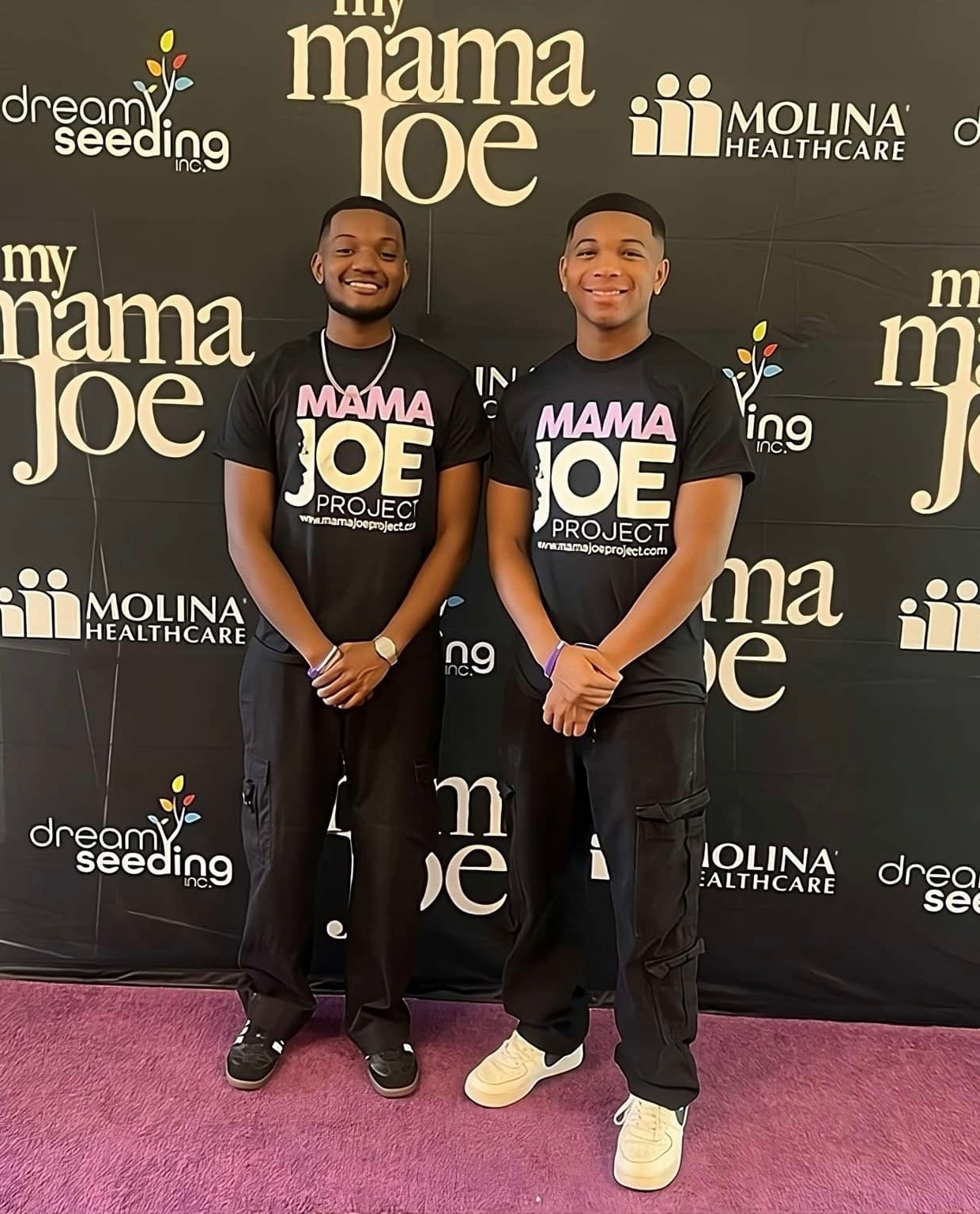
At just 19 and 15 years old, Mama Joe’s grandchildren, Noah and Jonah Oliver, have already shoulder responsibilities far beyond their years.
After her diagnosis, Mama Joe became bedridden after a series of strokes.
“Since we started taking care of her when I was in elementary school, I didn’t fully understand the gravity of the situation until later,” Jonah said. “Before her strokes, I would sit with her, watch Judge Judy and Netflix, make sure she ate and took her medicine.”
For Noah, the experience was different.
“I already had a relationship with her before her Alzheimer’s got worse,” he said. “By the time I was in seventh grade, I knew the seriousness of the situation. Even when she was argumentative, I just had to have empathy because she couldn’t control any of it.”
For the brothers, balancing school and caregiving was a struggle. Noah recalled the particularly difficult period during quarantine when both their grandmother and grandfather, who was on hospice care, were isolated at home.
“My mental health took a dip. I wasn’t submitting assignments and started lying about it, blaming technical issues. I definitely went through some form of depression,” he admitted. “It got better when I started talking to my family and building a support system.”
On the other hand, Jonah found that his demanding high school schedule made it difficult to keep up with his responsibilities and self-care.
“Between swim practice, band, and college-level classes, my schedule was packed,” he said. “I would spend time with my grandmother and sometimes forget to take care of myself. I’d forget my own medication and even homework at times.”
One of their biggest takeaways is the importance of self-care.
“You can’t properly take care of someone else if you’re not taking care of yourself first,” Noah said. “It’s a tough lesson but an important one.”
A study by researchers at the Bloomberg School estimates that millions of young Americans between the ages of 15 and 22 are providing essential care to adults.
“What we have found nowadays is that it’s not so much about what you know, but who you know and how to access information,” said Dr. Eujon Hughes, owner of Bridging The Gap Life Coaching and Transformation Academy, LLC. “Many young caregivers are thrown into these roles without knowing where to turn for help. Bridging the Gap ensures they aren’t left without support.”
Hughes partnered with the Oliver brothers to host the community forum and fair, providing a safe space for young people stepping up to care for aging family members suffering from chronic illnesses.
“We don’t have enough doctors, nurses, and mental health professionals who look like us, which makes many in our community hesitant to seek care. When our elders don’t trust the system, that responsibility often falls on young caregivers, who may not have the resources or knowledge to advocate for their loved ones effectively.”
For more information, visit: http://www.mamajoeproject.com/