When Beyoncé made history as the first Black woman to win Best Country Album at the Grammys in February, it was a win for everyone ever told they don’t belong in spaces their ancestors built.
The Cowboy Carter album was unapologetically southern, Black and brilliant. And just like clockwork, the backlash followed. I wasn’t surprised when, just a few months later, the Recording Academy changed the rules.

The Recording Academy introduced two new categories to the 2026 Grammy Awards. First are the Best Traditional Country Album and Best Album Cover categories, which were renamed the existing Best Contemporary Country Album category.
Some fans, however, speculate that Beyoncé’s victory may be linked to this decision.
Beyoncé entered a genre that has long defined itself by who it excludes. She created an album rooted in country music traditions, filtered through her lived experience as a Black southern woman. She honored the genre while simultaneously pushing it forward. And the Grammys rewarded her with a win that felt seismic, not just for Beehive fanatics, or Black country artists, but for culture as a whole.
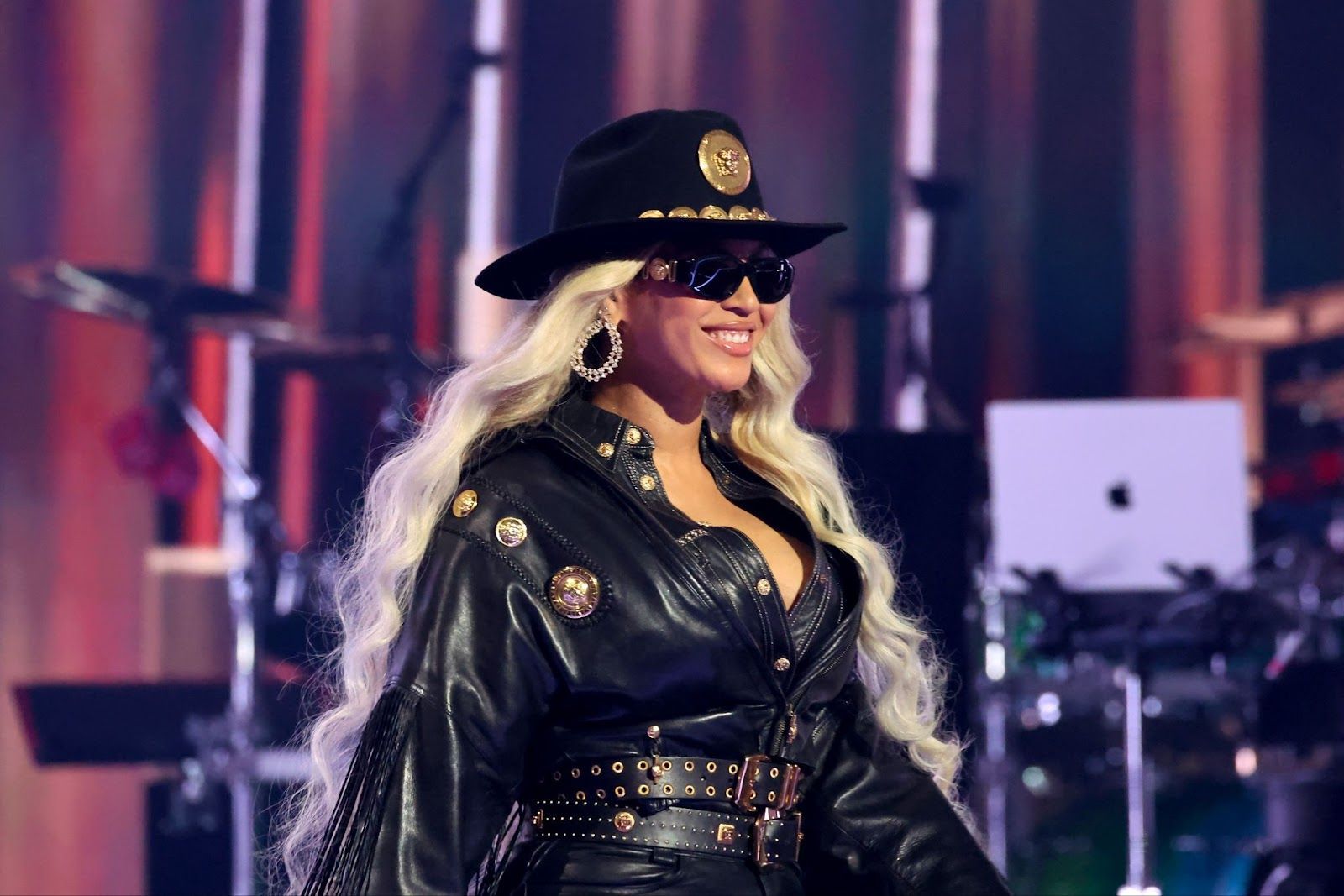
The Academy says this change is about representation. CEO Harvey Mason Jr. claims the goal is to better serve the music community. In a statement, he says, “That entails listening carefully to our members to make sure our rules and guidelines reflect today’s music and allow us to accurately recognize as many deserving creators as possible.”
He continues to say that each year, during its Awards & Nominations review, the organization aims to refine rules, identify outdated practices and ensure a meaningful celebration of the creative community.
From reading this, it sounds well-intentioned, but the timing was too coincidental because these changes could have been made well before Beyoncé won the award. Suddenly, there’s a distinction between “contemporary” and traditional country, with traditional defined by specific instruments and song structures, banjos, fiddles, acoustic guitar, etc.
Since the Grammys began in 1959, only two Black artists have been nominated for Best Country Album: Charley Pride and Mickey Guyton. Charley Pride was nominated multiple times and Mickey Guyton was the first Black woman to be nominated in the category. That is two people in 65 years. So forgive me if I’m skeptical that this change is really about inclusivity.
The Academy sees potential in having more categories to spotlight different styles. But many of us are wary. We’ve seen how these lines are drawn, who gets included and who gets dismissed.
Many critics online pointed out, too, that whenever Black artists make waves in “traditionally white spaces” (yes, I use these quotations loosely), institutions start drawing new lines. Beyoncé shared her experience about when her song Daddy Lessons was rejected by the country committee back in 2016, despite Beyoncé performing it with the Chicks at the CMAs.

This time, Cowboy Carter couldn’t be denied. It was bold, intentional and it disrupted the story country music has told about itself for decades.
On paper, this new category could mean more space for artists. In reality, many of us fear it will be a sorting mechanism. That “traditional” will become a euphemism for white. That “contemporary” will be seen as other, as not quite real country, as a box to place Black artists in, even if they’re working with the same instruments, same themes, same rhythms. Even though country music wouldn’t exist without Black people in the first place.
Country music is Black music—it always has been. The banjo has African roots, as do the storytelling, the blues influence, the vocal techniques and everything else. Beyoncé reclaimed the genre, just like she did with house music in the Renaissance, just like Black artists have done with rock, folk, punk and every other space we’ve been pushed out of.
This change is about who gets to be seen as “authentic.” The truth is, Beyoncé made one of the most “traditional” modern country albums we’ve heard in years, because she told her truth and isn’t making music to trend. And that’s what country music is supposed to be about. As far as I’m concerned, Beyoncé will be the last artist to win in this category before the divide. That’s history in itself, too.