There was a time when a whole city tuned into the same radio station, rented from the same video store, and argued over the same album drop. That shared experience is disappearing, and Houston’s Black Millennials and Gen Z say they’re growing up in two different cultural worlds because of it.
The death of monoculture is the shift from a shared, mass-media culture to fragmented microcultures. Millennials, born 1981-1996, are now 30 to 45, according to Pew Research Center. Gen Z, born 1997-2012, is 14 to 29. The generations are only a few years apart, but their formative technologies look nothing alike, and Houston creatives, media professionals, and community builders say the effects extend far beyond nostalgia.

Times of simplicity
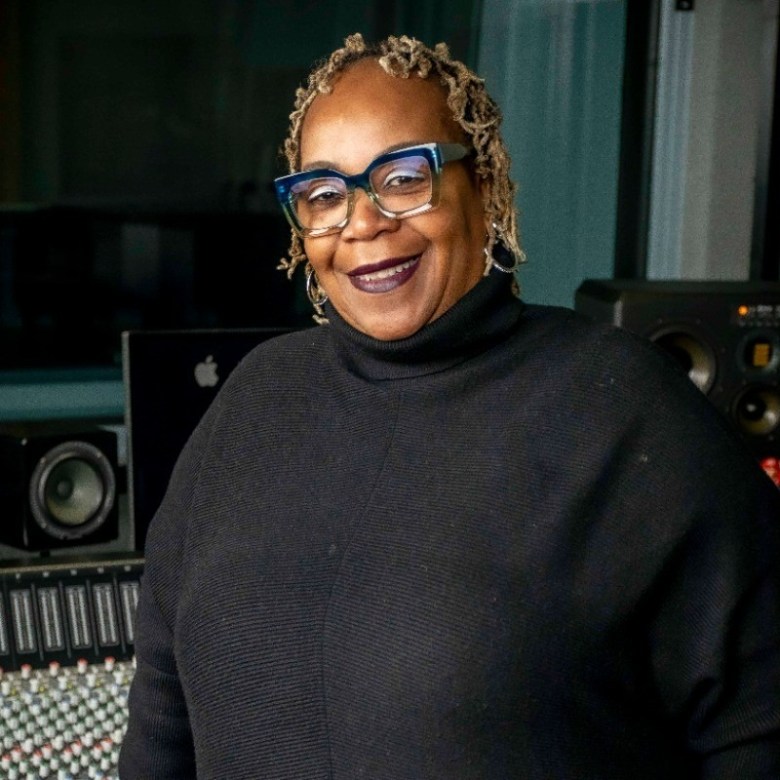
Before streaming fractured audiences into individual queues, many people built their calendars around shared broadcasts. Donna Franklin, program director and on-air host at KTSU 90.9 FM, Houston’s first African American-owned FM station and a Texas Southern University (TSU) fixture for more than 50 years, said appointment listening and viewing gave people a common reference point.
“We had a communal experience where one major thing would be happening, and everybody would be on that one major thing,” Franklin said. “Now these days, everybody just compartmentalizes, and they have their own individual experiences.”
Franklin, who also teaches at TSU, said she sees the disconnect firsthand with her students. “It’s not about connecting through technology, because you’re missing something,” she said. “The family dynamic is not what it used to be.”

Shavonia Lewis, co-founder of the Houston-based content platform Black Friends Forever, said the loss traces back to how her generation built friendships. Lewis, a Millennial born in 1988, said she and her peers spent most of the 1990s outdoors, at church functions, and at neighborhood cookouts, not behind a screen.
“You had best friends, and I think that’s why our platform is called Black Friends Forever,” Lewis said. “It’s like, can you really say you have friends, true friends? We built that community from church, from school. Now it’s almost all digital.”

Houston rapper Yung AL, who described his sound as caught between eras, said the shift reshaped how music spread. He recalled saving up as a middle schooler to buy hard copies of albums by 50 Cent and Lil’ Flip the day they dropped.
Yung AL said artist development, the slower work of networking and building relationships in person, has fallen out of style as social media reach takes its place.
“It doesn’t go like that,” he said of newer artists who think one viral clip makes them a rapper. “You actually have to get out there and network, rub shoulders with certain people. This is a 24-hour job.”
His own breakout, sparked by a freestyle that went viral, happened too fast for him to build an online following the way artists do today. He called today’s nonstop connectivity “a gift and a curse,” a way to reach fans worldwide, but also a tool some misuse.
“I wish we could go back to those times when albums dropped,” Yung AL said. “Because I remember being excited to actually go buy something.”
The algorithm takeover

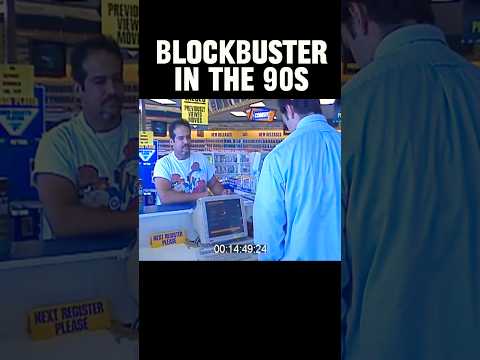
Streaming has now overtaken traditional television. It captured 48.2% of total U.S. TV viewing in the second quarter of 2026, more than broadcast and cable combined, according to Nielsen’s Ad Supported Gauge. BET’s “106 & Park,” once a daily gathering point for hip-hop and R&B fans after its 2000 launch, was canceled in 2014 after 14 years, as viewers stopped waiting for scheduled premieres. Blockbuster, which once operated more than 9,000 stores, has been reduced to a single location in Bend, Oregon.
“Technology isn’t the enemy, but it can’t replace presence. It depends on how you use it. The first step is choosing to show up in the same room again.”
Donna Franklin, program director and on-air host at KTSU 90.9 FM
Ja’Leah Davis, founder of Eyeconic Television and Eyeconic Studios, said she has watched younger audiences redefine fame itself. Davis, the youngest person in the country to own a television station, said she once burned CDs for classmates using LimeWire and misses the time when friendship carried its own social currency, similar to how MySpace’s “Top 8” feature once let users publicly rank their closest friends.
“For you to matter now, you have to be Instagram famous or a streamer,” Davis said. “I’ve had movie stars and Disney Channel actors at my events that kids don’t recognize, because they’re not streamers.” Still, Davis said she believes technology has opened doors her generation didn’t have, especially for entrepreneurs.
Rebuilding physical, communal spaces is just one example of the wishful thinking Franklin has for young people today. Simply getting people to unplug and get to know their neighbors again “could bring it back a little bit.”
“Technology isn’t the enemy, but it can’t replace presence. It depends on how you use it,” Franklin said. “The first step is choosing to show up in the same room again.”